Book Appointment Now
Understanding Benign Skin Growths: When to Be Concerned and When to Relax
The human skin is a complex canvas that changes over a lifetime. Among these changes, the appearance of lumps, bumps, and spots is almost inevitable. While our first instinct when noticing a new skin growth is often anxiety, the vast majority of these lesions are benign—meaning they are non-cancerous and do not pose a threat of spreading to other parts of the body.
However, distinguishing between a harmless growth and a potentially dangerous one requires knowledge. Understanding what benign growths are, why they appear, and when they warrant a visit to a dermatologist is essential for maintaining both skin health and peace of mind.
What Defines a “Benign” Growth?
A benign growth is a mass of cells that is not malignant. Unlike cancer cells, which aggressively invade surrounding tissues and have the potential to metastasize (spread through the bloodstream or lymph system), benign cells remain contained. They typically grow slowly and often have well-defined borders.
While benign growths do not threaten your systemic health, they can still be bothersome. They may be unsightly, prone to irritation from clothing, or simply a source of cosmetic concern.
Common Types of Benign Skin Growths
There is a wide array of benign lesions that dermatologists encounter daily. Being able to recognize them can help reduce unnecessary panic.
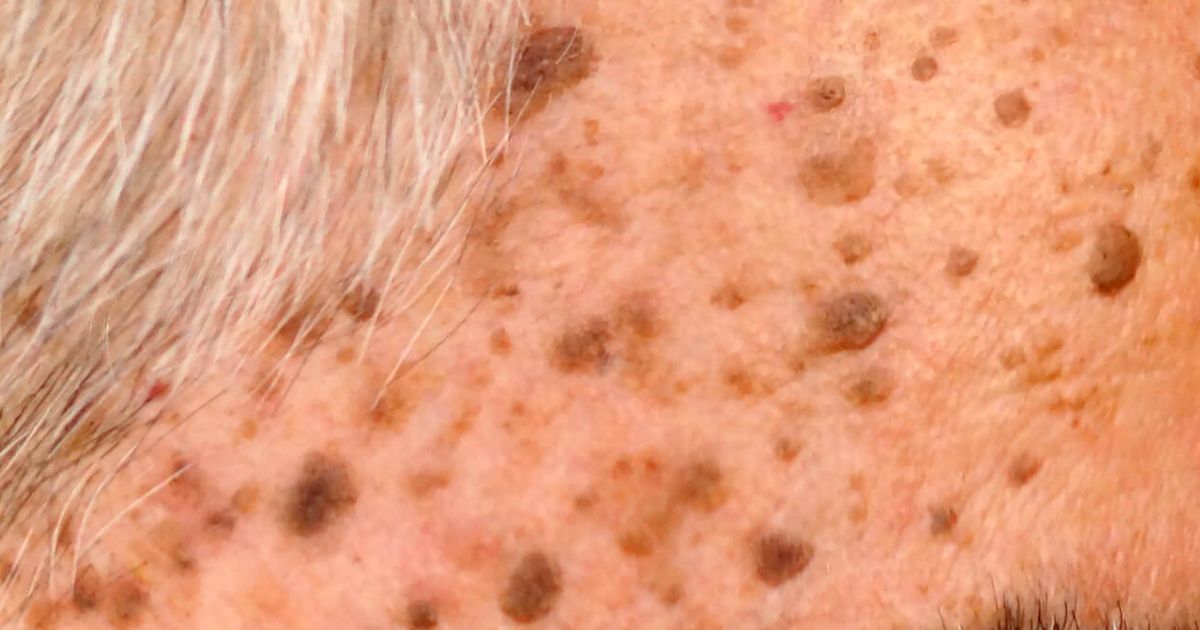
1. Seborrheic Keratoses
Often described as having a “stuck-on” appearance, these are among the most common non-cancerous skin growths in older adults. They can be tan, brown, or black, and they often have a waxy, scaly, or slightly raised texture. While they may resemble warts, they are not caused by a virus and are not contagious.
2. Skin Tags (Acrochordons)
These are tiny, soft, flesh-colored or slightly darker bits of tissue that hang off the skin by a thin stalk. They are most commonly found in areas of friction, such as the neck, armpits, eyelids, and groin. They are entirely harmless but can become irritated if they rub against jewelry or clothing.
3. Moles (Melanocytic Nevi)
Moles are clusters of pigmented cells. Almost everyone has them. Most moles appear during the first few decades of life. While the vast majority are benign, they require monitoring because a small percentage can evolve into melanoma. A stable, long-standing mole is rarely cause for concern.
4. Lipomas
A lipoma is a slow-growing, fatty lump that is situated between your skin and the underlying muscle layer. They feel doughy or rubbery to the touch and move slightly when you press on them. They are generally painless unless they grow large enough to press on nearby nerves.
5. Dermatofibromas
These are small, firm, reddish-brown bumps that often appear after a minor injury, such as a bug bite or a prick from a rose thorn. A classic sign of a dermatofibroma is the “dimple sign”—if you pinch the growth, it tends to dimple inward.
6. Epidermoid Cysts
These are small, hard bumps beneath the skin that contain keratin, a protein found in skin and nails. They are slow-growing and usually harmless. However, if they rupture or become infected, they can become red, swollen, and quite painful.
The “Why”: Why Do These Growths Form?
The causes of benign growths are as varied as the growths themselves:
- Aging: As we get older, our skin’s ability to repair and regulate cell growth changes, leading to an increase in lesions like seborrheic keratoses.
- Genetics: If your parents had many skin tags or moles, it is highly likely that you will, too.
- Sun Exposure: UV radiation causes cumulative damage to skin cells, which contributes to the development of many types of growths, both benign and malignant.
- Friction: The repetitive rubbing of skin against skin or skin against clothing is a primary trigger for the formation of skin tags.
- Inflammation: Some benign growths are the skin’s way of responding to minor, long-forgotten trauma or inflammation.
When Should You Worry? (The ABCDEs of Moles)
While benign growths are generally safe, you should always monitor your skin. If you notice a new or changing lesion, apply the ABCDE rule (primarily for moles) to determine if it needs a professional check-up:
- A – Asymmetry: One half of the growth does not match the other.
- B – Border: The edges are irregular, ragged, notched, or blurred.
- C – Color: The color is not the same all over and may include shades of brown, black, tan, red, white, or blue.
- D – Diameter: The spot is larger than 6 millimeters across (about the size of a pencil eraser).
- E – Evolving: The mole is changing in size, shape, or color, or if it begins to bleed, itch, or crust.
Beyond the ABCDEs, any growth that appears suddenly in adulthood, grows rapidly, or fails to heal after several weeks should be evaluated by a medical professional.
Management and Removal
Most benign growths do not require treatment. However, if a growth is painful, gets caught on clothing, or is cosmetically bothersome, removal is an option.
- Cryotherapy: Using liquid nitrogen to freeze and destroy the growth.
- Electrosurgery: Using an electric current to burn off the lesion.
- Excision: Surgically cutting out the growth (often used for cysts or lipomas).
- Shave Removal: Using a sterile blade to shave off surface-level growths like skin tags or seborrheic keratoses.
Crucially, you should never attempt to “remove” a skin growth at home. Trying to cut, burn, or treat a lesion with over-the-counter chemicals without a diagnosis can lead to severe infection, scarring, and the potential masking of a skin cancer that requires professional treatment.
Conclusion
Benign skin growths are a natural part of the human experience. They are, in most cases, simply evidence of a life lived and skin that has been exposed to the elements over time. While they are usually nothing more than a cosmetic annoyance, the key to your health is vigilance.
Become familiar with your skin. If you notice something that seems out of place or is changing, do not speculate—schedule a professional skin examination with a board-certified dermatologist. A simple 10-minute check-up can provide the certainty you need to go about your life with total peace of mind.
Disclaimer: This article is for educational purposes only and does not constitute medical advice, diagnosis, or treatment. Always seek the advice of a qualified healthcare provider regarding any suspicious skin lesion.

Dr. S. N. Gupta is a renowned skin specialist and dermatologist in Prayagraj, with extensive experience in diagnosing and treating various skin, hair, nail and Sexually Transmitted Diseases conditions for last 28 years. Address Shree Balaji Medical Traffic Chauraha, Rajapur Prayagraj Mob 9415613743