Book Appointment Now
Milia: Understanding, Treating, and Preventing -Dr S.N.Gupta
If you’ve noticed tiny, pearl-like white bumps on your face—especially around the eyes, cheeks, or nose—you might be dealing with milia. These harmless cysts affect people of all ages, from newborns to adults, and while they’re not dangerous, they can be frustrating from a cosmetic standpoint. Unlike acne, milia don’t involve oil or bacteria, which means typical acne treatments often don’t work. This article dives deep into everything you need to know about milia: what causes them, how to identify different types, effective treatment options (both professional and at-home), prevention strategies, and how to distinguish milia from similar-looking skin conditions.
What Are Milia?
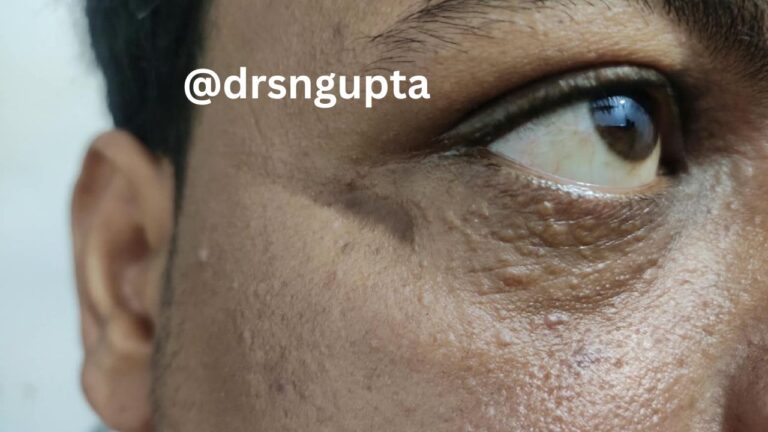
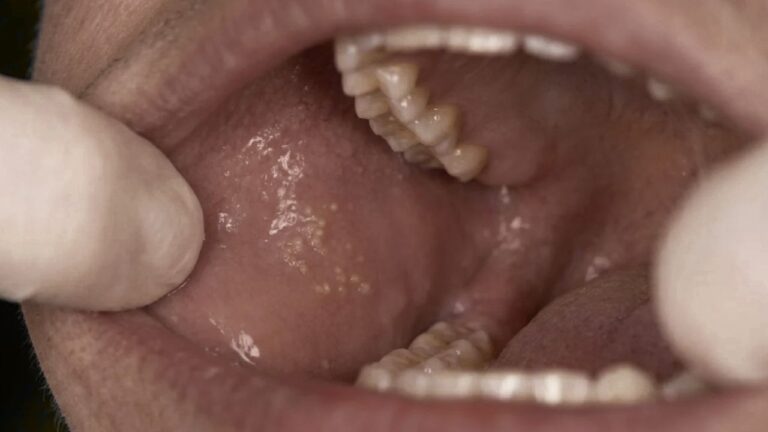
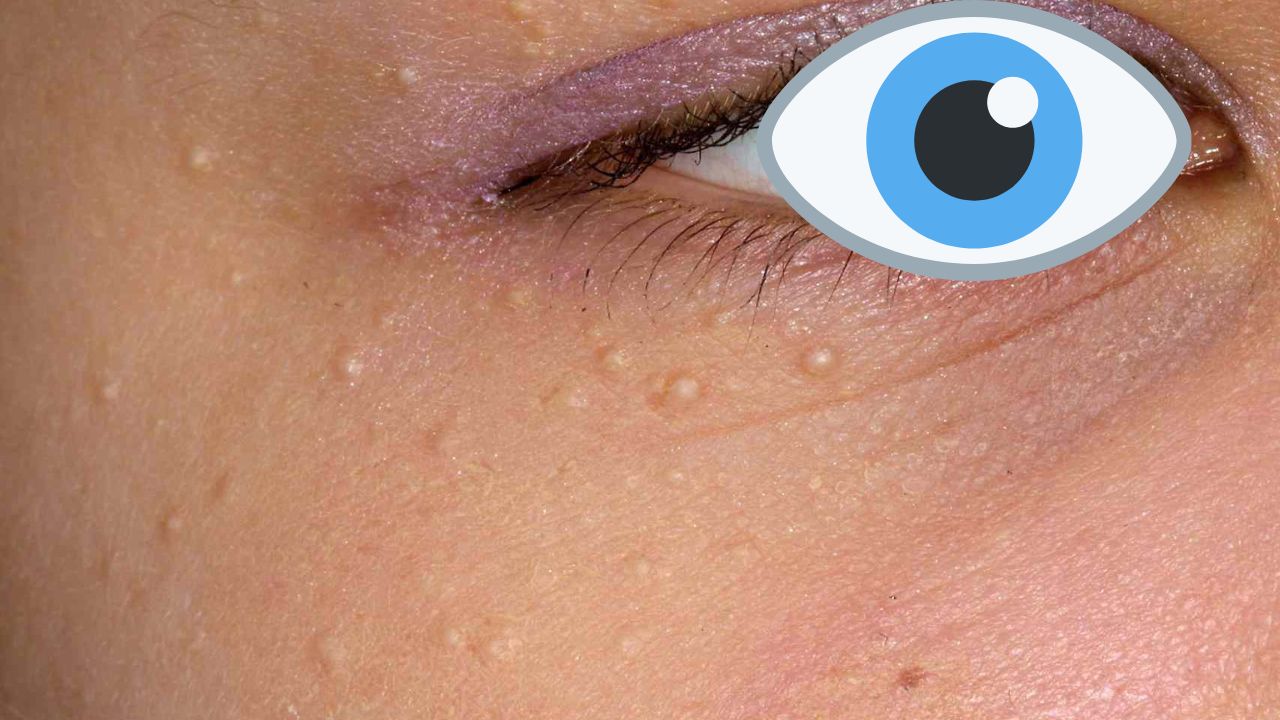
Milia (singular: milium) are small, benign cysts that form when keratin—a protein naturally found in your skin, hair, and nails—gets trapped beneath the skin’s surface. These cysts appear as tiny, firm, white or yellowish bumps, typically measuring 1 to 2 millimeters in diameter. They’re most commonly found on the face, particularly around the eyes, cheeks, nose, and forehead, but can also appear on the upper trunk, extremities, and even the genital area.
What sets milia apart from acne is their composition and formation. While acne results from clogged pores filled with oil and bacteria, milia are keratin-filled cysts that form in small pockets just below the epidermis (the outer layer of skin). This fundamental difference means milia don’t respond to typical acne treatments and require different management approaches.
Milia are completely harmless and not contagious. They don’t cause pain, itching, or inflammation in most cases, though some people report mild itchiness. The primary concern with milia is cosmetic—they can create a textured appearance on the skin that many find undesirable.
Types of Milia
Understanding the different types of milia helps in determining the best treatment approach and identifying potential underlying causes.
Primary Milia
Primary milia develop spontaneously without any apparent skin damage or trauma. These are the most common type and typically appear on the cheeks, eyelids, nose, and sometimes the genital area. Primary milia often reflect inherited keratinization patterns or accumulated sun damage over time. They can occur in people of any age and are particularly common in adults with certain skin types or genetic predispositions.
Neonatal Milia
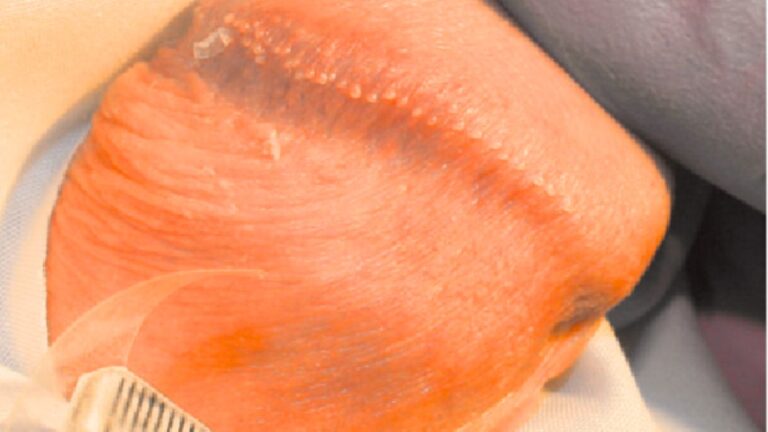
Neonatal milia affect up to 50% of newborn babies and usually appear within the first few weeks of life. These tiny white bumps typically develop on the baby’s nose, cheeks, chin, or forehead. Neonatal milia form when keratin gets trapped in small cysts just below the skin’s surface during development. The good news is that these almost always resolve on their own within a few weeks to months without any treatment needed. Parents should avoid trying to squeeze or treat neonatal milia, as this can irritate the baby’s delicate skin.
Secondary Milia
Secondary milia develop following trauma or damage to the skin. Unlike primary milia, these have a clear triggering event. Common causes include:
- Skin injuries: Burns, blisters, cuts, or abrasions
- Medical procedures: Laser resurfacing, dermabrasion, deep chemical peels, or skin grafts
- Skin conditions: Herpes zoster (shingles), bullous pemphigoid, contact dermatitis, eczema, or bullous lupus erythematosus
- Radiation therapy: Damage from radiotherapy treatme
- Long-term sun damage: Chronic exposure that disrupts normal keratin shedding
Secondary milia form when damage to the eccrine ducts or dermal-epidermal junction disrupts the normal pathway for keratin to reach the skin surface. Instead of shedding naturally, the keratin becomes trapped and forms cysts.
Multiple Eruptive Milia
This rare variant presents as numerous milia appearing suddenly over a short period. Multiple eruptive milia can occur on the face, neck, upper arms, and trunk. This type may be associated with certain genetic conditions or systemic diseases, though it often occurs without any underlying health issues.
Milia en Plaque
An uncommon variant, milia en plique presents as multiple milia clustered together on an inflamed, plaque-like area of skin. This type most commonly appears on the eyelids, behind the ears, or on the neck. It’s more frequently seen in middle-aged women and may be associated with certain autoimmune conditions.
Nodular Milia
Nodular milia are larger, deeper cysts that can measure several millimeters in diameter. These tend to be more persistent and may require professional removal.
What Causes Milia?
The fundamental cause of milia is the trapping of keratin beneath the skin’s surface. However, several factors can contribute to this process
Skincare and Cosmetic Products
Using heavy, oil-based creams, moisturizers, and cosmetics can contribute to milia formation. These products can block the natural shedding of dead skin cells and trap keratin beneath the surface. Eye creams are particularly problematic, as the delicate skin around the eyes is prone to milia development. Products that aren’t labeled “non-comedogenic” (meaning they won’t clog pores) are more likely to contribute to milia.
Lack of Exfoliation
When dead skin cells aren’t regularly removed through exfoliation, they can accumulate and trap keratin beneath the skin. This is especially true for people with naturally slower skin cell turnover or those who don’t cleanse their skin properly. Regular, gentle exfoliation helps maintain healthy keratin shedding and prevents.
Skin Trauma and Damage
Any injury to the skin can disrupt normal keratinization and lead to secondary milia.
- Burns (thermal, chemical, or sunburn)
- Blistering skin conditions
- Surgical procedures or cosmetic treatments
- Chronic rubbing or friction
Long-term Steroid Use
Prolonged use of topical steroid creams or ointments can thin the skin and disrupt normal keratin production, leading to milia formation. This is particularly common in people using steroid creams for conditions like eczema or psoriasis over extended periods.
Sun Damage
Chronic sun exposure damages the skin’s structure and can impair normal keratin shedding. UV radiation breaks down collagen and elastin, creating an environment where keratin is more likely to become trapped. This is why milia are more common in areas with significant sun exposure and in people with a history of sun damage.
Genetic Factors
Some people are simply more prone to developing milia due to their genetic makeup. Family history can play a role in both primary milia and certain rare syndromes associated with multiple milia.
Other Contributing Factors
- Dehydrated or dry skin: Can impair normal skin cell turnover
- Certain medical conditions: Including some genetic disorders and autoimmune diseas
- Hormonal changes: Though less directly linked than with acne
- Poor sleep: Can affect skin regeneration and repair
- Existing skin conditions: Such as rosacea, eczema, or dandruff
Milia vs. Acne: Key Differences
Many people mistake milia for acne, particularly whiteheads or closed comedones, but these conditions are fundamentally different. Understanding the distinctions is crucial for choosing the right treatment.
Composition
- Milia: Contain keratin (a structural protein) trapped in a small cyst beneath the skin
- Acne: Involves clogged pores filled with sebum (oil), dead skin cells, and bacteria
Appearance
- Milia: Small, firm, white or yellowish bumps that are uniform in size (1-2mm)
- Acne: Can vary in size and appearance, including whiteheads, blackheads, red inflamed bumps, and pustules
Location
- Milia: Most common around the eyes, cheeks, and nose; can appear anywhere on the body
- Acne: Typically appears in areas with high oil production: forehead, nose, chin, chest, and back
Inflammation
- Milia: Usually not inflamed, red, or painful
- Acne: Often inflamed, red, tender, and can be painful
Response to Treatment
- Milia: Don’t respond to typical acne treatments; require different approaches
- Acne: Responds to treatments that reduce oil, kill bacteria, and unclog pores
Age of Onset
- Milia: Common in newborns and adults of any age
- Acne: Most common in teenagers and young adults, though adult acne occurs
Diagnosis
Diagnosing milia is typically straightforward and doesn’t require special tests. A dermatologist or healthcare provider can usually identify milia through visual examination alone. The characteristic appearance—small, firm, white bumps in typical locations—is usually sufficient for diagnosis.
In most cases, especially with newborns, no diagnostic testing is necessary. However, if the diagnosis is uncertain or if milia are associated with other symptoms, a dermatologist might:
- Perform a skin biopsy (rarely needed)
- Review medical history to identify potential triggers for secondary milia
- Examine for underlying skin conditions that might be contributing
The principal differential diagnosis is sebaceous hyperplasia, which presents as white-to-yellow grouped papules around the upper lip and nose. Other conditions that might be confused with milia include closed comedones (whiteheads), syringomas, and certain types of skin growths
Treatment Options for Milia
While milia often resolve on their own—especially in infants—they can persist for months or even years in adults. If you’re bothered by their appearance, several treatment options are available.
Professional Treatments
Dermatologists and trained skincare professionals can safely remove milia using various techniques:
De-roofing and Extraction: This is the most common professional treatment. A dermatologist uses a sterile needle or blade to create a tiny opening in the skin over the milium, then gently extracts the keratin cyst with a comedone extractor. This procedure is quick, relatively painless, and provides immediate results. However, it should only be performed by a professional to avoid scarring or infection.
Cryotherapy: Freezing the milia with liquid nitrogen can effectively remove them. This method works well for multiple milia but may require several treatments and can temporarily discolor the skin.
Laser Ablation: CO2 or erbium lasers can precisely remove milia with minimal damage to surrounding skin. This is particularly useful for multiple or recurrent milia, though it’s more expensive than other options.
Electrocautery: Using heat or electricity to burn off milia is another effective professional option. This method seals the area as it removes the cyst, reducing bleeding risk.
Topical Retinoids: Prescription-strength retinoids (such as tretinoin) can help prevent new milia from forming and may gradually reduce existing ones by increasing skin cell turnover. These require consistent use over weeks to months and work best as part of a comprehensive skincare routine
Chemical Peels: Professional-grade chemical peels containing glycolic acid, salicylic acid, or other exfoliating agents can help remove the top layers of skin and release trapped keratin. Multiple sessions may be needed for best results.
At-Home Treatments
While professional removal is the fastest option, several at-home approaches can help manage milia, particularly for prevention and mild cases:
Gentle Exfoliation: Regular, gentle exfoliation helps remove dead skin cells and prevent keratin buildup. Options include:
- Chemical exfoliants: Products containing glycolic acid, lactic acid, or salicylic acid
- Physical exfoliants: Soft scrubs or exfoliating brushes (use gently, 1-2 times per week)
- Enzyme exfoliants: Papaya or pineapple enzyme-based products for sensitive skin
Over-the-Counter Retinoids: Adapalene (Differin) and other OTC retinoids can increase cell turnover and help prevent milia formation. Start with application 2-3 nights per week and gradually increase as tolerated.
Steaming: Regular facial steaming can help open pores and soften the skin, potentially helping trapped keratin release naturally. Sit in a steamy bathroom or use a facial steamer for 5-10 minutes, 1-2 times per week.
Proper Cleansing: Cleanse your face twice daily with a mild, non-comedogenic cleanser to remove makeup, oil, and debris that can contribute to milia. Always remove makeup before bed.
Lightweight Moisturizers: Switch to oil-free, non-comedogenic moisturizers that won’t clog pores or trap keratin. Gel-based or water-based formulas are often better choices than heavy creams.
Honey Masks: Natural honey has antibacterial and hydrating properties that can support skin health. Apply raw honey as a mask for 15-20 minutes once or twice weekly.
What NOT to Do
Don’t Pick or Squeeze: Attempting to pop or squeeze milia at home can lead to:
- Scarring
- Infection
- Further skin damage
- More milia formation
Unlike whiteheads, milia don’t have an opening to the skin surface, so squeezing won’t release them and will likely cause harm.
Avoid Heavy Products: Stop using heavy, oil-based creams, especially around the eyes. These can worsen milia and make them more likely to recur.
Don’t Over-Exfoliate: While exfoliation helps, overdoing it can damage the skin barrier and actually worsen milia. Stick to gentle exfoliation 1-3 times per week depending on your skin type.
Prevention Strategies
Preventing milia is often easier than treating them, especially since they’re more likely to recur in prone individuals. Here are evidence-based prevention strategies:
Skincare Routine Optimization
Choose Non-Comedogenic Products: Look for products labeled “non-comedogenic,” “oil-free,” or “won’t clog pores.” These formulations are specifically designed to avoid trapping keratin and dead skin cells.
Use Lightweight Formulas: Opt for gel-based or water-based moisturizers instead of heavy creams, particularly around the eye area. The delicate skin around the eyes is especially prone to militia.
Regular Exfoliation: Incorporate gentle exfoliation into your routine 1-3 times per week to prevent dead skin cell buildup. Chemical exfoliants (AHAs like glycolic or lactic acid) are often gentler and more effective than physical scrubs.
Consistent Cleansing: Cleanse your face twice daily—morning and night—and after sweating. This removes oil, makeup, and environmental debris that can contribute to milia formation.
Remove Makeup Before Bed: Never sleep with makeup on, as this can trap dead skin cells and keratin beneath the surface.
Sun Protection
Daily Sunscreen: Apply broad-spectrum sunscreen (SPF 30 or higher) every day, even when cloudy. Sun damage is a major contributor to milia formation, particularly primary milia.
Limit Sun Exposure: Avoid excessive sun exposure, especially during peak hours (10 AM to 4 PM). Wear protective clothing, hats, and sunglasses when outdoors.
Product Selection
Avoid Heavy Eye Creams: The under-eye area is particularly prone to milia. Use lightweight eye gels or serums instead of thick creams, or skip eye cream altogether if you’re prone to milia.[klehospital][goodrx]
Minimize Steroid Cream Use: If you use topical steroids for skin conditions, work with your dermatologist to minimize duration and strength. Long-term steroid use is a known trigger for milia.
Patch Test New Products: Before applying new skincare products to your entire face, patch test on a small area to ensure they don’t trigger milia or other reactions.
Lifestyle Factors
Stay Hydrated: Well-hydrated skin sheds cells more efficiently, reducing the risk of keratin trapping. Drink adequate water throughout the day.
Healthy Diet: While diet isn’t a direct cause of milia, a balanced diet rich in antioxidants, vitamins, and omega-3 fatty acids supports overall skin health.
Adequate Sleep: Poor sleep can impair skin regeneration and repair, potentially contributing to milia. Aim for 7-9 hours of quality sleep nightly.
Manage Stress: Chronic stress can affect skin health and healing. Practice stress-reduction techniques like meditation, yoga, or deep breathing.
For Those Prone to Secondary Milia
If you’re undergoing procedures that might trigger secondary milia (laser treatments, chemical peels, etc.), discuss prevention strategies with your dermatologist beforehand. They may recommend:
- Pre-treatment with retinoids to optimize skin turnover
- Post-procedure care protocols to minimize milia risk
- Alternative treatment approaches if you’re highly prone to secondary milia
Special Considerations
Milia in Newborns
Neonatal milia are extremely common, affecting up to half of all newborns. Parents should know:
- No treatment needed: Neonatal milia resolve on their own within weeks to months.
- Don’t squeeze: Attempting to remove them can irritate the baby’s delicate skin.
- Gentle care: Clean the baby’s face with warm water and a soft cloth; avoid harsh products.
- When to see a doctor: If milia persist beyond 3 months, become inflamed, or are accompanied by other symptoms, consult a pediatrician.
Milia en Plaque and Multiple Eruptive Milia
These rare variants may warrant additional medical evaluation, as they can sometimes be associated with underlying conditions. If you develop numerous milia suddenly or in plaque-like formations, consult a dermatologist to rule out associated conditions.
Recurrent Milia
Some people are simply prone to developing milia repeatedly. For these individuals, a consistent prevention routine is essential. Maintenance treatments (such as periodic professional extractions or ongoing use of retinoids) may be necessary to keep milia at bay.
Living with Milia
For many people, milia are a manageable, if occasionally frustrating, skin concern. Understanding that they’re harmless and not a reflection of poor hygiene can reduce anxiety about them. With the right skincare routine and occasional professional treatments when needed, most people can keep milia under control.
Remember that milia are extremely common—affecting people of all ages, skin types, and backgrounds. They’re not a sign of dirty skin, poor health, or anything you’re doing wrong. Many factors contribute to milia formation, including genetics, skin type, and environmental exposures that aren’t entirely within your control.
The key is developing a consistent, gentle skincare routine that supports healthy skin turnover without being overly aggressive. Be patient with your skin—changes take time, and what works for one person may not work for another. If over-the-counter approaches aren’t providing the results you want, don’t hesitate to consult a dermatologist for personalized advice and professional treatments.

Dr. S. N. Gupta is a renowned skin specialist and dermatologist in Prayagraj, with extensive experience in diagnosing and treating various skin, hair, nail and Sexually Transmitted Diseases conditions for last 28 years. Address Shree Balaji Medical Traffic Chauraha, Rajapur Prayagraj Mob 9415613743