Book Appointment Now
Understanding Vitiligo: Beyond the Surface of Pigment Loss
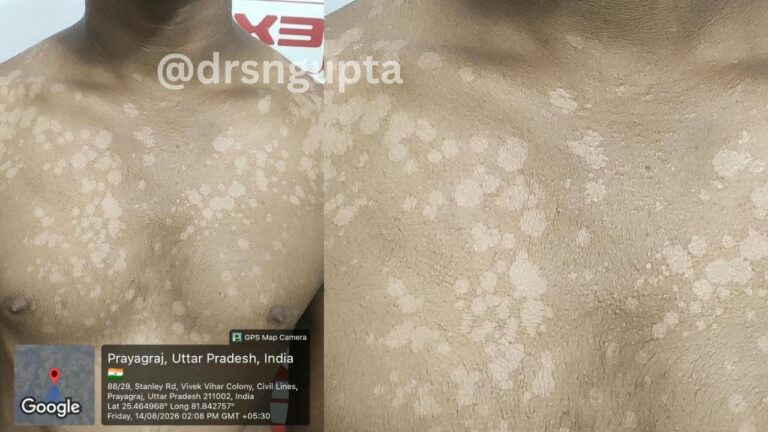
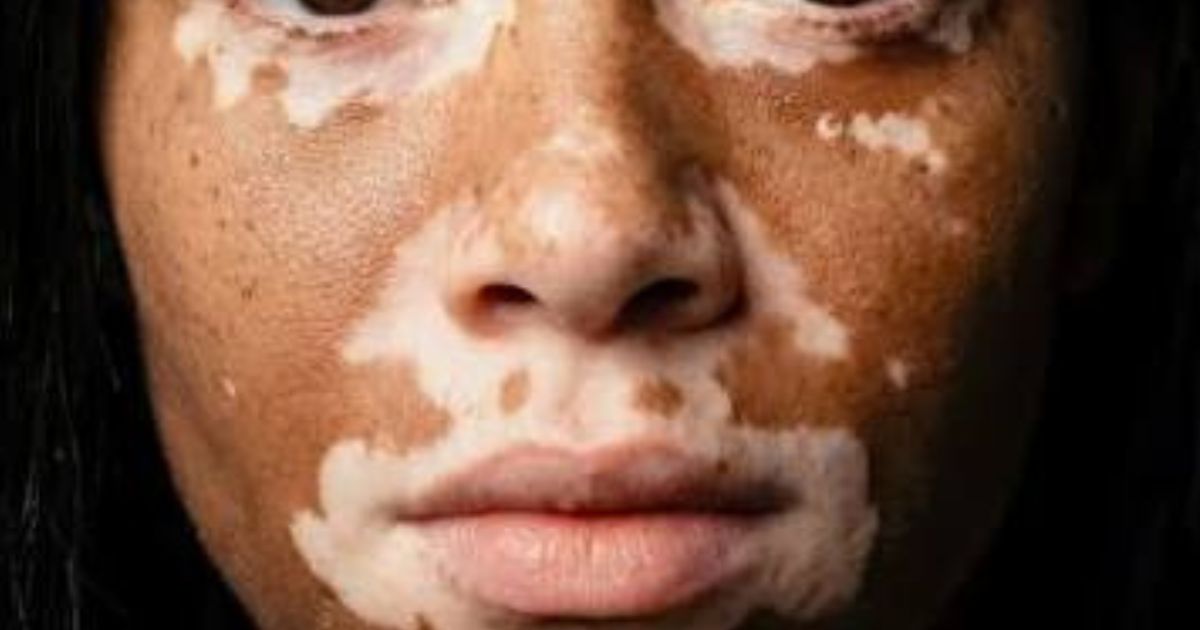
Vitiligo is a complex, chronic condition characterized by the loss of pigment in patches of skin. It occurs when melanocytes—the specialized cells responsible for producing melanin, the pigment that gives our skin, hair, and eyes their color—are destroyed or stop functioning. The result is the appearance of stark white patches that can vary in size, shape, and location.
While vitiligo is physically painless and not contagious, its impact on those who live with it can be profound. For many, it is not just a dermatological condition but a journey of navigating societal perceptions, self-image, and the complexities of an overactive immune system. Understanding vitiligo—what drives it, how it manifests, and the modern approaches to managing it—is essential for demystifying a condition that remains widely misunderstood.
The Biology Behind the White Patches
To understand vitiligo, one must first understand the role of melanocytes. These cells reside in the basal layer of the epidermis. They produce melanin, which is then transferred to neighboring skin cells (keratinocytes) to shield them from the damaging effects of ultraviolet (UV) radiation.
In individuals with vitiligo, the immune system—which is designed to protect the body from external threats—mistakenly identifies these melanocytes as “foreign” or dangerous. This leads to an autoimmune response where T-cells target and destroy the pigment-producing cells. While the exact trigger for this autoimmune attack is still being researched, current scientific consensus points to a combination of genetic predisposition and environmental stressors.
Clinical Presentations and Types
Vitiligo is not a uniform condition; it manifests in several ways, often categorized by the pattern of pigment loss:
- Non-Segmental Vitiligo (Generalized): This is the most common form, accounting for up to 90% of cases. The white patches typically appear symmetrically on both sides of the body (e.g., both hands, both knees, or both eyelids). These patches often progress over time, expanding or appearing in new locations.
- Segmental Vitiligo: Much less common, this form usually appears earlier in life and is confined to one side or one “segment” of the body. It often progresses rapidly for a year or two and then tends to stabilize, remaining in the same area.
- Mucosal Vitiligo: This affects the mucous membranes of the mouth or genitals.
- Universal Vitiligo: A rare, extensive form where the pigment loss covers the majority of the body’s surface.
The condition does not discriminate based on race or gender, though it is often more visually apparent in individuals with darker skin tones, which can lead to increased psychological impact.
The Multifactorial Causes
Vitiligo is rarely the result of a single event. Instead, it is understood as a “multifactorial” condition. Researchers generally agree that three primary elements play a role:
- Genetics: Vitiligo often runs in families. Individuals with a family history of autoimmune diseases (like thyroid disorders, type 1 diabetes, or rheumatoid arthritis) have a higher risk.
- Autoimmunity: The presence of autoantibodies in vitiligo patients supports the theory that the body is attacking itself. This is why many people with vitiligo also have other autoimmune conditions.
- Oxidative Stress: Recent studies suggest that the skin of vitiligo patients may be under high levels of oxidative stress—an imbalance between harmful free radicals and the body’s ability to neutralize them. This stress can damage melanocytes and make them “fragile,” rendering them more susceptible to the immune system’s attack.
The Management Landscape
While there is currently no permanent “cure” that reverses vitiligo for everyone, the therapeutic landscape has evolved significantly. Treatment goals focus on halting the progression of pigment loss and, where possible, encouraging repigmentation (the return of color).
1. Topical Therapies
- Corticosteroids: Often used in the early stages to calm the immune response. Because long-term use can thin the skin, they are typically used in cycles.
- Calcineurin Inhibitors: These are non-steroidal creams (like tacrolimus) that are effective for sensitive areas like the face and neck, with a lower risk of skin thinning compared to steroids.
2. Phototherapy
Phototherapy remains a gold standard for widespread vitiligo. By exposing the skin to narrow-band UVB light, doctors can stimulate the remaining melanocytes—often located in hair follicles—to migrate to the skin’s surface and produce pigment. It is a slow, methodical process that requires consistency, but it can yield significant results.
3. Emerging Treatments: JAK Inhibitors
The most exciting development in recent years is the approval of topical JAK (Janus kinase) inhibitors. These drugs target the specific inflammatory pathways that drive the immune system to attack melanocytes. They have shown remarkable success in repigmenting the face and other areas, offering hope where traditional treatments have failed.
4. Surgical Options
For stable vitiligo that hasn’t responded to light therapy, surgical procedures like skin grafting or melanocyte transplantation can be used. In these cases, pigment is harvested from a stable area of skin and transferred to the depigmented patches.
The Psychosocial Dimension
The most significant challenge for many living with vitiligo is not the physical loss of pigment, but the emotional and social weight of the condition. In many cultures, the visible difference can lead to stigmatization, isolation, and challenges in self-esteem.
It is crucial to acknowledge that the psychological toll of vitiligo is real. For those struggling, connecting with support groups—where experiences are shared and the isolation is broken—can be transformative. Furthermore, in the age of social media, the “vitiligo community” has been powerful in reclaiming the narrative, showcasing the beauty of unique skin patterns and challenging traditional beauty standards.
Living Well: Protection and Care
For someone with vitiligo, the skin is inherently more vulnerable. Because white patches lack melanin, they have zero natural protection against UV radiation. Sunscreen is the single most important tool in your kit. Using a broad-spectrum SPF 30 or higher every single day is essential to prevent painful sunburns and reduce the risk of long-term skin damage.
Furthermore, protecting the skin from minor trauma—like cuts, scrapes, or heavy pressure—is important to prevent the “Koebner phenomenon,” where new patches of vitiligo appear at the site of skin injury.
Conclusion
Vitiligo is a reminder of the body’s intricate and often mysterious inner workings. While it represents a loss of pigment, it is also a testament to the resilience of those who live with it. As science continues to unravel the pathways of autoimmunity and oxidative stress, we are entering an era of more precise and effective treatments.
If you have noticed white patches on your skin, the best course of action is to see a dermatologist. Early intervention, especially when the patches are small, often yields the best results. Above all, remember that your skin is just one part of your identity. With the right care and a supportive community, vitiligo can be managed, and you can live a full, confident life.
Disclaimer: This article is for educational purposes only and does not constitute medical advice, diagnosis, or treatment. Always consult with a healthcare professional regarding any changes to your skin.

Dr. S. N. Gupta is a renowned skin specialist and dermatologist in Prayagraj, with extensive experience in diagnosing and treating various skin, hair, nail and Sexually Transmitted Diseases conditions for last 28 years. Address Shree Balaji Medical Traffic Chauraha, Rajapur Prayagraj Mob 9415613743