Book Appointment Now
Understanding Warts: Causes, Types, and Management
Warts are among the most common skin conditions encountered in dermatology . While they are often viewed primarily as a cosmetic nuisance, they are, in fact, viral infections of the skin that can cause physical discomfort, pain, and psychological distress . By understanding the nature of these growths, how they spread, and how they can be managed, individuals can better navigate their treatment and prevention.
What Are Warts and What Causes Them?
Warts are small, typically harmless lumps that form on the skin’s surface . They are caused by the human papillomavirus (HPV), a group comprising more than 150 related strains .
The virus primarily infects the outer layer of the skin, triggering an accelerated growth of cells that results in the raised, rough texture characteristic of most warts . While the virus is highly contagious, it does not infect everyone equally; susceptibility depends heavily on an individual’s immune system, the presence of skin abrasions (such as cuts or hangnails), and the specific strain of the virus involved .
Common Types of Warts
Because there are so many strains of HPV, warts can manifest in various ways depending on their location and the specific virus type .
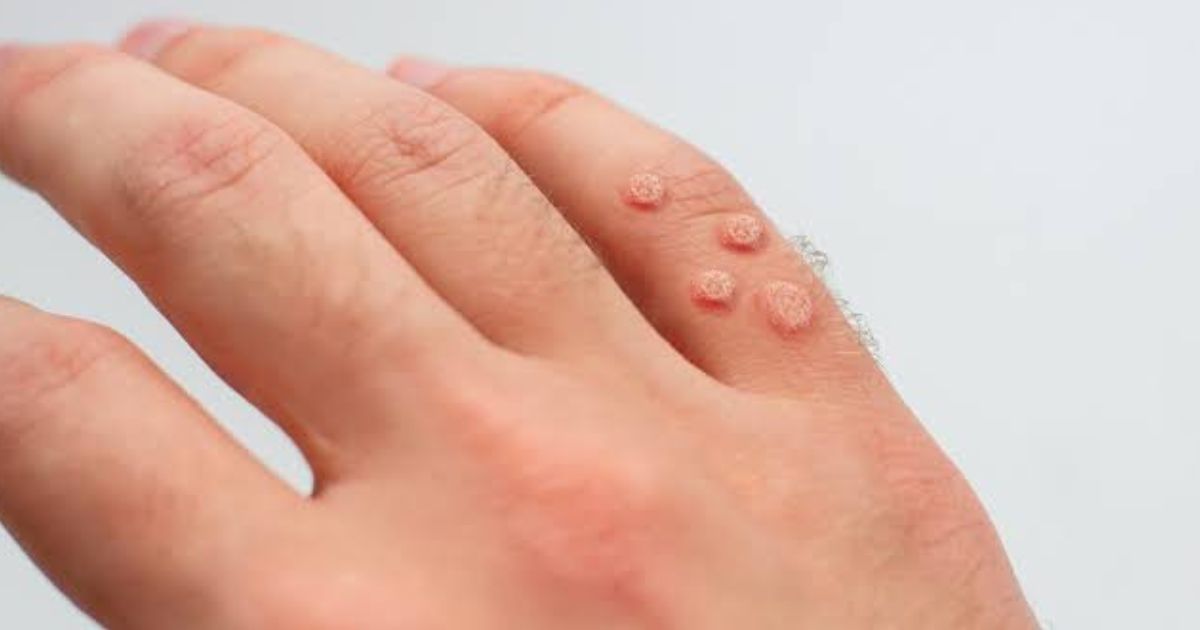
- Common Warts (Verruca vulgaris): Usually found on the hands, fingers, elbows, and knees, these are firm, raised, and often have a “cauliflower-like” surface . They frequently contain tiny, black, seed-like dots, which are actually small, clotted blood vessels .
- Plantar Warts: These develop on the soles of the feet . Due to the constant pressure of body weight, they are often pushed inward, appearing flat rather than raised . They can be quite painful, often feeling like a small stone stuck inside one’s shoe .
- Flat Warts (Plane warts): These are smaller, smoother, and slightly raised. They are most commonly seen in children and can appear in clusters on the face, forehead, or limbs .
- Filiform Warts: Characterized by their long, thread-like appearance, these often grow on the face, specifically around the mouth, eyelids, and nose .
- Periungual and Subungual Warts: These grow around or underneath the fingernails and toenails, respectively . Due to their location, they can be particularly difficult to treat and may cause nail deformities if left alone .
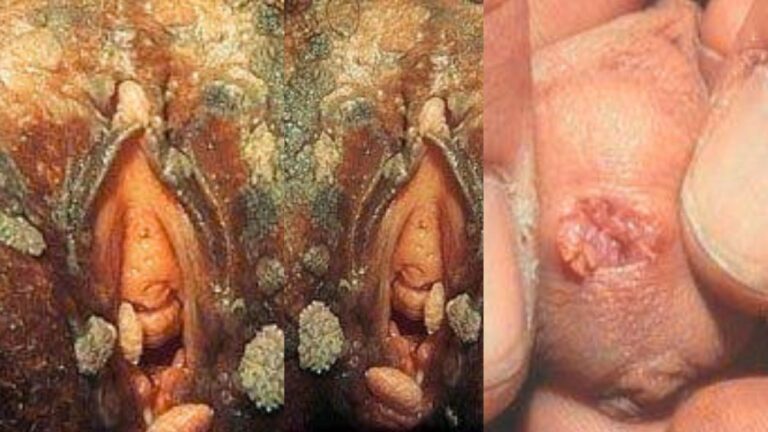
- Genital Warts: A distinct category of HPV infection, these are sexually transmitted and require specialized medical attention . Unlike common skin warts, some strains of the virus linked to genital warts are associated with an increased risk of certain cancers, such as cervical cancer .
Transmission and Prevention
Warts are spread through direct skin-to-skin contact or indirectly via contaminated surfaces . The virus thrives in warm, moist environments, making communal areas like gym locker rooms, public showers, and swimming pools common hotspots for transmission .
The virus can enter the body through microscopic breaks in the skin barrier [1.4.1, 1.4.2]. Once established, it can spread to other parts of the body through scratching, picking, or biting nails .
Key prevention strategies include:
- Maintaining Hygiene: Wash hands frequently and avoid picking at existing warts or biting cuticles .
- Protective Barriers: Wear flip-flops or water shoes in public showers, locker rooms, and around pools .
- Avoiding Shared Items: Do not share towels, razors, or emery boards, especially those used on a wart .
- Covering Wounds: Keep cuts and scrapes covered to prevent the virus from entering .
Management and Treatment Options
Most warts are harmless and will eventually resolve on their own, although this can take months or even years, particularly in adults . However, when warts are painful, spreading, or causing cosmetic concern, treatment is often sought
At-Home Care
For non-genital warts, over-the-counter (OTC) treatments are often the first line of defense. These typically involve:
- Salicylic Acid: Available as liquids, gels, or patches, this medication works by slowly peeling away layers of the wart . Effectiveness is often improved by soaking the skin in warm water and using an emery board to remove dead tissue between applications
- Freezing Kits: OTC cryotherapy products mimic professional freezing treatments, though they are generally less powerful
Medical Interventions
When home care fails, a dermatologist may offer more robust solutions:
- Cryotherapy: Using liquid nitrogen to freeze and destroy the wart tissue
- Electrosurgery and Curettage: Burning the wart with an electrical current and scraping it away
- Laser Therapy: Targeting the blood vessels that supply the wart, effectively “starving” it
- Immunotherapy: Applying chemicals or injecting antigens that trigger the body’s immune system to attack the virus
- Excision: Surgically cutting out the wart
When to See a Doctor
While many warts are minor, certain signs warrant a professional medical evaluation. You should consult a healthcare provider if .
- The wart is painful, bleeds, or shows signs of infection (e.g., redness, swelling, or warmth)
- The wart changes rapidly in size, color, or appearance.
- You have many warts or they are spreading to other body parts.
- You have a weakened immune system, diabetes, or are currently pregnant .
- The wart is located on the genitals or face .
In summary, while warts are a common and often transient viral condition, they require patience and proper care to manage successfully. By practicing good hygiene and seeking professional help when necessary, most individuals can effectively clear these viral skin growths and prevent their recurrence.

Dr. S. N. Gupta is a renowned skin specialist and dermatologist in Prayagraj, with extensive experience in diagnosing and treating various skin, hair, nail and Sexually Transmitted Diseases conditions for last 28 years. Address Shree Balaji Medical Traffic Chauraha, Rajapur Prayagraj Mob 9415613743