Book Appointment Now
Unmasking Fungal Infections: Understanding, Identifying, and Managing Mycoses
Fungi are everywhere. They are an essential part of our ecosystem, living in the soil, on plants, in household dust, and even on our skin as part of the normal “microbiome.” However, when these microscopic organisms find the right environment to multiply unchecked, they can transform from harmless neighbors into troublesome invaders.
Fungal infections, medically known as mycoses, range from mild, superficial annoyances like athlete’s foot to rare, life-threatening systemic conditions. Because fungal infections are often mistaken for other skin issues—such as eczema or bacterial infections—understanding the “who, what, and how” of these infections is crucial for effective treatment.
The Nature of Fungal Infections
Fungi thrive in warm, moist, and dark environments. When they colonize the skin, hair, or nails, they feed on keratin, the structural protein that makes up these tissues. This process of keratin degradation is what leads to the classic symptoms of a fungal infection: itching, scaling, redness, and occasionally blisters.
While there are thousands of fungal species, only a small fraction causes disease in humans. These are generally categorized by the depth of the infection:
- Superficial/Cutaneous: Limited to the outermost layers of the skin, hair, or nails.
- Subcutaneous: Affecting the deeper layers of the skin and underlying tissues (often following a traumatic injury).
- Systemic: Affecting internal organs, usually occurring in individuals with compromised immune systems.
Common Superficial Fungal Infections
The most frequent encounters people have with fungi involve the skin and nails. These are collectively referred to as dermatophytosis (or “tinea”).
1. Tinea Corporis (Ringworm)
Despite the name, there is no worm involved. The infection creates a ring-shaped, red, scaly patch with a clearer center. It is highly contagious and spreads through direct skin-to-skin contact or contact with contaminated items like towels or gym equipment.
2. Tinea Pedis (Athlete’s Foot)
This is perhaps the most common fungal infection. It typically starts between the toes, causing cracking, peeling skin, and intense itching. Because fungi love moisture, walking barefoot in locker rooms, showers, or swimming pools is the primary route of transmission.
3. Tinea Cruris (Jock Itch)
Similar to athlete’s foot, this infection thrives in the warm, damp environment of the groin area. It manifests as a red, itchy, often crescent-shaped rash that may spread to the inner thighs.
4. Onychomycosis (Fungal Nail Infection)
Fungi can invade the nail bed, causing nails to become thickened, brittle, discolored (yellow or brown), and misshapen. These are notoriously difficult to treat because the fungus grows deep under the nail plate, where topicals struggle to reach.
5. Seborrheic Dermatitis and Pityriasis Versicolor
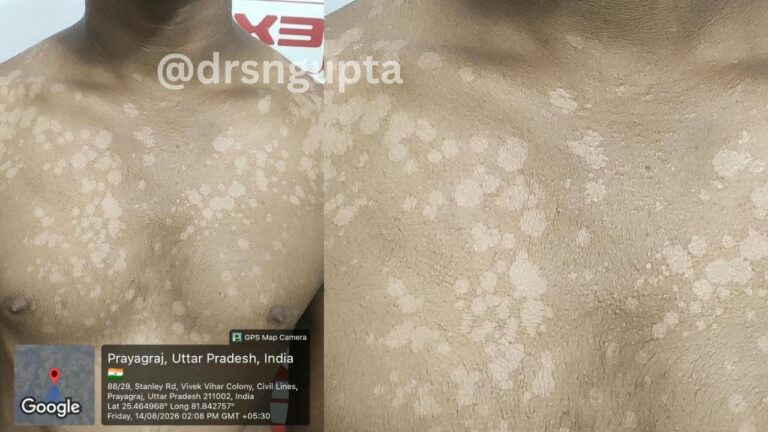
These are caused by an overgrowth of Malassezia, a yeast that naturally lives on human skin. In some people, this yeast triggers a red, flaky rash (dandruff) or discolored, patchy spots on the torso (pityriasis versicolor).
The “Why”: Why Do Fungal Infections Happen?
While anyone can contract a fungal infection, certain factors act as “green lights” for the fungi:
- Environmental Factors: Excessive sweating (hyperhidrosis) and wearing tight, non-breathable clothing create the ideal moist “incubator” for fungi.
- Hygiene Habits: Sharing personal items like razors, towels, or shoes, and walking barefoot in shared public spaces.
- Immune Status: Individuals with diabetes, those taking long-term antibiotics (which kill the “good” bacteria that keep yeast in check), or those with weakened immune systems are significantly more susceptible.
- Comorbidities: Obesity, poor circulation, and existing skin conditions (like psoriasis or eczema) can create skin folds or barriers that trap moisture and encourage fungal growth.
Diagnosis: Beyond the “Itchy Rash”
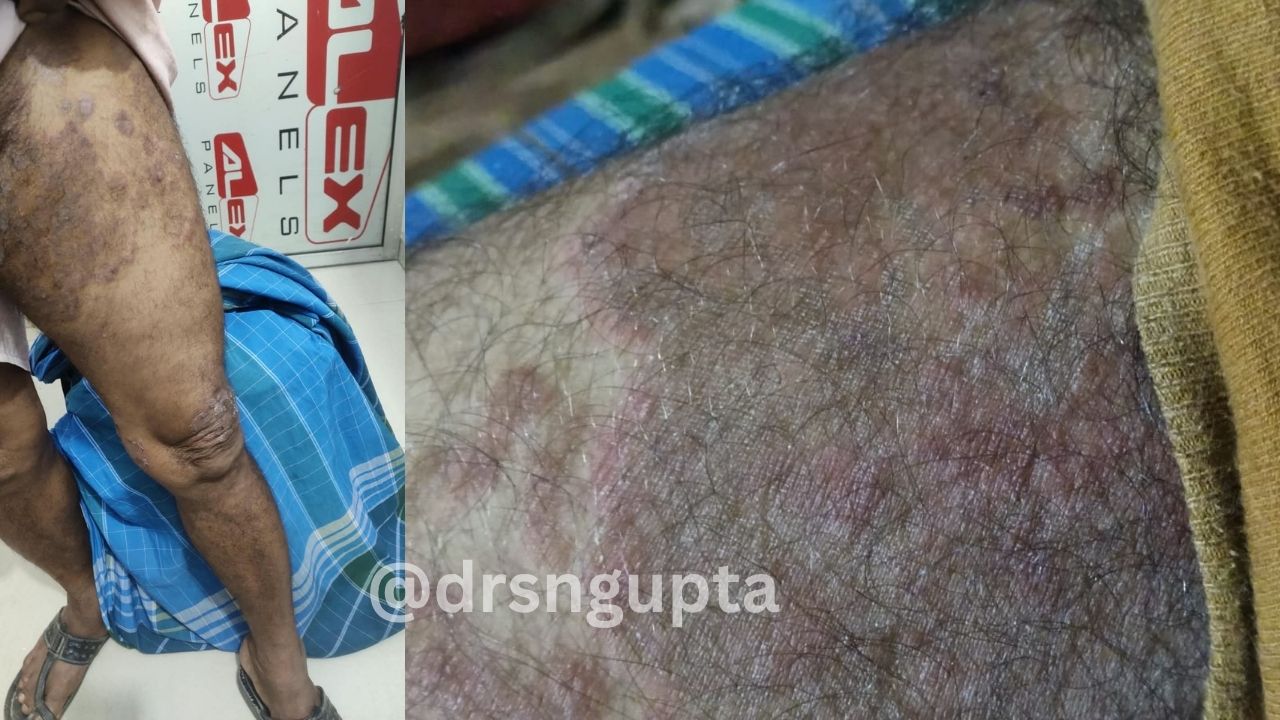
It is a common error to treat an itchy rash with over-the-counter steroid creams. This is a dangerous mistake. Steroids reduce inflammation but also suppress the local immune response, allowing the fungus to grow even faster—a condition known as tinea incognito, where the rash becomes masked, distorted, and more difficult to eradicate.
To confirm a fungal infection, dermatologists typically use:
- KOH (Potassium Hydroxide) Prep: A simple test where a sample of skin scraping is treated with KOH, which dissolves the skin cells but leaves the fungal walls visible under a microscope.
- Fungal Culture: A skin or nail sample is sent to a lab to grow the fungus, identifying the specific species.
- Wood’s Lamp Examination: Certain fungi glow under ultraviolet light, which can aid in the rapid diagnosis of specific conditions.
Treatment: Killing the Invader
Treatment strategies are dictated by the location and severity of the infection.
- Topical Antifungals: For most skin infections, creams containing imidazoles (like clotrimazole or ketoconazole) or terbinafine are the first line of defense. Consistency is key—patients must continue applying the treatment for the full duration prescribed, even after the rash disappears, to prevent recurrence.
- Oral Antifungals: For stubborn cases, or infections affecting the nails and scalp, oral medications (like fluconazole, terbinafine, or itraconazole) are required. These work systemically and are highly effective, though they require medical monitoring due to potential effects on liver health.
- General Management: Medication alone often isn’t enough. Keeping the area dry, changing socks daily, washing bedding in hot water, and avoiding communal barefoot walking are essential components of the “cure.”
Prevention: The Best Medicine
Prevention is largely about managing the environment.
- Keep it Dry: Dry thoroughly after showering, especially between toes and in skin folds.
- Wear Breathable Fabrics: Opt for moisture-wicking materials rather than heavy synthetics.
- Footwear: Wear sandals in public showers and pool areas. Ensure your shoes have time to dry out between wears.
- Mind the Pets: Sometimes ringworm is passed from pets (like kittens or puppies) to humans. If your pet has patchy hair loss, have a veterinarian check them.
Conclusion
Fungal infections are among the most persistent and frustrating of skin conditions, largely because they are masters of adaptation and survival. However, they are also highly treatable. The key lies in recognizing the symptoms early and resisting the urge to self-medicate with the wrong types of creams.
If you have a persistent rash that refuses to heal, or nail changes that concern you, consult a dermatologist. With the correct diagnosis and a committed treatment plan, you can successfully clear the infection and return your skin to its healthy, balanced state.
Disclaimer: This article is for educational purposes only and does not constitute medical advice, diagnosis, or treatment. Always consult with a healthcare professional if you suspect you have an infection.

Dr. S. N. Gupta is a renowned skin specialist and dermatologist in Prayagraj, with extensive experience in diagnosing and treating various skin, hair, nail and Sexually Transmitted Diseases conditions for last 28 years. Address Shree Balaji Medical Traffic Chauraha, Rajapur Prayagraj Mob 9415613743