Book Appointment Now
Acne Vulgaris: Deciphering the Biology and Management of the World’s Most Common Skin Condition
Acne vulgaris is perhaps the most universally recognized skin condition in human history. From the fleeting breakouts of puberty to the persistent cysts that can plague adulthood, acne is a source of frustration, physical discomfort, and psychological distress for millions. Despite its ubiquity, many people remain trapped in a cycle of ineffective “trial-and-error” treatments, unaware that acne is not merely a lack of hygiene, but a complex, multi-factorial inflammatory disorder of the pilosebaceous unit.
To effectively manage acne, one must look beyond the surface. Understanding why acne forms—and how to treat it scientifically—is the difference between temporary relief and long-term skin health.
The Anatomy of a Breakout: What Happens Beneath the Skin?
Acne vulgaris occurs within the pilosebaceous unit, which consists of a hair follicle and its associated sebaceous (oil) gland. The development of an acne lesion is the result of four primary pathological processes acting in concert:
- Hyperseborrhea (Excess Oil Production): Driven primarily by androgens (hormones), sebaceous glands become enlarged and produce excessive amounts of sebum (oil).
- Hyperkeratinization: The cells lining the hair follicle do not shed normally. Instead, they become “sticky” and clump together, creating a plug (microcomedone) that traps oil inside the follicle.
- Bacterial Colonization: The trapped oil and dead skin cells create a perfect anaerobic (oxygen-free) environment for Cutibacterium acnes (C. acnes), a bacterium that naturally lives on the skin but proliferates rapidly in clogged follicles.
- Inflammation: The body’s immune system recognizes the overgrowth of C. acnes and the rupture of the follicle wall, sending white blood cells to the area. This triggers the redness, swelling, and pus formation characteristic of inflammatory acne.
Types of Acne: Understanding the Spectrum
Acne is not a monolithic condition; it exists on a spectrum from mild non-inflammatory comedones to severe, scarring cystic acne.
- Non-Inflammatory Acne:
- Open Comedones (Blackheads): The follicle is open to the air, causing the oil and pigment to oxidize and turn black.
- Closed Comedones (Whiteheads): The follicle is closed, trapping the material beneath the skin surface, appearing as small, flesh-colored bumps.
- Inflammatory Acne:
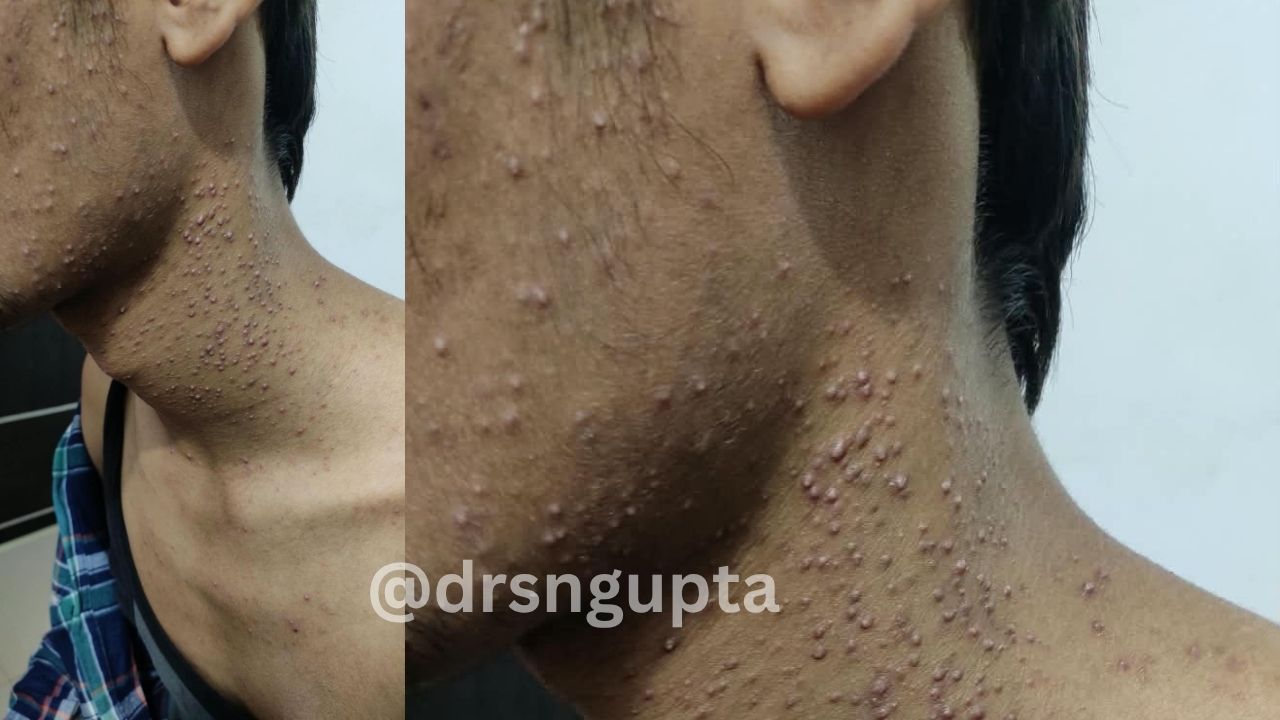
- Papules: Small, red, tender bumps caused by follicular wall rupture.
- Pustules: Similar to papules but filled with visible white or yellow pus.
- Nodules: Large, firm, painful lesions that develop deep within the skin.
- Cysts: The most severe form, characterized by fluid-filled, painful sacs that carry a high risk of permanent scarring.
The Myth of Hygiene and the Reality of Triggers
A pervasive myth surrounding acne is that it is caused by “dirty skin.” In reality, over-washing or aggressive scrubbing often makes the condition worse by damaging the skin’s protective barrier, leading to more irritation and inflammation.
While hygiene is important, the true drivers of acne are more complex:
- Genetics: If your parents had severe acne, you are statistically more likely to develop it.
- Hormonal Fluctuations: Androgens are the primary drivers of oil production. This explains why acne often surges during puberty, menstruation, and conditions like Polycystic Ovary Syndrome (PCOS).
- Dietary Links: While the “chocolate causes acne” debate is nuanced, emerging research suggests that high-glycemic index diets (sugary foods, white bread) and dairy may trigger or exacerbate breakouts in some individuals by spiking insulin levels.
- Comedogenic Cosmetics: Certain oils and ingredients in makeup or hair products can physically clog pores, leading to “acne cosmetica.”
The Hierarchy of Treatment
Effective acne management is a marathon, not a sprint. Treatment must be tailored to the severity of the condition and typically follows a stepped approach.
Tier 1: Over-the-Counter (OTC) Basics
For mild cases, OTC ingredients can be highly effective:
- Benzoyl Peroxide: A powerful antimicrobial that kills C. acnes and helps unclog pores.
- Salicylic Acid: A beta-hydroxy acid that penetrates into the pores to exfoliate dead skin cells.
- Adapalene: A topical retinoid (now available OTC) that regulates skin cell turnover, preventing the initial formation of microcomedones.
Tier 2: Prescription Topicals
When OTC options fail, dermatologists often prescribe:
- Tretinoin/Tazarotene: Stronger prescription retinoids that are the gold standard for long-term acne maintenance and pore clearance.
- Topical Antibiotics: Used in combination with benzoyl peroxide to reduce bacteria and prevent antibiotic resistance.
Tier 3: Oral Medications
For moderate to severe or scarring acne, oral therapies are often required:
- Oral Antibiotics: (e.g., Doxycycline) Used for short-term control of severe inflammation.
- Hormonal Therapy: For women, certain oral contraceptives or spironolactone can block the hormonal signals that drive excess oil production.
- Isotretinoin: Often considered the “nuclear option” for severe, treatment-resistant, or scarring acne. It is a highly effective medication that shuts down oil glands, though it requires strict medical monitoring due to potential side effects.
The Emotional Toll and the Importance of Early Intervention
The psychological impact of acne is profound. It is linked to increased rates of anxiety, depression, and social withdrawal, particularly in teenagers and young adults. Because acne is visible, it is often misunderstood as a minor annoyance, but for the person experiencing it, the impact on self-esteem is significant.
Furthermore, the “scarring” potential of acne is a critical reason to seek professional help early. Post-inflammatory hyperpigmentation (PIH)—the dark spots left after a pimple heals—and permanent pitted scarring are difficult and expensive to treat later. Treating acne effectively while it is active is the best way to prevent the lasting physical and emotional scars of the disease.
Conclusion: A Proactive Path Forward
Acne vulgaris is a medical condition, not a personal failing. It is a complex interaction of biology, genetics, and environment that requires a structured, scientific approach. With the vast array of treatments available today—from retinoids and biologics to hormonal modulators—there is no reason for anyone to simply “wait for it to go away.”
If you are struggling with breakouts, the most important step is to consult a board-certified dermatologist. They can help you move away from the frustration of constant trial-and-error and toward a regimen that addresses the root causes of your acne. Your skin is resilient, and with the right care, the path to clear skin is not only possible but likely.
Disclaimer: This article is for educational purposes only and does not constitute medical advice, diagnosis, or treatment. Always seek the advice of a dermatologist or other qualified health provider with any questions you may have regarding a medical condition.

Dr. S. N. Gupta is a renowned skin specialist and dermatologist in Prayagraj, with extensive experience in diagnosing and treating various skin, hair, nail and Sexually Transmitted Diseases conditions for last 28 years. Address Shree Balaji Medical Traffic Chauraha, Rajapur Prayagraj Mob 9415613743