Book Appointment Now
Skin Tags : Understanding Causes, Symptoms, and Safe Removal Options
Skin tags—medically known as acrochordons—are one of the most common and completely harmless skin growths that people develop during their lifetime. While they do not pose any threat to your physical health, they can sometimes catch on clothing, jewelry, or cause cosmetic concerns, prompting many individuals to seek out information on what causes them and how to safely get rid of them.
This comprehensive guide covers everything you need to know about skin tags, including their causes, symptoms, professional treatment options, and why you should think twice before attempting bathroom surgery at home.
What Is a Skin Tag?
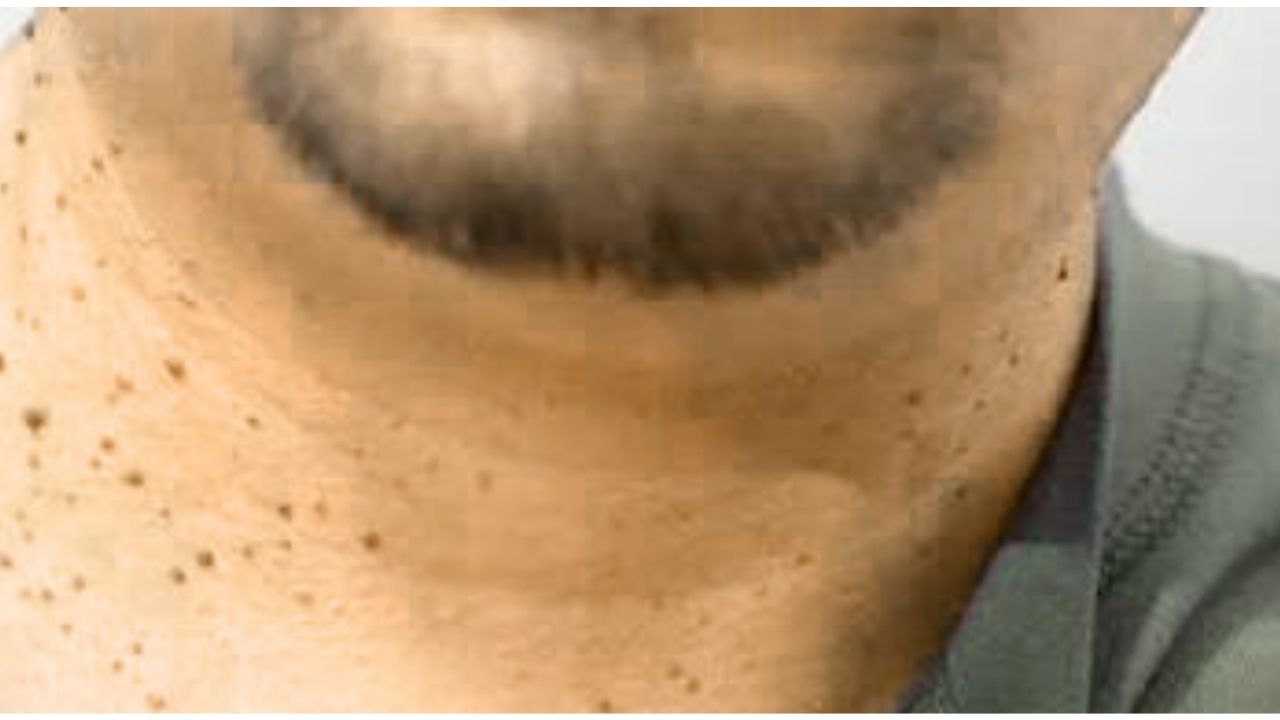
A skin tag is a small, soft, benign (non-cancerous) skin growth that typically hangs off the body by a tiny, narrow stalk called a peduncle.
Structurally, skin tags are composed of loose collagen fibers and blood vessels surrounded by a skin layer (epidermis). They are usually flesh-colored or slightly darker, ranging from the size of a pinhead (1 to 2 millimeters) to the size of a grape (a centimeter or larger in some cases).
Common Locations on the Body
Skin tags can develop almost anywhere on the skin, but they strongly prefer areas where skin rubs against skin or clothing. Frequent friction zones include:
- The neck and underarms (axillae)
- Groin folds and inner thighs
- Under the breasts (inframammary fold)
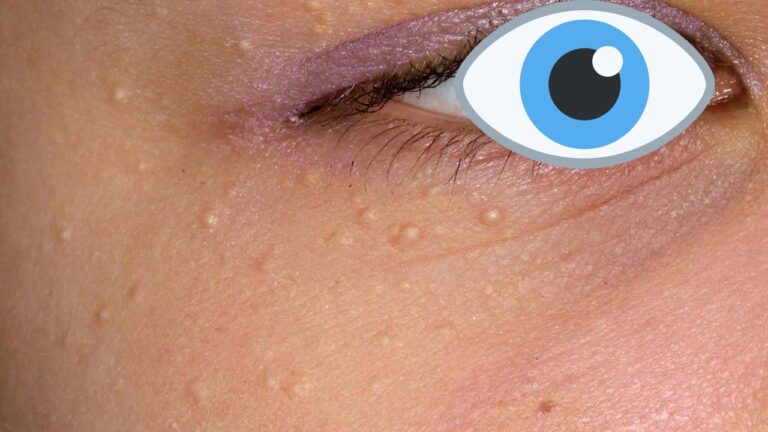
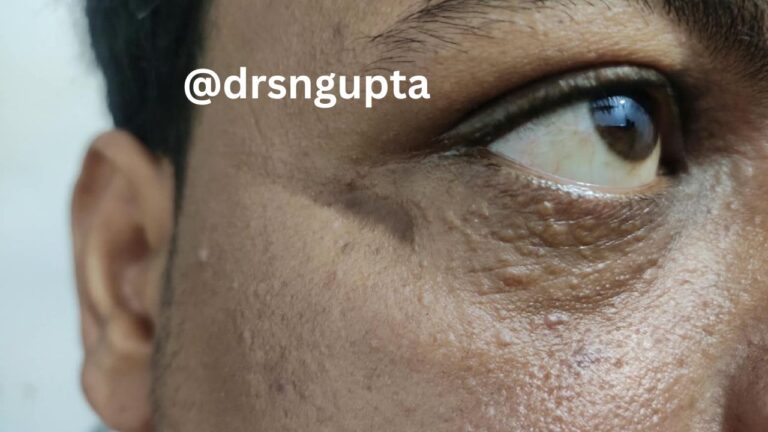
- Eyelids (often small and thread-like)
- The upper chest and back
What Causes Skin Tags?
While the exact trigger for every skin tag isn’t fully understood, dermatologists agree that friction and genetics are the primary drivers. When skin repeatedly rubs against skin or fabric, it can cause excess cells to multiply within the top layers of the skin, forming a stalk.
Several key factors increase your likelihood of developing skin tags:
1. Friction and Irritation
Chronic rubbing is the single most common mechanical cause. People who wear tight collars, high necklines, or underwire bras that chafe the skin often notice skin tags developing in those exact contact lines.
2. Genetics and Family History
If your parents or grandparents frequently developed skin tags, you are statistically much more likely to develop them as well. Genetic predisposition plays a significant role in skin cell turnover and structure.
3. Hormonal Fluctuations
Hormones—specifically surges in estrogen and progesterone—are heavily linked to skin tag formation. This is why skin tags are notably common during pregnancy, often appearing in the second and third trimesters.
4. Insulin Resistance and Obesity
Research has found a strong statistical correlation between multiple skin tags and metabolic conditions, particularly insulin resistance, pre-diabetes, and type 2 diabetes. Furthermore, individuals with higher body mass indexes (BMIs) experience more skin-on-skin friction folds, providing an ideal environment for acrochordons to form.
5. Aging
Skin tags can appear at any age, but they become increasingly common as people age, particularly after mid-life, due to cumulative skin friction and natural changes in skin elasticity.
Symptoms and What They Look Like
Skin tags are usually completely asymptomatic—meaning they don’t hurt, itch, or bleed on their own. However, they can become symptomatic if irritated:
- Snagging: They can catch on zippers, necklaces, or clothing, leading to minor pain or bleeding.
- Torsion (Twisting): If the stalk twists on itself, the blood supply can be cut off, causing the skin tag to become painful, turn dark, or fall off on its own (auto-amputation).
Skin Tags vs. Other Skin Lesions
It is crucial not to self-diagnose skin growths, as several other conditions can mimic skin tags. Consult a board-certified dermatologist if you notice a lesion that resembles a skin tag but exhibits any of the following traits:
- Warts: Caused by the human papillomavirus (HPV), warts have a rough, grainy texture rather than a smooth, soft feel.
- Moles (Nevi): Moles can be flat or raised and often contain pigment (melanin). Unlike skin tags, atypical moles can evolve into melanoma.
- Seborrheic Keratoses: These are common, harmless, warty-looking growths that appear “stuck on” the skin, but they typically lack a narrow stalk.
- Skin Cancers: Basal cell carcinoma or early squamous cell carcinoma can occasionally present as small raised bumps. If a growth changes rapidly, bleeds spontaneously, or won’t heal, seek medical evaluation immediately.
Professional Removal Options: Safe and Effective
Because skin tags are benign, removing them is entirely optional and usually done for cosmetic reasons or to stop chronic irritation. Dermatologists offer several quick, in-office procedures that minimize the risk of scarring, infection, and incomplete removal:
1. Cryotherapy (Freezing)
The dermatologist applies liquid nitrogen directly to the skin tag using a cotton swab or specialized spray. The extreme cold freezes the tissue, causing the skin tag to wither and fall off within 7 to 10 days.
2. Electrosurgery (Cauterization)
A small, specialized medical device delivers a high-frequency electrical current to burn off the skin tag. The heat simultaneously cauterizes the blood vessels, preventing bleeding and sterilizing the area to minimize infection risk.
3. Surgical Excision (Snip Removal)
For larger skin tags, a doctor uses sterilized medical scissors or a scalpel to snip the lesion off at the base. Local anesthesia may be used depending on the size and location, though many small tags require little to no numbing.
Can You Remove Skin Tags at Home?
With countless home remedies and over-the-counter kits available online, many people wonder if they can remove skin tags themselves in the bathroom. Dermatologists strongly advise against DIY skin tag removal.
Why DIY Removal is Risky:
- Infection: Cutting skin in a non-sterile home environment opens a direct pathway for bacteria like Staphylococcus, potentially leading to painful cellulitis or abscesses.
- Severe Bleeding: Even small skin tags contain blood vessels. Snipping them without proper cauterization can result in unexpected, prolonged bleeding, especially in sensitive areas like the neck or eyelids.
- Scarfing and Pigment Changes: Improper removal methods often leave permanent scars, hypopigmentation (light spots), or hyperpigmentation (dark spots).
- Misdiagnosis: If you mistake a melanoma or a dangerous skin lesion for a benign skin tag and attempt to tie it off or burn it off at home, you delay vital medical cancer treatment.
Avoid Dangerous Internet Remedies:
- Tea Tree Oil and Apple Cider Vinegar: While touted as natural remedies, these acidic or potent oils can cause severe chemical burns, contact dermatitis, and skin irritation without reliably destroying the stalk.
- Ligation (String/Floss Method): Tying dental floss or thread around the base to cut off blood supply can cause localized tissue necrosis, pain, and high infection risks if bacteria enter the dying tissue.
Prevention and Lifestyle Tips
While you cannot entirely prevent genetically driven skin tags, you can minimize new formations by targeting the lifestyle and mechanical factors that trigger them:
- Reduce Skin Friction: Wear breathable, soft fabrics and clothing that doesn’t constantly rub against your neck, underarms, or inner thighs.
- Manage Weight and Blood Sugar: Maintaining a healthy weight through a balanced diet and regular exercise reduces skin-on-skin friction folds and helps regulate insulin levels, which studies link to fewer skin tags.
- Stay Dry: Keeping sweat-prone areas clean and dry prevents moisture-related irritation and chafing.
When to See a Doctor
While most skin tags are completely harmless, schedule an appointment with a healthcare professional if you experience:
- A skin tag that changes color (turns black, purple, or unevenly pigmented).
- Rapid growth, bleeding, or persistent pain.
- A lesion that looks irregular or differs significantly from your other skin tags.
- A skin tag located directly on the eyelid margin that interferes with your vision.
Frequently Asked Questions (FAQs)
Are skin tags contagious?
No. Skin tags are not caused by a virus, bacteria, or fungus, and you cannot catch them from someone else or spread them to other parts of your own body through contact.
Do skin tags grow back after removal?
Once a specific skin tag is completely removed by a professional, that exact tag will not grow back. However, if you are genetically predisposed or experience ongoing friction in the same area, new skin tags can form nearby.
Will removing a skin tag cause more to grow?
No. This is a common medical myth. Removing a skin tag does not trigger your body to grow more skin tags in its place.
The Takeaway
Skin tags are a completely normal, harmless part of human skin variation. While they can be a cosmetic nuisance or prone to snagging, they require no medical treatment unless they bother you. If you decide you want them gone, skip the bathroom scissors and dangerous home kits—visit a board-certified dermatologist for a quick, safe, and scar-free removal procedure.

Dr. S. N. Gupta is a renowned skin specialist and dermatologist in Prayagraj, with extensive experience in diagnosing and treating various skin, hair, nail and Sexually Transmitted Diseases conditions for last 28 years. Address Shree Balaji Medical Traffic Chauraha, Rajapur Prayagraj Mob 9415613743