Book Appointment Now
Dermatosis Papulosa Nigra (DPN): Causes, Symptoms, and Safe Removal Options
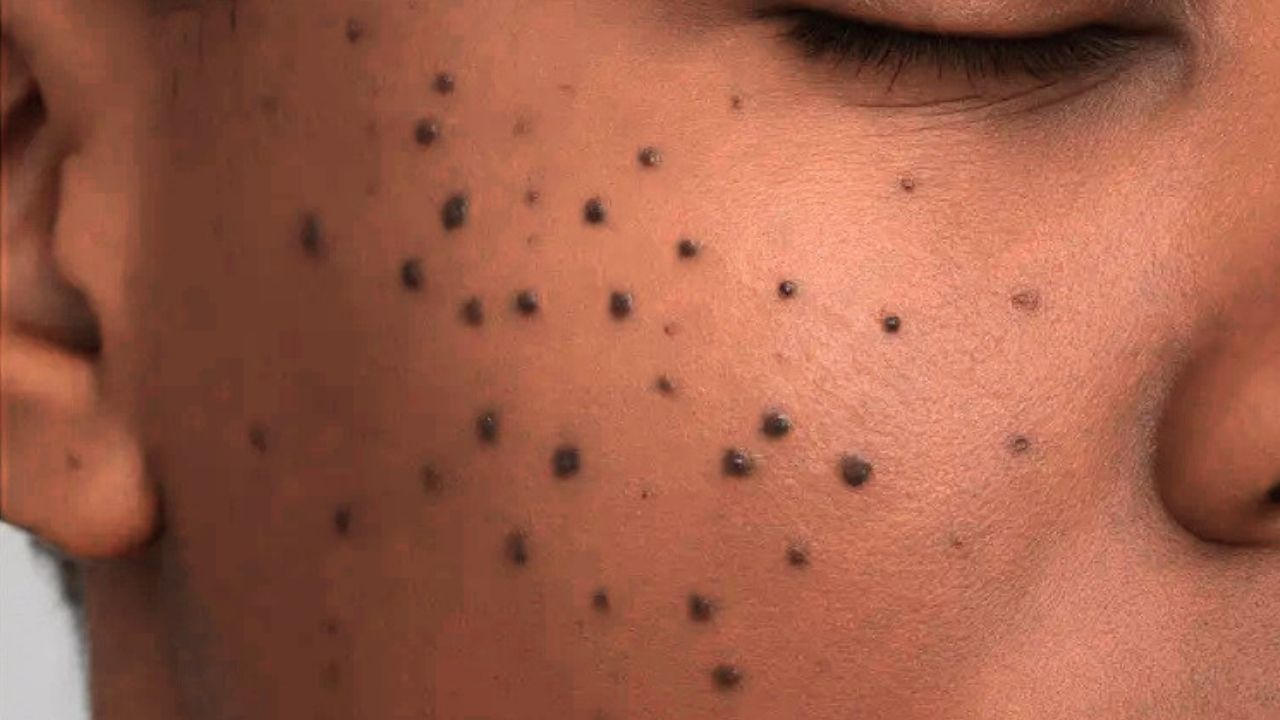
If you have ever noticed tiny, smooth, dark brown or black bumps scattered across your cheeks, forehead, or neck, you might be wondering what they are. These common, benign skin lesions are known as dermatosis papulosa nigra (DPN).
While DPN is completely harmless and non-cancerous, it is often a source of cosmetic concern for those who live with it. Because these spots frequently appear on prominent areas of the face, finding safe, effective, and non-scarring management options is a priority for many individuals.
This comprehensive guide explores everything you need to know about dermatosis papulosa nigra, including its causes, symptoms, professional treatment options, and why expert dermatological care is essential.
What Is Dermatosis Papulosa Nigra?
Dermatosis papulosa nigra is a very common, benign cutaneous condition that primarily affects individuals with skin of color (Fitzpatrick skin types IV through VI), including people of African, Asian, and Hispanic descent.
Medically classified as a variant of seborrheic keratosis, DPN presents as multiple small, dome-shaped, hyperpigmented (dark) papules. These bumps usually range from 1 to 5 millimeters in diameter and typically appear during adolescence, gradually increasing in number and size over the decades.
Common Locations on the Body
DPN lesions almost exclusively favor sun-exposed areas of the skin, most frequently developing on:
- The cheekbones and forehead
- The temples and around the eyes
- The neck and upper chest
- The upper back
A Historic Milestone: Dr. Harold O. Perry and Famous Faces
Dermatosis papulosa nigra gained widespread public recognition and cultural visibility largely due to high-profile figures who proudly wear these natural skin markings. Most notably, the legendary media icon Oprah Winfrey has visibly lived with DPN on her cheeks and neck throughout her career, normalizing the condition for millions worldwide.
Medically, the condition was first thoroughly characterized and named in the mid-20th century. Notably, renowned dermatologist Dr. Harold O. Perry and his colleagues at the Mayo Clinic published foundational dermatological studies in the 1960s and 1970s that helped formalize the clinical understanding and classification of DPN, distinguishing it from other hyperpigmented conditions.
What Causes Dermatosis Papulosa Nigra?
The exact biological trigger for DPN remains fully understood, but clinical research points to several primary contributing factors:
1. Genetics and Family History
Genetics play the most dominant role in the development of DPN. Studies show that up to 50% to 75% of individuals with DPN have a direct family history of the condition. If your parents or grandparents had these spots, you are genetically predisposed to develop them as well.
2. Skin Phototype and Melanin
DPN has a profound statistical predilection for darker skin tones. The hyperproliferation of epidermal cells is closely tied to genetic factors inherent in skin types with higher baseline melanin concentrations.
3. Cumulative Sun Exposure
Because DPN lesions concentrate almost exclusively on areas exposed to ultraviolet (UV) light—such as the face, neck, and upper chest—chronic, cumulative sun exposure acts as a secondary catalyst that accelerates their appearance over time.
Symptoms and What DPN Looks Like
DPN is generally an asymptomatic condition, meaning the individual spots typically do not cause physical pain, itching, or irritation on their own. However, because they are raised bumps, they can occasionally catch on towels, clothing, or jewelry, leading to mild localized irritation or temporary bleeding.
Key Visual Characteristics:
- Color: Dark brown, deep black, or flesh-colored tones matching the surrounding hyperpigmentation.
- Texture: Smooth, velvety, or slightly warty. They often look as though they are “stuck on” the surface of the skin rather than growing out of the deeper layers.
- Size: Small, pinhead-to-pea-sized papules (1–5 mm).
DPN vs. Other Skin Conditions
It is essential to have any new or changing skin lesion evaluated by a board-certified dermatologist, as several other skin conditions can resemble DPN:
- Malignant Melanoma: A serious skin cancer that can present as dark spots. Unlike stable DPN lesions, melanomas often feature irregular borders, mixed color variations, and rapid changes over time.
- Common Moles (Nevi): Pigmented skin cells that can be flat or raised.
- Flat Warts: Caused by human papillomavirus (HPV), flat warts have a smoother surface than DPN but can occasionally look similar.
- Seborrheic Keratoses: While DPN is technically a variant of seborrheic keratosis, classic seborrheic keratoses are often larger, thicker, and appear across the trunk and back rather than concentrated heavily on the face.
Professional Removal Options: Safety First for Melanin-Rich Skin
Because DPN lesions are entirely benign, medical treatment is not mandatory. However, many people choose to remove them for cosmetic enhancement.
Treating skin of color requires specialized clinical expertise. Procedures performed incorrectly can trigger post-inflammatory hyperpigmentation (PIH) (dark spots left behind after injury) or hypopigmentation (permanent light spots or scars). Therefore, always consult a dermatologist experienced in treating darker skin types.
1. Electrodesiccation and Curettage (ED&C)
This is widely considered the gold standard for DPN removal. A dermatologist uses a fine electrical needle to gently desiccate (dehydrate and destroy) the tissue of the lesion, followed by a gentle scraping tool (curette) to clear away the dried remnant. It is fast, highly precise, and minimizes thermal damage to surrounding tissue.
2. Snip Excision
For small, pedunculated (hanging) DPN lesions, a doctor may use specialized medical micro-scissors to carefully snip the papule off at its base.
3. Mild Chemical Peels or Topical Retinoids
For very early or fine DPN lesions, dermatologists may occasionally incorporate medical-grade chemical peels or prescription retinoids to gently manage surface skin cell turnover, though these methods are generally less effective for raised, established papules than direct physical removal.
What to Avoid: Cryotherapy and Lasers (With Caution)
- Aggressive Cryotherapy (Freezing): Standard liquid nitrogen treatment used for lighter skin types can easily cause permanent hypopigmentation (white spots) in melanin-rich skin by destroying the melanocytes (pigment-producing cells). If used at all, it requires extreme caution and specialized freezing times.
- Uncontrolled Lasers: Certain ablative lasers can cause pigmentary complications if parameters are not meticulously tailored to the patient’s skin type.
Can You Remove DPN at Home?
Never attempt to remove dermatosis papulosa nigra at home.
Over-the-counter removal creams, home remedies, or bathroom tools (like needles, blades, or thread) carry severe risks for individuals with darker skin tones:
- High Risk of Permanent Scarring: At-home scratching, cutting, or burning damages the deeper layers of the dermis, resulting in permanent keloids, pitted scars, or hypertrophic scars.
- Severe Pigment Changes: Home trauma almost universally triggers severe, long-lasting post-inflammatory hyperpigmentation, leaving the face covered in dark marks worse than the original DPN lesions.
- Infection: Non-sterile home environments invite bacterial pathogens, leading to painful localized skin infections.
Prevention and Daily Skin Care Tips
Because DPN is strongly driven by genetics, you cannot entirely prevent the condition from developing if you are predisposed to it. However, you can minimize the progression and maintain overall skin health with consistent habits:
- Strict Daily Sun Protection: Apply a broad-spectrum sunscreen with an SPF of 30 or higher every single day, even when it is cloudy. Sun protection prevents UV-induced cellular proliferation and minimizes background facial hyperpigmentation.
- Gentle Skincare Routine: Avoid harsh physical scrubs, abrasive loofahs, or aggressive chemical exfoliants on the face and neck, as chronic mechanical irritation can stimulate skin growths.
- Early Dermatological Consultation: Addressing DPN early with a professional when the spots are small and few in number makes removal easier and results cleaner.
When to See a Dermatologist
Schedule an appointment with a qualified dermatologist if you notice any of the following:
- A skin bump that changes shape, size, or color rapidly.
- A lesion that begins bleeding spontaneously or fails to heal.
- Bumps that cause physical pain, severe itching, or get repeatedly snagged by clothing or jewelry.
- You desire safe, scar-free cosmetic removal tailored specifically to skin of color.
Frequently Asked Questions (FAQs)
Is dermatosis papulosa nigra contagious?
No. DPN is a non-infectious, genetic skin condition. You cannot catch it from someone else, nor can you spread it to other parts of your body through touch or contact.
Will DPN spots grow back after they are removed?
Once a specific DPN lesion is completely removed by a professional using the correct method, that exact spot will not return. However, because DPN is an ongoing genetic process, new lesions can naturally form nearby as you age.
Does DPN turn into skin cancer?
No. DPN lesions are entirely benign and do not possess malignant potential. They will not transform into skin cancer.
The Takeaway
Dermatosis papulosa nigra is a normal, harmless, and deeply genetic part of skin variation, shared by millions of people around the world—including celebrated cultural icons. While medical treatment is never mandatory, safe and effective professional options exist for those who wish to clear their skin. If you are considering removal, always entrust your skin to a board-certified dermatologist who understands how to treat melanin-rich skin safely without risking scars or pigment changes.

Dr. S. N. Gupta is a renowned skin specialist and dermatologist in Prayagraj, with extensive experience in diagnosing and treating various skin, hair, nail and Sexually Transmitted Diseases conditions for last 28 years. Address Shree Balaji Medical Traffic Chauraha, Rajapur Prayagraj Mob 9415613743