Book Appointment Now
Understanding Verruca Vulgaris (Common Warts): Causes, Symptoms, and Advanced Treatment Solutions
Skin growths can be startling, especially when they appear seemingly overnight and resist simple home remedies. Among the most common dermatological complaints are common warts, clinically known as verruca vulgaris.
While harmless in most cases, verruca vulgaris can be stubborn, persistent, and socially uncomfortable. Understanding the underlying viral cause, recognizing clinical presentations, and exploring evidence-based removal strategies can help patients navigate treatment successfully.
What is Verruca Vulgaris?
Verruca vulgaris is the medical term for common warts—benign, non-cancerous epidermal proliferations caused by infection with specific strains of the human papillomavirus (HPV).
Unlike high-risk HPV strains associated with mucosal malignancies, common warts are caused by low-risk types, most frequently HPV types 2, 4, 27, and 57. When these viruses breach the skin through microscopic cuts, abrasions, or macerated tissue, they infect the basal keratinocytes (skin cells), stimulating rapid, abnormal cell division and creating a thick, hyperkeratotic growth.
Clinical Characteristics and Symptoms
Verruca vulgaris can develop anywhere on the body, though they have a strong predilection for sites prone to trauma, such as the hands, fingers, around the fingernails (periungual warts), and knees.
Key Visual and Physical Features
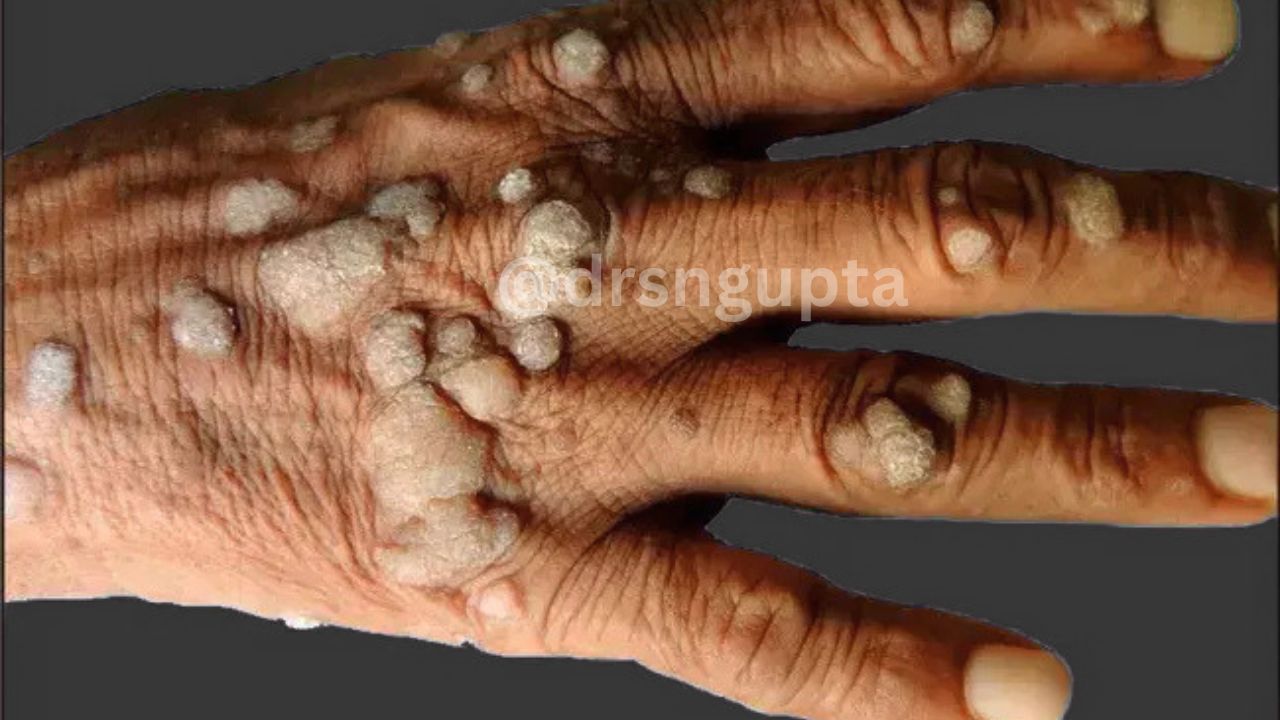
- Appearance: They typically present as firm, raised papules or nodules with a rough, irregular, “cauliflower-like” surface.
- Black Dots: A hallmark diagnostic feature of verruca vulgaris is the presence of tiny black pinpoints within the wart. These are not seeds, as old myths suggest, but rather thrombosed (clotted) miniature blood vessels that supply blood to the growth.
- Loss of Skin Lines: The normal dermatoglyphic skin lines are disrupted and do not cross over the surface of a true wart.
- Pain Profiles: While usually painless, warts located on pressure-bearing areas—such as the palms or periungual folds—can become tender, split, or cause discomfort during daily activities.
How Warts Spread and Transmission Mechanics
HPV is remarkably resilient and spreads easily from person to person or from one part of the body to another.
- Direct Contact: Skin-to-skin contact with an infected individual can transmit the virus.
- Indirect Contact (Fomites): The virus thrives in warm, moist environments. Walking barefoot around public swimming pools, communal locker rooms, or shared gym showers significantly increases the risk of acquiring plantar or common warts.
- Auto-Inoculation: Picking, scratching, or biting at a wart can release viral particles, causing the infection to spread linearly or in clusters across the patient’s own skin.
The Natural History: Do Warts Clear on Their Own?
A common question patients ask is whether they need active medical intervention. For many individuals—particularly children—verruca vulgaris is a self-limited condition.
- Immune Clearance: Over time, the immune system eventually mounts a cell-mediated response against the HPV virus, causing the wart to spontaneously regress and disappear without scarring.
- The Waiting Game: Studies show that roughly 50% of warts in children clear within two years without treatment. However, warts in adults tend to be more stubborn, persist longer, and are more resistant to natural immune clearance.
Intervention is generally recommended if warts are painful, rapidly multiplying, cosmetically distressing, or occurring in immunocompromised patients whose bodies cannot easily fight off the virus.
Professional Medical Treatments
When over-the-counter treatments fail or warts persist, consulting a board-certified dermatologist unlocks advanced, clinical-grade therapeutic options.
1. Cryotherapy (Liquid Nitrogen)
The most widely utilized in-office procedure, cryotherapy involves applying extremely cold liquid nitrogen to the wart.
- Mechanism: The freezing temperature destroys the infected cells, creating a localized blister underneath the lesion. As the blister heals and peels away over 1 to 2 weeks, the wart sheds with it. Multiple sessions spaced 2 to 4 weeks apart are often required.
2. Topical Salicylic Acid Keratolytics
Prescription-strength salicylic acid preparations work by chemically softening and peeling away the thick outer layers of dead, infected keratinocytes layer by layer, stimulating an underlying inflammatory response that helps the immune system recognize the virus.
3. Immunotherapy
For recalcitrant (stubborn) warts that refuse to clear, dermatologists may use topical contact sensitizers (like squaric acid or diphenylcyclopropenone) or inject antigens (like Candida antigen) directly into the lesion. This triggers a localized allergic or immune reaction, waking up the body’s immune cells to attack the HPV virus globally.
4. Destructive and Laser Options
- Electrodessication and Curettage (ED&C): Scraping the wart away with a curette followed by electrical cautery to seal blood vessels.
- Pulsed Dye Laser (PDL): Targets and destroys the tiny blood vessels feeding the wart, starving the lesion of oxygen and nutrients.
Prevention Strategies
Minimizing the risk of developing or spreading verruca vulgaris involves mindful daily habits:
- Never Pick or Bite: Avoid scratching or biting warts or the skin around your fingernails.
- Protect Public Feet: Always wear flip-flops or water shoes in communal locker rooms, gym showers, and around public pools.
- Maintain Hand Hygiene: Wash hands regularly, and keep skin moisturized to prevent cracking and micro-tears that invite viral entry.
- Do Not Share Personal Items: Avoid sharing towels, razors, or nail clippers with someone who has active warts.
Nature of common warts
Verruca vulgaris is an uninvited guest, but it is one that modern dermatology can successfully manage and eliminate. Whether choosing watchful waiting for a minor lesion or seeking professional cryotherapy and immunotherapy for a stubborn growth, understanding the viral nature of common warts empowers patients to protect their skin health with confidence.
on

Dr. S. N. Gupta is a renowned skin specialist and dermatologist in Prayagraj, with extensive experience in diagnosing and treating various skin, hair, nail and Sexually Transmitted Diseases conditions for last 28 years. Address Shree Balaji Medical Traffic Chauraha, Rajapur Prayagraj Mob 9415613743