Book Appointment Now
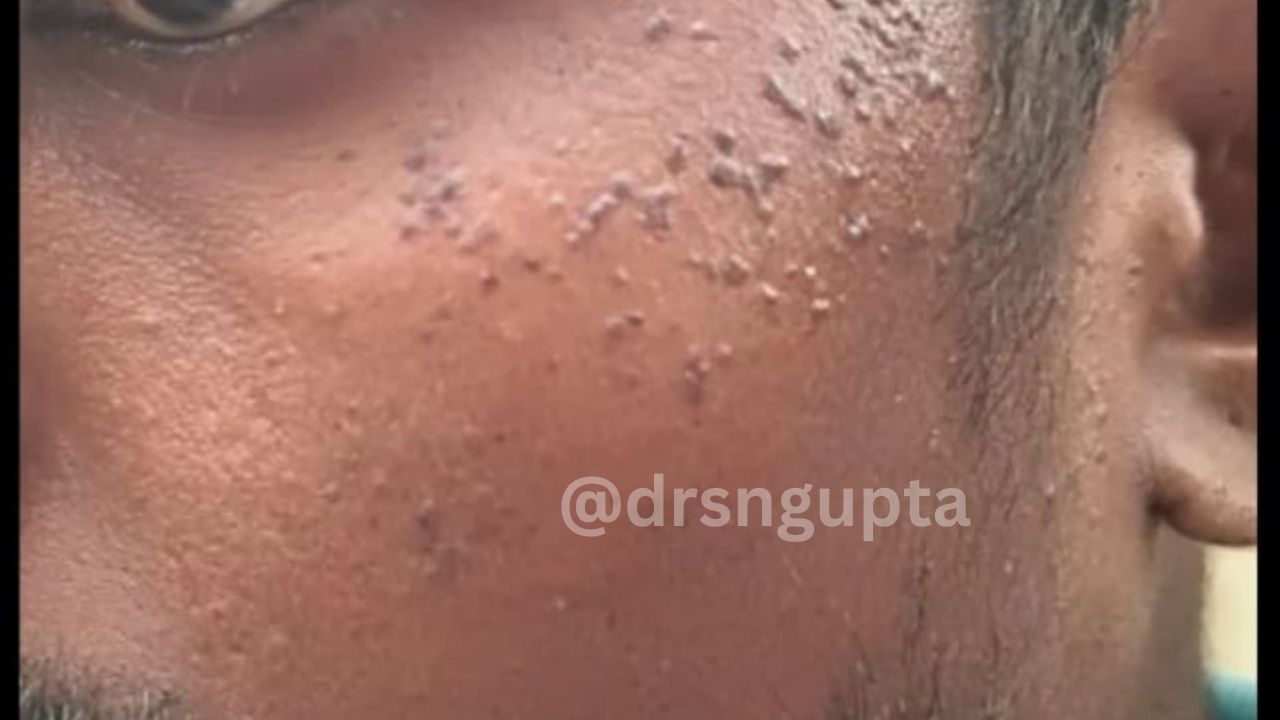
Understanding Verruca Plana (Flat Warts): Causes, Symptoms, and Advanced Treatment Solutions
Skin lesions can take many different forms, but few are as subtly persistent as flat warts. Clinically known as verruca plana, flat warts are distinct benign epithelial tumors that frequently catch patients off guard due to their smooth texture, small size, and tendency to appear in large clusters.
Because they frequently target highly visible areas like the face, neck, and hands, understanding their viral origins, clinical presentation, and professional management options is essential for safe and effective clearance.
What is Verruca Plana?
Verruca plana, commonly referred to as flat warts, are small, benign skin growths caused by specific strains of the human papillomavirus (HPV)—most notably HPV types 3, 10, 28, and 49.
Unlike common warts (verruca vulgaris), which feature thick, rough, cauliflower-like surfaces, flat warts are characterized by distinct physical traits:
- Appearance: They are smooth, flat-topped papules that are only very slightly raised above the skin level.
- Coloration: They are typically skin-colored, light brown, pinkish, or yellowish.
- Size: They measure between 1 to 5 millimeters in diameter—often no bigger than a pinhead.
- Distribution: Unlike isolated common warts, flat warts almost always appear in groups or clusters, sometimes numbering anywhere from a dozen to over a hundred lesions in a single localized area.
Common Locations and Clinical Presentation
Flat warts show a strong affinity for specific areas of the body, particularly regions exposed to routine friction, shaving, or sunlight.
- The Face and Forehead: Frequently seen along the hairline, cheeks, and forehead, particularly in children and young adults.
- The Hands and Wrists: The dorsum (backs) of the hands are frequent secondary targets.
- The Legs: In men, flat warts can frequently appear along shaving lines on the beard area, while in women, they often manifest on the shins due to micro-abrasions from shaving.
A unique phenomenon associated with verruca plana is the Koebner phenomenon. Because the virus lives in the top layers of the skin, scratching, shaving, or rubbing the lesions can cause the warts to seed along linear scratch marks, creating rows of new bumps.
Transmission and Causes
Like all human papillomavirus manifestations, verruca plana is contagious and spreads through direct or indirect pathways:
- Direct Skin-to-Skin Contact: Touching an active flat wart on another person or transferring the virus from one part of your body to another.
- Fomites and Shared Items: Sharing towels, washcloths, razors, makeup sponges, or athletic gear can easily facilitate viral transmission.
- Impaired Skin Barriers: Microscopic cuts, scrapes, or freshly shaved skin provide an easy entry point for the HPV virus to infect local basal keratinocytes.
Natural History: Do Flat Warts Go Away on Their Own?
In many healthy individuals, flat warts are self-limited, meaning the body’s immune system will eventually recognize the viral invader and clear it completely.
- The Timeline: Natural resolution can take anywhere from several months to a few years. Up to 78% of flat warts resolve spontaneously within two years.
- The Waiting Dilemma: While watchful waiting is safe, waiting out flat warts on the face can be cosmetically distressing and socially challenging. Furthermore, because they occur in high numbers, leaving them untreated can sometimes lead to prolonged spreading.
Professional medical intervention is recommended if the warts are rapidly multiplying, inflamed, itchy, or impacting a patient’s psychological well-being.
Professional Medical Treatments
Treating flat warts requires a delicate touch. Because they frequently target sensitive areas like the face, aggressive removal techniques used for plantar warts (such as deep surgical excision or heavy acid destruction) can lead to permanent scarring, hyperpigmentation, or hypopigmentation. Dermatologists utilize specialized, gentle protocols:
1. Prescription Topical Keratolytics and Retinoids
Unlike thick common warts, flat warts respond well to mild chemical modulation that speeds up skin cell turnover:
- Topical Retinoids: Dermatologists frequently prescribe topical creams containing tretinoin, adapalene, or tazarotene. These medications irritate the skin slightly, forcing the infected cells to shed rapidly and slough the flat warts away without leaving scars.
- Low-Strength Salicylic Acid: Mild keratolytic preparations help peel away infected epidermal layers gradually.
2. In-Office Procedural Options
- Gentle Cryotherapy: Using precise, light applications of liquid nitrogen, a clinician can freeze superficial lesions. Because flat warts are thin, deep freezing is unnecessary and avoided to prevent pigment changes.
- Cantharidin: A blistering agent applied meticulously to individual lesions by a specialist, causing a microscopic blister to lift the flat wart cleanly off the skin.
- Electrodessication or Laser Therapy: For stubborn clusters that resist topical creams, specialized light or fine electrical currents can destroy the lesions under localized supervision.
Crucial Patient Warning: Never pick, scratch, or aggressively scrub flat warts, especially on your face. Picking breaks the skin barrier, triggers the Koebner phenomenon, spreads the virus into linear lines of new warts, and massively increases the risk of bacterial secondary infections or permanent scarring.
Prevention and Daily Management
Minimizing outbreaks and preventing the transmission of verruca plana requires disciplined hygiene habits:
- Practice Strict Hand Washing: Always wash your hands immediately after touching or applying treatments to a wart.
- Do Not Share Personal Grooming Tools: Never share razors, towels, makeup brushes, or facial sponges. Men should exercise caution when shaving over areas with flat warts, utilizing disposable razors or switching to electric trimmers to avoid spreading the virus across the face or neck.
- Avoid Scratching: Refrain from picking at facial blemishes that might actually be early flat warts.
Flat warts ensures you protect your skin
Verruca plana can be an aesthetic nuisance, but they are entirely benign and manageable with the right guidance. Whether you choose a patient approach of watchful waiting for natural immune clearance or partner with a board-certified dermatologist for targeted topical retinoids and gentle removal, understanding flat warts ensures you protect your skin health safely and effectively.

Dr. S. N. Gupta is a renowned skin specialist and dermatologist in Prayagraj, with extensive experience in diagnosing and treating various skin, hair, nail and Sexually Transmitted Diseases conditions for last 28 years. Address Shree Balaji Medical Traffic Chauraha, Rajapur Prayagraj Mob 9415613743