Book Appointment Now
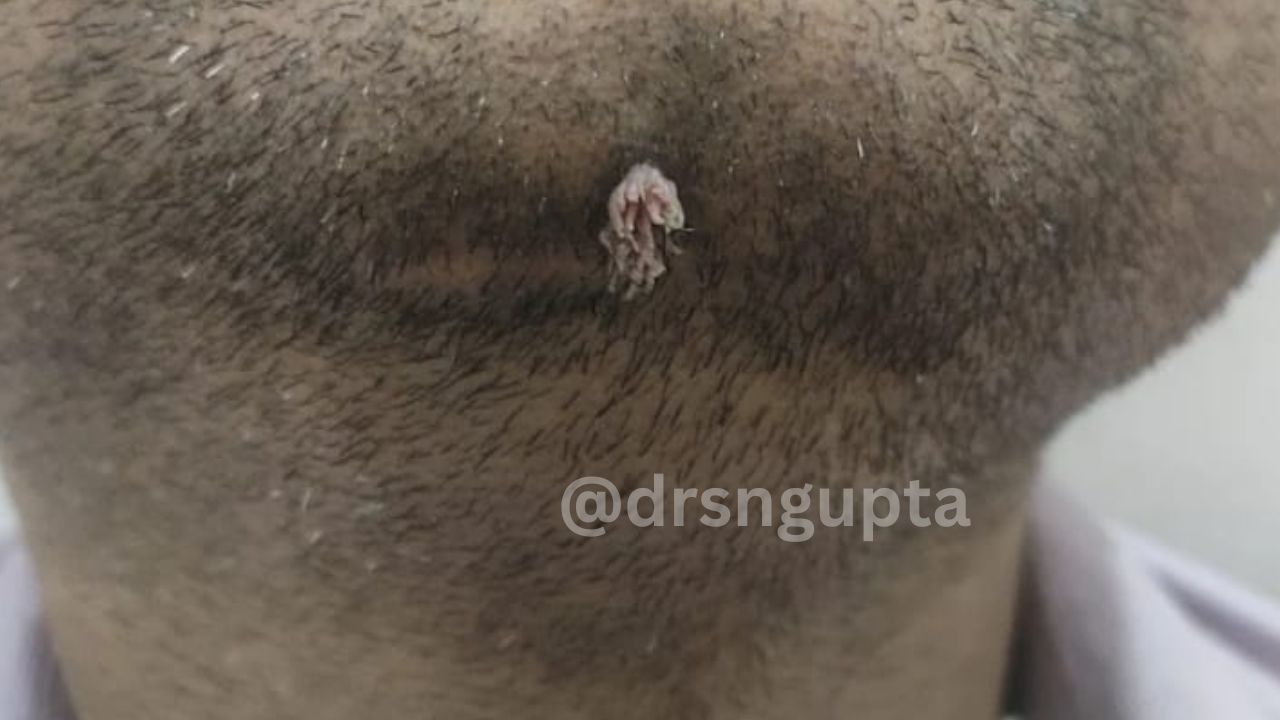
Understanding Filiform Warts (Verruca Filiformis): Causes, Distinct Symptoms, and Expert Removal Options
Skin growths can manifest in many different shapes and textures, ranging from smooth flat bumps to rough, cauliflower-like nodules. Among the most visually distinct and surprising varieties are filiform warts, medically known as verruca filiformis.
Characterized by their unique finger-like projections that sprout outward from the skin, filiform warts frequently appear on the face, creating both aesthetic and physical concerns. Understanding why these warts develop, how they spread, and what medical removal options exist is essential for treating them safely without scarring.
What is a Filiform Wart?
Filiform warts are a specialized presentation of common warts (verruca vulgaris), caused by an infection of the epidermis with specific strains of the human papillomavirus (HPV)—most frequently HPV types 1, 2, 4, 27, and 29.
While standard common warts grow outward as thick, domed papules, filiform warts take on a very specific structural shape:
- Finger-Like Projections: They feature narrow, thread-like, or finger-like fronds that stick out sharply from the surface of the skin.
- Rapid Growth: They can grow quite rapidly compared to other wart types, often elongating within a matter of weeks.
- Flesh-Colored or Pink: They are typically skin-colored, pink, or light brown, blending in with surrounding tissue while standing out due to their distinct protruding structure.
Common Locations and Clinical Presentation
Because of their unique appearance, filiform warts are easy to identify once they develop. They show a strong biological preference for thin, sensitive skin surfaces.
- The Face: They frequently target the eyelids, lips, nostrils, and around the mouth.
- The Neck and Chin: Folds of skin on the neck and jawline are also prime real estate for filiform growth.
- The Periorbital Region: Developing a wart right on the edge of an eyelid can feel alarming, as the projections can cause irritation or mechanical obstruction of vision.
Unlike plantar warts on the soles of the feet, which endure heavy body weight and pressure, filiform warts are delicate, soft, and flexible. However, their prominent, dangling structure makes them easily snagged on clothing, towels, or during shaving, which can trigger localized bleeding, pain, and secondary inflammation.
How Filiform Warts Spread and Transmission
Like all human papillomavirus manifestations, filiform warts are contagious. The underlying HPV virus lives in the outermost layer of the skin and spreads through simple pathways:
- Direct Skin-to-Skin Contact: Touching an active wart on another individual or inadvertently transferring the virus from one part of your own body to another.
- Auto-Inoculation: Scratching, picking, or accidentally shaving over a filiform wart can release viral particles, seeding new warts nearby in linear lines or clusters.
- Fomites and Grooming Tools: Sharing towels, washcloths, or using contaminated razors across different areas of the face can facilitate viral spread.
Do Filiform Warts Go Away on Their Own?
Many patients wonder if they can simply wait out a filiform wart. Because warts are driven by the immune system, they are technically self-limited infections. Given enough time (often months to a couple of years), the immune system will usually recognize the HPV virus and clear the lesion completely.
However, waiting is rarely recommended for filiform warts due to several unique factors:
- High Visibility: Because they almost always grow on the face, neck, and eyes, their cosmetic impact is significant.
- Risk of Trauma: Their dangling structure means they get snagged easily on razors or clothing, leading to pain, bleeding, and accidental spreading via auto-inoculation.
Professional Medical Treatments
Treating facial warts requires extreme precision. Aggressive over-the-counter home remedies—such as heavy liquid acids or harsh chemical removers designed for thick foot calluses—should never be applied near the eyes, lips, or delicate facial skin, as they can cause chemical burns, permanent hypopigmentation, or scarring.
Dermatologists utilize targeted, safe, in-office procedures for filiform warts:
1. Surgical Snip Excision and Curettage
Because filiform warts attach to the skin via a very narrow base (peduncle), dermatologists can often remove them quickly and painlessly using sterile surgical scissors (snip excision) or a small curette under local anesthesia. This removes the entire growth instantly.
2. Gentle Cryotherapy
Using a fine-tipped cryospray device or a cotton-tipped applicator dipped in liquid nitrogen, a clinician applies a brief, precise freeze to the base of the wart. This destroys the infected cells, causing the wart to wither and drop off within a week.
3. Electrodessication
A specialized medical device delivers a gentle electrical current to cauterize and destroy the wart tissue while simultaneously sealing tiny blood vessels to prevent bleeding.
Crucial Warning: Never attempt to cut, tie off with thread, or pull a filiform wart off at home. DIY removal methods create open wounds, invite severe bacterial infections, and almost always guarantee that the wart will return larger because the viral root remains intact.
Prevention and Daily Care
Minimizing the risk of developing or spreading filiform warts involves mindful daily hygiene:
- Practice Strict Hand Hygiene: Wash your hands thoroughly after touching your face or applying any prescribed skin treatments.
- Modify Your Shaving Routine: If you have a facial wart, avoid shaving directly over it. Switch to an electric shaver or use disposable razors carefully to avoid slicing the lesion and spreading the virus.
- Do Not Share Personal Items: Never share towels, facecloths, makeup applicators, or razors.
Conclusion
Filiform warts can be startling due to their unique, finger-like appearance and tendency to crop up on the face and neck. Fortunately, they are entirely benign and exceptionally responsive to professional dermatological care. By avoiding home DIY removals and seeking targeted clinical treatments like precision excision or cryotherapy, patients can safely eliminate these growths and restore smooth, healthy skin.

Dr. S. N. Gupta is a renowned skin specialist and dermatologist in Prayagraj, with extensive experience in diagnosing and treating various skin, hair, nail and Sexually Transmitted Diseases conditions for last 28 years. Address Shree Balaji Medical Traffic Chauraha, Rajapur Prayagraj Mob 9415613743