Book Appointment Now
Understanding Psoriasis: A Comprehensive Guide to Symptoms, Causes, and Management
Psoriasis is a chronic, immune-mediated disease that causes inflammation in the body. While it is widely recognized as a skin condition, it is far more than “just a rash.” Psoriasis occurs when the immune system mistakenly sends faulty signals that speed up the growth cycle of skin cells. In a healthy person, skin cells grow and shed in about a month; in someone with psoriasis, this process happens in just a few days. As a result, cells pile up on the skin’s surface, creating the characteristic thick, red, scaly patches known as plaques.
Affecting millions of people worldwide, psoriasis is a condition that requires long-term management. By understanding the biology of the disease and the available treatment landscape, those living with it can lead fulfilling, symptom-free lives.
Understanding the Types of Psoriasis
Psoriasis is not a one-size-fits-all condition. It presents in various forms, each with unique characteristics and areas of the body it tends to affect:
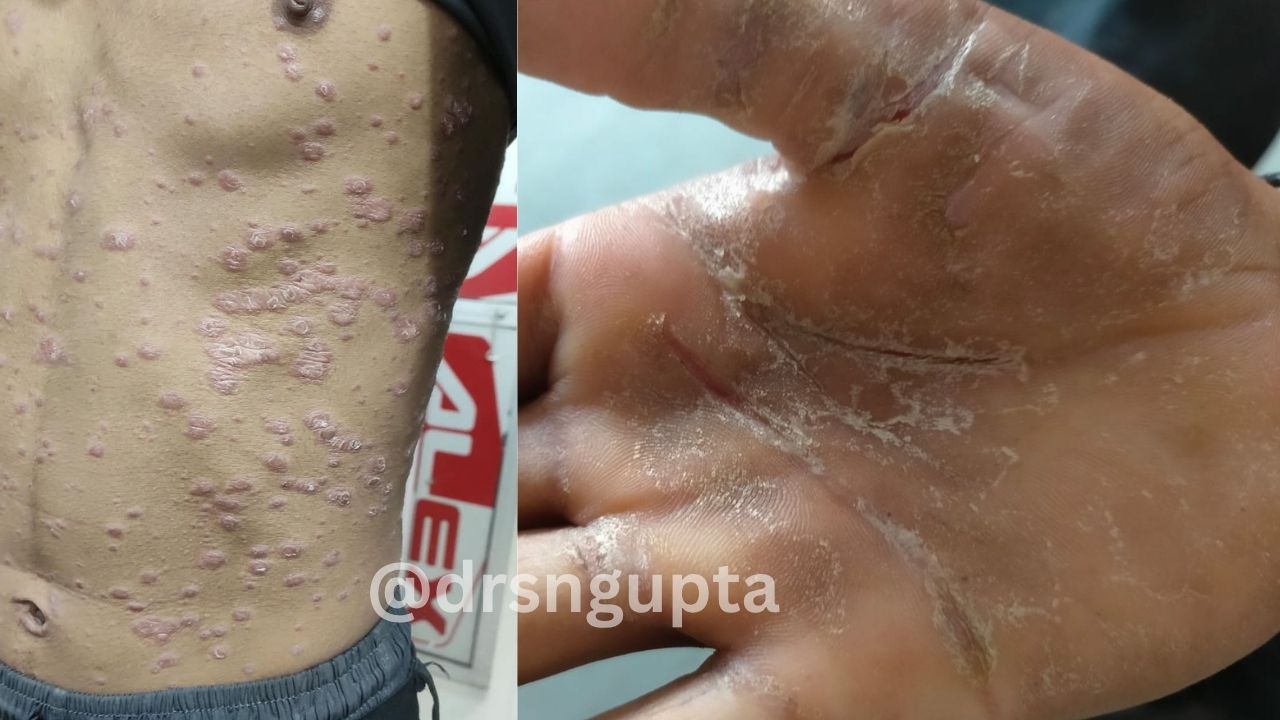
- Plaque Psoriasis (Psoriasis Vulgaris): The most common form, accounting for about 80% to 90% of cases. It appears as raised, red patches covered with a silvery-white buildup of dead skin cells (scale). These are commonly found on the elbows, knees, scalp, and lower back.
- Guttate Psoriasis: Often triggered by a bacterial infection like strep throat, this type manifests as small, drop-shaped, scaly spots on the trunk, arms, or legs.
- Inverse Psoriasis: This type occurs in skin folds, such as the armpits, under the breasts, or in the groin. Because these areas are sensitive and prone to friction, the skin is usually bright red and smooth rather than scaly.
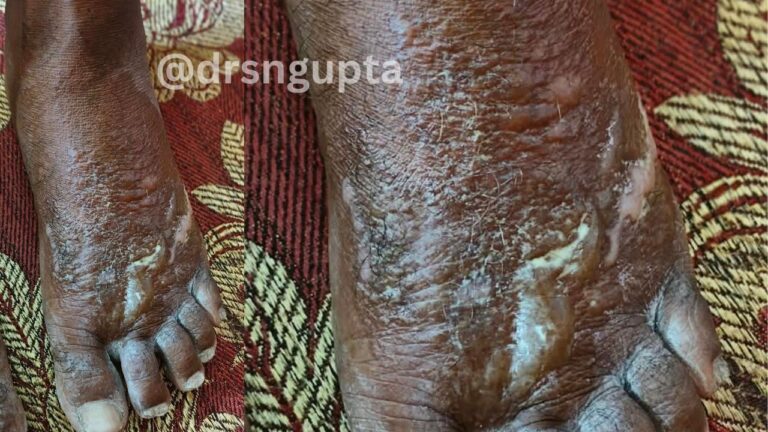
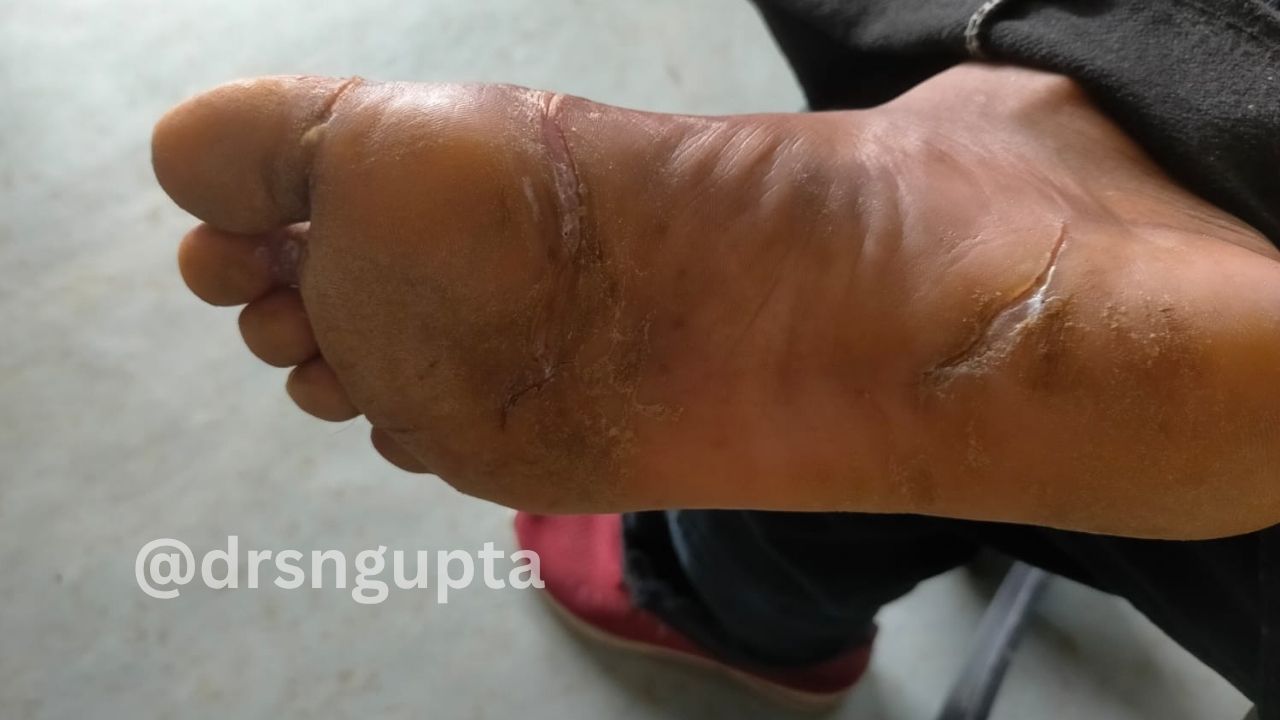
- Pustular Psoriasis: A rare and severe form characterized by white blisters of non-infectious pus surrounded by red skin. It can be localized to the hands and feet or cover large areas of the body.
- Erythrodermic Psoriasis: This is a medical emergency. It covers most of the body with a red, peeling rash that can cause severe itching and pain, potentially disrupting the body’s ability to regulate temperature.
- Psoriatic Arthritis: Up to 30% of people with skin psoriasis develop psoriatic arthritis, which causes joint pain, stiffness, and swelling. It is crucial to monitor joint health, as early treatment can prevent permanent joint damage.
The “Why”: Causes and Triggers
While the exact cause of psoriasis remains a subject of intense research, scientists agree that it is a combination of genetics and immune system dysfunction. It is not contagious—you cannot “catch” psoriasis from someone else.
Instead, think of the immune system as a security guard. In psoriasis, that guard becomes overactive, mistakenly attacking healthy skin cells. This inflammation leads to the rapid turnover of skin. Several factors can act as “flares” to trigger or worsen this activity:
- Stress: High levels of stress are among the most common triggers, often creating a cycle where stress causes a flare, and the flare causes more stress.
- Infections: Bacterial or viral infections, particularly strep throat, are frequent triggers for guttate psoriasis.
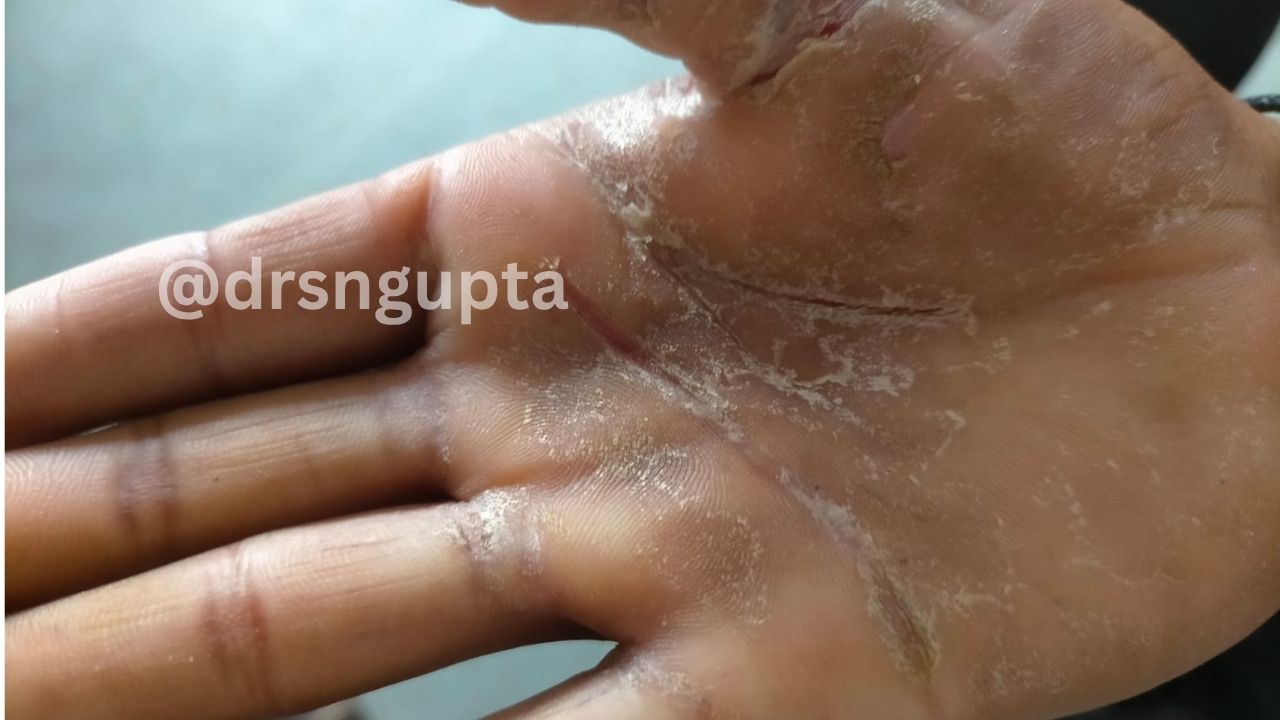
- Skin Injury: The “Koebner phenomenon” occurs when psoriasis flares up at the site of a skin injury, such as a cut, scrape, sunburn, or even a tattoo.
- Medications: Certain drugs, including lithium, antimalarial medications, and beta-blockers, have been linked to psoriasis outbreaks.
- Lifestyle Factors: Smoking and excessive alcohol consumption are known to increase the severity of the disease and make treatments less effective.
Navigating the Treatment Landscape
Because psoriasis is a systemic (whole-body) disease, treatment is generally categorized into three tiers based on the severity of the condition.
1. Topical Treatments
For mild to moderate psoriasis, doctors usually start with topicals.
- Corticosteroids: These are the most common treatments, used to reduce inflammation and itching.
- Vitamin D Analogues: These slow down the excessive production of skin cells.
- Retinoids: Derived from Vitamin A, these help normalize cell growth.
- Salicylic Acid: Often used to help remove the thick scale, making other treatments more effective.
2. Phototherapy (Light Therapy)
Phototherapy involves exposing the skin to controlled amounts of natural or artificial UV light. This treatment is done under medical supervision and is highly effective for moderate to severe cases that don’t respond to topicals alone.
3. Systemic and Biologic Medications
For severe cases, systemic medications that work from the inside out are necessary.
- Oral Medications: Drugs like Methotrexate or Cyclosporine suppress the overactive immune system.
- Biologics: These are the “game-changers” of modern psoriasis treatment. Biologics are laboratory-engineered proteins that target specific parts of the immune system responsible for the inflammation. By “switching off” these specific pathways, they can provide near-complete skin clearance for many patients.
- JAK Inhibitors: A newer class of oral medications that block signals inside cells to reduce inflammation.
Living Well with Psoriasis: Beyond Medicine
Treatment is only one part of the equation. Managing psoriasis also involves daily lifestyle choices that protect the skin and support overall health.
- The Power of Hydration: Keeping the skin moisturized is vital. Thick ointments and creams lock in moisture and can help reduce the appearance of plaques.
- Gentle Hygiene: Use fragrance-free, hypoallergenic soaps and lukewarm water. Hot water can strip the skin of natural oils and worsen dryness.
- Mental Health Awareness: Living with a visible, chronic condition can take a toll on mental health. Anxiety and depression are more common among people with psoriasis. Seeking support groups or counseling is just as important as applying medication.
- Anti-Inflammatory Nutrition: While there is no “psoriasis diet,” many patients find that a heart-healthy, anti-inflammatory diet rich in omega-3 fatty acids (like fish and flaxseed) and low in processed sugars helps keep systemic inflammation in check.
Conclusion: A Future of Hope
The landscape of psoriasis treatment has shifted dramatically over the past two decades. We have moved from simple topical applications to precise, targeted biologic therapies that can transform the lives of patients who previously struggled with widespread, painful plaques.
If you suspect you have psoriasis, do not settle for over-the-counter remedies or self-diagnosis. A board-certified dermatologist can accurately diagnose the type of psoriasis you have and guide you toward a treatment plan that fits your lifestyle. Remember, psoriasis is a lifelong companion, but with proper care and scientific advancement, it does not have to define your life.
Disclaimer: This article is for educational purposes only and does not constitute professional medical advice, diagnosis, or treatment. Always consult with your healthcare provider for any questions regarding your health.

Dr. S. N. Gupta is a renowned skin specialist and dermatologist in Prayagraj, with extensive experience in diagnosing and treating various skin, hair, nail and Sexually Transmitted Diseases conditions for last 28 years. Address Shree Balaji Medical Traffic Chauraha, Rajapur Prayagraj Mob 9415613743