Book Appointment Now
Understanding Eczema: Navigating the Complexities of Dermatitis
Eczema, a term often used interchangeably with dermatitis, is one of the most prevalent skin conditions globally. It is not merely a single disease but a spectrum of inflammatory skin disorders characterized by red, itchy, and irritated skin. For the millions of people living with it, eczema is more than a superficial issue; it is a chronic condition that can significantly impact sleep, mental health, and daily productivity. Understanding the nature of eczema—its causes, types, and management strategies—is the first step toward reclaiming comfort and skin health.
What Exactly is Eczema?
At its core, eczema represents an overreaction of the immune system to certain triggers. In individuals with healthy skin, the skin barrier functions as a sturdy wall, locking in moisture and keeping out allergens, bacteria, and irritants. In individuals with eczema, this barrier is often compromised. A defect in the skin barrier—often linked to genetic mutations like the loss of filaggrin, a protein essential for skin structure—allows moisture to escape and environmental threats to enter, leading to inflammation and the characteristic “itch-scratch cycle.”
The itch (pruritus) is the hallmark symptom of eczema. Scratching provides temporary relief but ultimately damages the skin further, leading to more inflammation, weeping, crusting, or thickening of the skin (lichenification).
The Various Faces of Dermatitis
Dermatitis is a broad category, and “eczema” is typically used to refer to several specific types. Distinguishing between them is vital for effective treatment.
1. Atopic Dermatitis
This is the most common and chronic form of eczema. It often begins in childhood and is closely linked to other “atopic” conditions like asthma and hay fever. It typically appears in skin folds—such as the inside of the elbows, behind the knees, and on the neck—though it can manifest anywhere on the body.
2. Contact Dermatitis
This occurs when the skin reacts to a specific substance. It is divided into two types:
- Irritant Contact Dermatitis: Caused by frequent exposure to harsh chemicals, soaps, detergents, or even prolonged water exposure, which strips the skin of its protective oils.
- Allergic Contact Dermatitis: Occurs when the immune system mounts a delayed allergic reaction to a substance, such as nickel, fragrances, preservatives, or latex.
3. Dyshidrotic Eczema
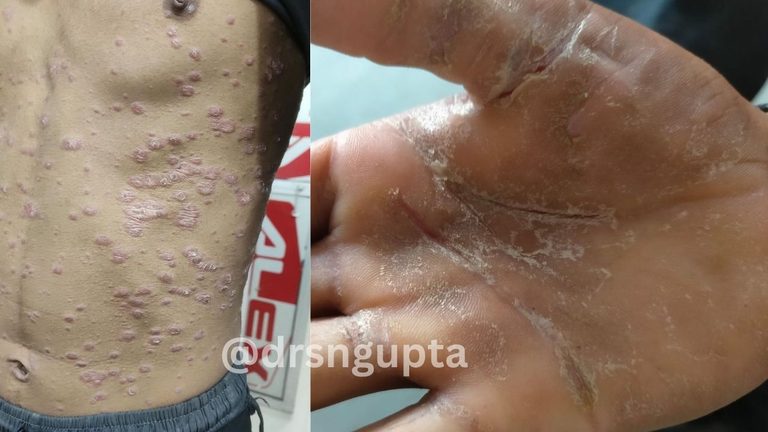
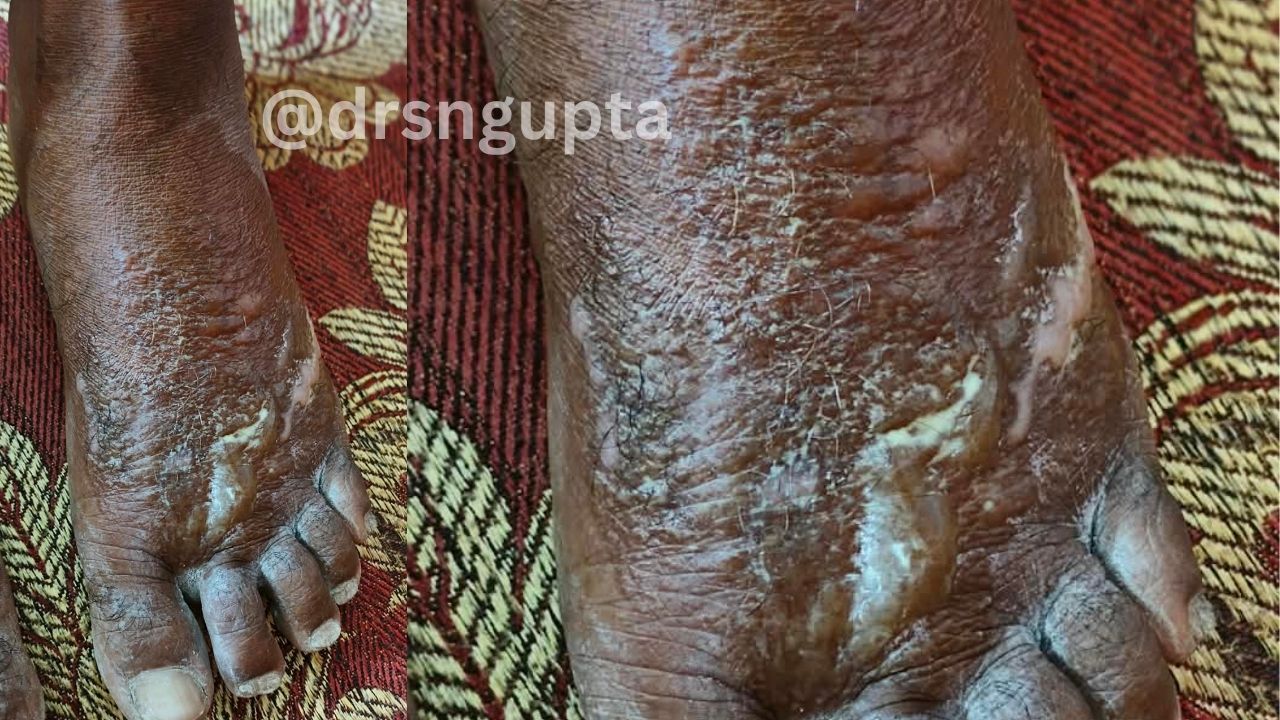
This type manifests as small, intensely itchy, fluid-filled blisters, primarily on the palms of the hands, soles of the feet, and the edges of the fingers. It is often triggered by stress, seasonal changes, or contact with certain metals.
4. Nummular Eczema
Characterized by coin-shaped spots of irritated skin, nummular eczema can be extremely dry, itchy, or scaly. It is often more common in adults and can sometimes be mistaken for fungal infections or ringworm.
5. Seborrheic Dermatitis
Commonly known as “cradle cap” in infants or “dandruff” in adults, this type affects oily areas of the body, such as the scalp, sides of the nose, eyebrows, and chest. It is often linked to an overgrowth of a yeast called Malassezia.
Understanding the Triggers
Eczema is rarely caused by a single factor. Instead, it is usually a “perfect storm” of genetics, immune system function, and environmental stressors. Identifying individual triggers is a crucial part of management. Common culprits include:
- Environmental Irritants: Wool, synthetic fabrics, harsh laundry detergents, and soaps.
- Allergens: Pollen, pet dander, dust mites, and certain food sensitivities.
- Climate Factors: Low humidity in winter can dry out the skin, while excessive heat and sweat in summer can trigger flares.
- Emotional Stress: Psychological stress is a well-documented trigger for inflammation, often leading to a worsening of symptoms.
- Hormonal Changes: Many women experience flares linked to their menstrual cycles or pregnancy.
The Management Strategy: A Multi-Pronged Approach
While there is no known “cure” for most forms of eczema, it is highly manageable. A comprehensive approach focuses on restoring the skin barrier and calming the immune response.
1. The Power of Moisturizing (The First Line of Defense)
The most fundamental treatment for any form of eczema is aggressive hydration. Using thick creams or ointments (rather than lotions, which have high water content) helps to seal moisture into the skin. Ingredients like ceramides, petrolatum, and shea butter are excellent for repairing the lipid barrier. Applying moisturizer within three minutes of showering—the “soak and seal” method—is the gold standard.
2. Topical Medications
When moisturizing is insufficient, doctors often prescribe topical treatments:
- Corticosteroids: These reduce inflammation and itching. They come in varying strengths and must be used as directed to avoid side effects like skin thinning.
- Calcineurin Inhibitors: These are non-steroidal medications that help calm the immune system without the risk of skin thinning, making them useful for sensitive areas like the face or eyelids.
3. Advanced Therapies
For moderate-to-severe cases that do not respond to topicals, modern medicine offers:
- Phototherapy: Controlled exposure to specific wavelengths of ultraviolet (UV) light can help suppress the overactive immune cells in the skin.
- Biologics and JAK Inhibitors: These are newer, targeted therapies that work systemically to block specific pathways in the immune system that drive the inflammation associated with atopic dermatitis.
4. Lifestyle Adjustments
- Gentle Cleansing: Avoid hot showers, which strip natural oils. Use lukewarm water and soap-free, fragrance-free cleansers.
- Stress Management: Incorporating mindfulness, yoga, or therapy can help break the cycle of stress-induced flares.
- Identifying Allergens: Keeping a diary of flares can help pinpoint specific environmental or dietary triggers that may need to be eliminated.
Conclusion: Living Well with Eczema
Living with eczema requires patience and persistence. Because the condition is chronic, treatment is not a “one-and-done” affair but rather a long-term commitment to skin care. It is essential to work closely with a board-certified dermatologist to develop a personalized plan that evolves as your skin’s needs change.
While the physical discomfort of eczema is significant, it is equally important to acknowledge the emotional toll. Chronic itching and visible rashes can lead to anxiety and social withdrawal. If you or a loved one are struggling, remember that you are not alone. With the right combination of daily maintenance, targeted medical treatment, and a proactive approach to identifying triggers, the vast majority of people with eczema can lead healthy, active, and comfortable lives.
Disclaimer: This article is for informational purposes only and does not constitute medical advice, diagnosis, or treatment. Always seek the advice of a qualified healthcare provider with any questions regarding a medical condition.

Dr. S. N. Gupta is a renowned skin specialist and dermatologist in Prayagraj, with extensive experience in diagnosing and treating various skin, hair, nail and Sexually Transmitted Diseases conditions for last 28 years. Address Shree Balaji Medical Traffic Chauraha, Rajapur Prayagraj Mob 9415613743