Book Appointment Now
Keloids : Causes, Symptoms, and Advanced Treatment Options -Dr S.N.Gupta
When the human body undergoes an injury, the natural healing response involves producing scar tissue to repair the breach. For most people, this process settles down once the wound is closed. However, for individuals prone to keloids, the healing mechanism goes into overdrive.
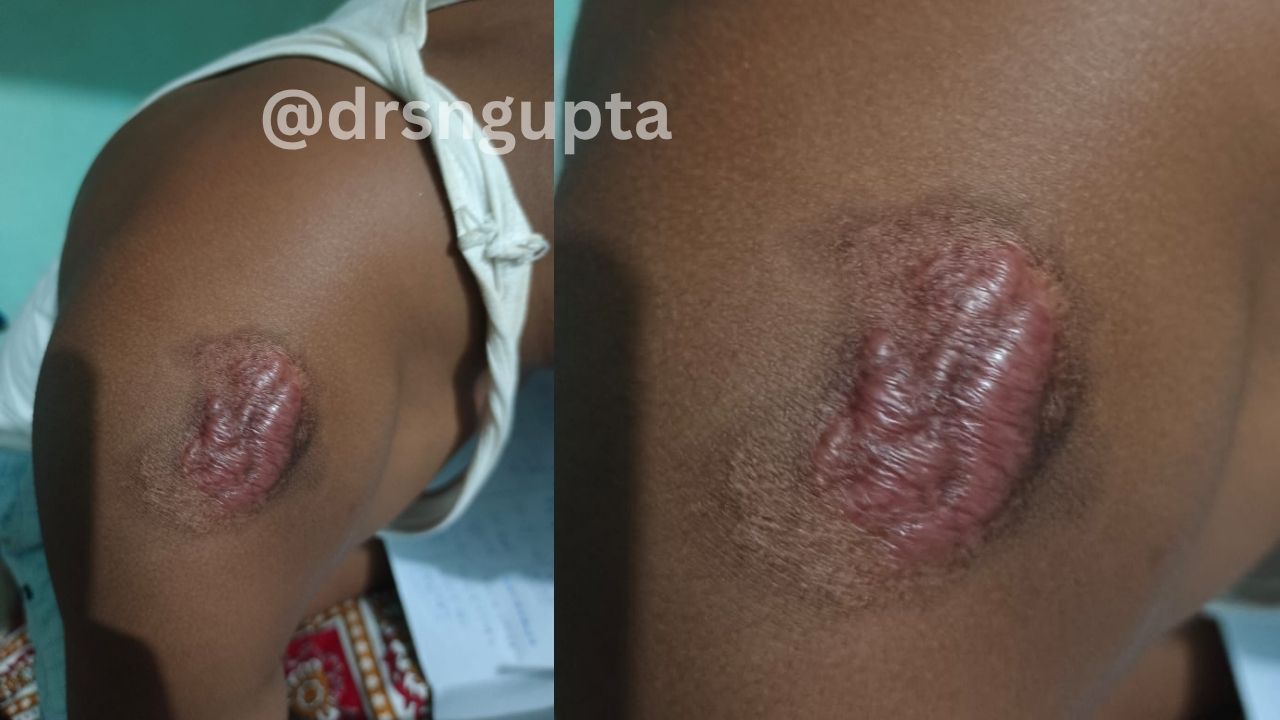
A keloid is an overgrown, raised scar that expands far beyond the original boundaries of the initial skin injury. Unlike normal scars that tend to fade and flatten over time, keloids are persistent, can continue growing for months or years, and are notoriously difficult to treat permanently.
This comprehensive guide explores everything you need to know about keloids, including their underlying causes, symptoms, professional treatment options, and why prevention is your best line of defense.
What Is a Keloid?
A keloid is a dense, benign fibrous growth composed primarily of tough collagen proteins. When the skin is injured, specialized cells called fibroblasts produce collagen to patch the wound. In keloid formation, these fibroblasts fail to receive the signal to stop producing collagen, resulting in a thick, rubbery, or firm tumor-like mass of scar tissue.
Key Characteristics of Keloids:
- Exceeds Wound Boundaries: The defining clinical feature of a keloid is that it grows well outside the borders of the original cut, piercing, or burn.
- Texture and Appearance: They often feel firm, rubbery, or hard to the touch. Their color varies depending on skin tone, starting out pink, red, or purple, and eventually maturing into a darker brown or flesh-colored hue.
- Symptom Profile: While non-cancerous, keloids can cause physical discomfort, including chronic itching, tenderness, tightness, or a burning sensation.
Common Locations on the Body
Keloids can form anywhere on the skin, but they show a strong biological preference for areas subjected to high skin tension:
- The chest and upper back (sternal area)
- Shoulders and upper arms
- Earlobes (frequently triggered by piercings)
- The jawline and cheeks (often following severe cystic acne)
What Causes Keloids?
The exact biological trigger that causes a normal wound to transform into an aggressive keloid remains a complex subject of ongoing dermatological research. However, medical science has identified several definitive risk factors and biological mechanisms:
1. Trauma and Skin Injury
Keloids are always preceded by a break in the skin barrier. Common triggers include:
- Piercings and Tattoos: Earlobe piercings are among the most frequent culprits.
- Surgical Incisions: Even routine operations or cosmetic procedures can trigger keloid formation.
- Severe Acne and Chickenpox: Deep inflammatory blemishes can leave behind keloidal scars.
- Burns and Scratches: Any deep abrasion or thermal injury.
2. Genetic Predisposition and Family History
Genetics play a monumental role in keloid development. Individuals with a direct family history of keloids are significantly more likely to develop them. Furthermore, researchers have identified specific genetic markers linked to abnormal fibroblast regulation and collagen overproduction.
3. Skin Type and Ethnicity
Keloids can affect anyone, but they occur with notably higher frequency in individuals with darker skin phototypes, including people of African, Hispanic, and Asian descent. They are most commonly diagnosed in individuals between the ages of 10 and 30, while they are relatively rare in infants and older adults.
4. High Skin Tension Areas
Wounds located over joints or areas where skin is constantly pulled and stretched (such as the chest and shoulders) experience mechanical tension, which stimulates fibroblasts to churn out excess collagen.
Keloids vs. Hypertrophic Scars
It is very common for people to confuse keloids with hypertrophic scars, but understanding the difference is critical because their treatment paths are entirely different:
- Hypertrophic Scars: These are also raised and red, but they remain strictly confined within the boundaries of the original wound. They often improve and flatten out naturally over 12 to 24 months without aggressive medical intervention.
- Keloids: These grow aggressively outside the original wound margins, rarely regress on their own, and frequently recur even after physical removal if proper combination therapy is not used.
Professional Treatment Options: Navigating Complex Care
Treating keloids is notoriously challenging because aggressive surgical removal alone (without secondary treatment) carries a high risk of triggering an even larger keloid to grow back in its place. Successful management typically requires a multimodal, combination approach overseen by an experienced dermatologist or plastic surgeon.
1. Corticosteroid Injections (Intralesional Steroids)
This is widely considered the first-line, gold-standard treatment for most keloids. A doctor injects a specialized corticosteroid (such as triamcinolone acetonide) directly into the scar tissue every few weeks.
- How it works: The steroid dampens inflammation, suppresses fibroblast activity, and breaks down excessive collagen bonds, causing the keloid to flatten and soften significantly over a series of sessions.
2. Cryotherapy (Freezing)
Liquid nitrogen is applied directly to the base or surface of the keloid, freezing the tissue from the inside out.
- How it works: Freezing causes vascular damage to the keloid, cutting off its blood supply and causing the tissue to necrose and shed. It is frequently combined with steroid injections for enhanced flattening.
3. Laser Therapy
Advanced vascular lasers, such as the Pulsed Dye Laser (PDL) or fractional lasers, target the microscopic blood vessels feeding the keloid.
- How it works: By cutting off the blood supply, lasers reduce redness, flatten the scar texture, and relieve uncomfortable itching and pain.
4. Surgical Excision (Combined with Radiation or Steroids)
For massive or stubborn keloids that fail non-invasive therapies, surgical removal may be necessary.
- Crucial Caveat: To prevent the keloid from returning larger than before, surgery is almost always immediately followed by superficial radiation therapy (SRT) or localized steroid injections within 24 to 48 hours to neutralize active fibroblasts.
5. Silicone Sheets and Pressure Therapy
Medical-grade silicone gel sheets or pressure earrings (frequently used after earlobe keloid removal) apply continuous mechanical pressure and hydration to the scar tissue, helping to prevent recurrence post-procedure.
Why You Should Never Attempt DIY Keloid Removal
When faced with an unsightly or uncomfortable keloid, the temptation to handle it at home can be strong. However, attempting to cut, tie off, or burn a keloid at home is extremely dangerous.
The Dangers of At-Home Treatment:
- Triggering Larger Growth: Any physical trauma to a keloid—such as slicing it with a blade or tying string around its base—signals the body’s fibroblasts to produce an even more aggressive surge of collagen. You risk ending up with a keloid twice the size of the original.
- Severe Infection and Bleeding: Keloids possess rich blood supplies and thick tissue matrices. Home removal methods invite severe bacterial infections, abscesses, and prolonged, uncontrolled bleeding.
- Permanent Disfigurement: DIY attempts frequently leave behind deep, disfiguring scars, chronic pain, and permanent skin discoloration.
Prevention and Lifestyle Strategies
If you know you are prone to keloids or have a family history of them, prevention is your absolute best defense:
- Avoid Non-Essential Piercings and Tattoos: If you have developed keloids in the past, think twice before getting new body piercings or tattoos, especially on high-risk areas like the chest, shoulders, or upper ears.
- Consult a Doctor Before Planned Surgeries: Inform your surgeon of your keloid history prior to any elective or necessary operations so they can utilize specialized tension-reducing closure techniques or plan postoperative steroid/radiation protocols.
- Treat Acne Aggressively: Keep facial and body acne under strict control with professional dermatological care to prevent deep inflammatory lesions from forming scar tissue.
- Use Silicone Gel Early: If you experience a minor cut or surgical incision, apply medical-grade silicone sheets or gels as soon as the wound is fully closed to minimize abnormal scar maturation.
When to See a Dermatologist
Schedule an appointment with a board-certified dermatologist or plastic surgeon if:
- A raised scar continues to grow outward past the original boundaries of a wound.
- The scar causes chronic, disruptive pain, tenderness, severe itching, or restricts movement if located near a joint.
- A growth on your skin changes rapidly or causes significant emotional distress.
Frequently Asked Questions (FAQs)
Are keloids a form of skin cancer?
No. Keloids are entirely benign (non-cancerous) growths of fibrous scar tissue. They do not transform into skin cancer, nor do they spread to other organs in the body.
Can keloids go away completely on their own?
Rarely. Unlike hypertrophic scars that often flatten over a couple of years, true keloids almost never disappear without medical treatment. In fact, without professional intervention, they tend to persist indefinitely and can slowly expand over time.
Do keloids always grow back after removal?
If a keloid is surgically cut out without any follow-up treatment, the recurrence rate is exceptionally high—often between 50% and 100%. However, when surgery is combined with modern adjuvant therapies like superficial radiation therapy or serial corticosteroid injections, the recurrence rate drops dramatically.
The Takeaway
Keloids are stubborn, complex scars driven by an overactive healing response and genetic predisposition. While they can be frustrating, emotionally taxing, and physically uncomfortable, modern dermatology offers an array of effective treatments to flatten, soften, and manage them. If you are struggling with a keloid, skip the dangerous home remedies and partner with a board-certified dermatologist to develop a tailored, multimodal treatment plan designed for long-term success.
Dr. S. N. Gupta is a renowned skin specialist and dermatologist in Prayagraj, with extensive experience in diagnosing and treating various skin, hair, nail and Sexually Transmitted Diseases conditions for last 28 years. Address Shree Balaji Medical Traffic Chauraha, Rajapur Prayagraj Mob 9415613743