Book Appointment Now
Fordyce Spots: Causes, Symptoms, and Safe Treatment – Dr S. N. Gupta
Fordyce spots are tiny, harmless, visible oil glands that commonly appear on the lips, inside the mouth, and on the genitals. They are not an infection, not contagious, and usually need no treatment—though cosmetic options exist if they bother you.
This guide explains what Fordyce spots are, how to recognize them, what causes them, how they differ from STIs and other look‑alikes, and what safe, evidence‑based treatment and removal options are available in 2026. It’s written to be clear, reassuring, and useful for anyone searching “Fordyce spots,” “Fordyce spots on lips,” or “Fordyce spots on penis/vulva.”
What Are Fordyce Spots?
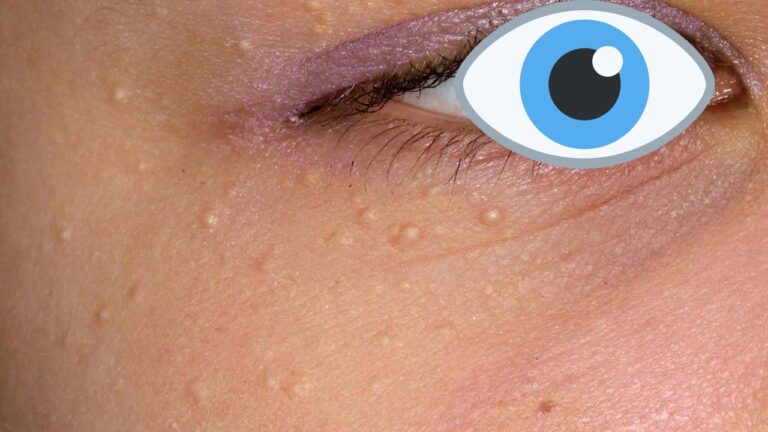
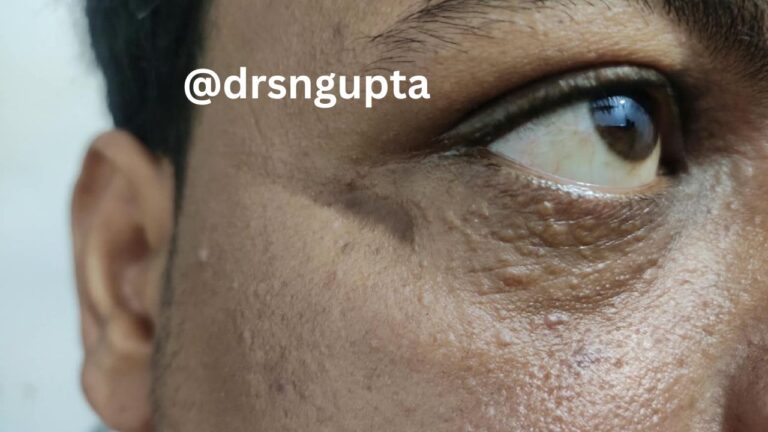
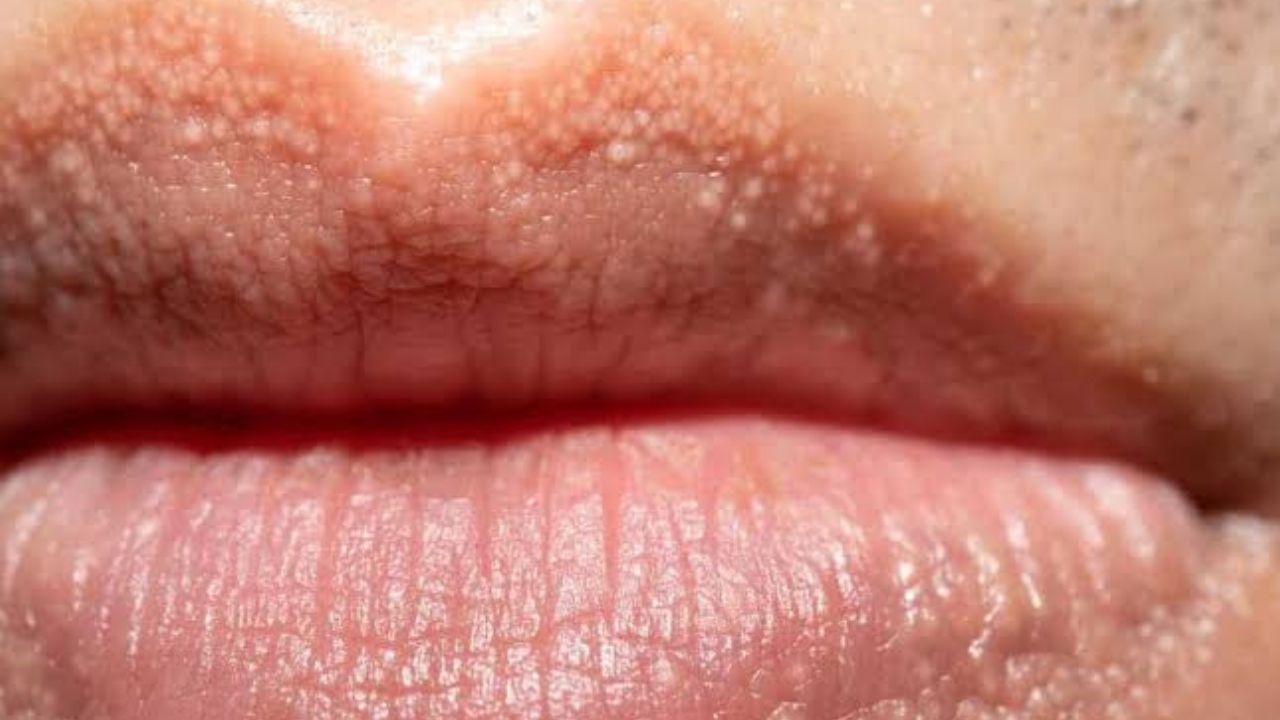
Fordyce spots (also called Fordyce granules) are ectopic sebaceous glands—normal oil‑producing glands that sit in skin or mucosal areas without an associated hair follicle, making them visible as small bumps. They typically look like 1–3 mm pale yellow, white, or skin‑colored granules that may appear in clusters.
Common locations include:
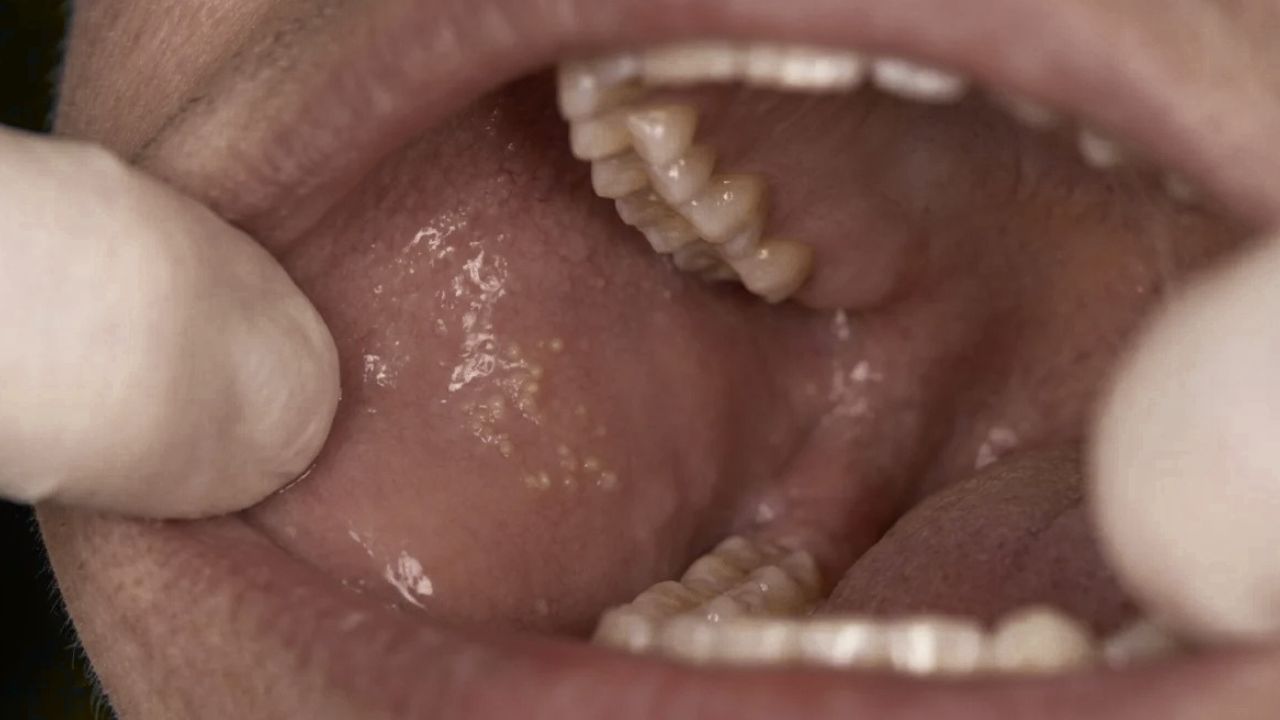
- The vermilion border of the lips and inner cheeks (oral Fordyce spots)
- The genitals: shaft of the penis, scrotum, labia, and sometimes the vulvar vestibule.
- Less commonly, other mucosal or semi‑mucosal areas.
They are a normal anatomical variant found in an estimated 70–80% of adults and are considered benign (non‑cancerous) and non‑diseased.
Causes and Risk Factors: Why Do Fordyce Spots Appear?
Fordyce spots are not caused by poor hygiene, diet, sexual activity, or anything you “did wrong.” They arise from natural variation in where sebaceous glands develop and how visible they are.
- Genetics: Family patterns are common, especially in people with oilier skin phenotypes.
- Hormonal changes: Spots often become more noticeable after puberty, during pregnancy, or with other hormonal shifts that enlarge oil glands and increase sebum production.
- Anatomic variation: Some people simply have more sebaceous glands in lip or genital mucosa, making them more visible.
There is no known infectious agent or environmental toxin that causes Fordyce spots, and they are not linked to any systemic disease.
Symptoms and Appearance: What Do Fordyce Spots Look Like?
Fordyce spots are typically:
- Small: about 1–3 mm in diameter.
- Color: pale yellow, white, or skin‑colored; sometimes slightly translucudes.
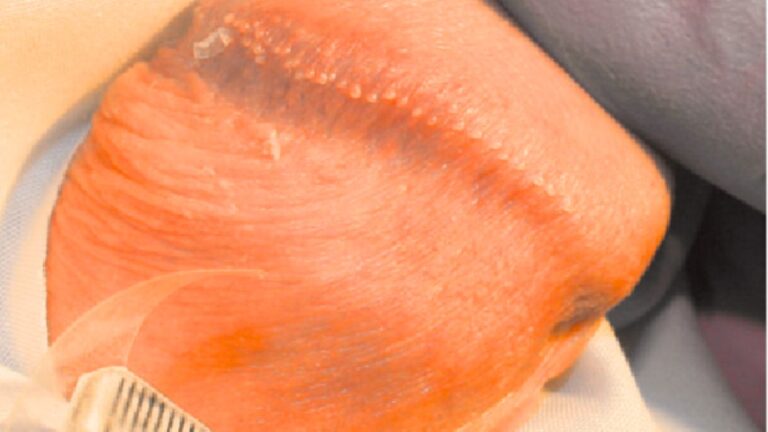
- Texture: smooth, dome‑shaped bumps that may appear in groups or lines.
- Sensation: painless, non‑itchy, and non‑bleeding under normal circumstances.
On the lips, they often line the border between the lip and surrounding skin. In the mouth, they can dot the inner cheeks. On the genitals, they may appear along the shaft, scrotum, or labia and can be mistaken for warts or other conditions by those unfamiliar with them.
Because they’re stable, symmetrical, and asymptomatic, Fordyce spots usually cause no health problems—only cosmetic concern or anxiety due to their appearance.
Are Fordyce Spots Contagious or an STD?
No. Fordyce spots are not sexually transmitted infections (STIs/STDs) and are not contagious. They cannot be passed to a partner through sexual contact, kissing, or any other form of physical contact because they are simply visible oil glands, not an infection.
This is a crucial point: many people worry they have an STI when they first notice genital or lip bumps. While it’s always wise to get unfamiliar bumps checked if you’re unsure, Fordyce spots themselves do not indicate infection and do not require partner notification or abstinence.
Fordyce Spots vs. Look‑Alikes: How to Tell the Difference
Fordyce spots can resemble other benign or infectious conditions. Correct identification matters because some look‑alikes need treatment or are contagious.
Common conditions that can be confused with Fordyce spots
- Genital warts (HPV): Often flesh‑colored or gray, may have a rough/cauliflower surface, can grow and cluster irregularly, and are contagious.
- Herpes (HSV): Typically presents as painful, fluid‑filled blisters that ulcerate and crust; outbreaks recur and are contagious.
- Molluscum contagiosum: Small, firm, dome‑shaped bumps with a central dimple; contagious via skin contact.
- Pearly penile papules: Tiny, smooth, flesh‑colored bumps arranged in rows around the corona of the penis; benign and non‑contagious, but distinct in location and pattern.
- Folliculitis: Inflamed hair follicles that can be red, tender, or pustular; often linked to shaving or friction.
- Angiokeratoma of Fordyce: Benign vascular spots that are dark red to purple/blue‑black and may bleed with friction; different color and behavior from classic Fordyce spots.
Practical clues that suggest Fordyce spots
- Long‑standing, stable bumps that don’t rapidly change.
- Uniform size and color, often in symmetrical clusters.
- No pain, itching, discharge, or ulceration.
- Onset around puberty or gradual visibility over time, not sudden outbreak.
If you’re uncertain, a clinician can usually diagnose Fordyce spots by examination alone; biopsy is rarely needed.
Diagnosis: When to See a Doctor
Most Fordyce spots need no medical workup. However, see a healthcare provider or dermatologist if:
- Bumps are painful, itchy, bleeding, or rapidly changing in size/color.
- You notice ulceration, discharge, or new clusters after a specific sexual exposure.
- The appearance is atypical (e.g., dark red/purple lesions that bleed easily, which could suggest angiokeratomas).
- You feel significant anxiety or the spots affect your quality of life and you want treatment options.
A professional exam can rule out STIs and other conditions, provide reassurance, and discuss safe cosmetic treatments if desired.
Do Fordyce Spots Go Away on Their Own?
Fordyce spots are chronic and generally do not disappear spontaneously once they become visible. They may become less noticeable with age in some people as oil gland activity changes, but many adults retain them lifelong. Because they’re harmless, “watchful waiting” is the standard medical advice unless cosmetic concerns drive treatment.
Treatment and Removal Options: What Actually Works
Medical treatment is not required for Fordyce spots. When people seek removal, it’s almost always for cosmetic reasons. Effective options exist, but they should be performed by experienced clinicians to minimize scarring, pigment changes, or recurrence.
1) Topical prescription retinoids (e.g., tretinoin)
- How it works: Retinoids normalize skin cell turnover and can gradually reduce the prominence of sebaceous glands.
- What to expect: Slow fading over 3–6 months with nightly application of low‑strength tretinoin (e.g., 0.025–0.1%), avoiding mucous membranes if irritation occurs.
- Pros: Non‑invasive, relatively low cost, can be tried first for lip/oral spots under guidance.
- Cons: Results are gradual and modest; irritation, dryness, or peeling can occur; not ideal for sensitive genital mucosa without specialist advice.
2) Laser therapies
- CO2 laser ablation: A precise laser that vaporizes the superficial gland tissue. Reported single‑session clearance rates can exceed 90% in expert hands.
- Pulsed dye laser (PDL) and other vascular/ablative lasers: Sometimes used depending on skin type and location.
- Pros: High clearance, quick results, good for clustered spots on lips or genitals when performed by specialists.
- Cons: Cost, downtime, risk of post‑inflammatory hyperpigmentation (PIH) especially in darker skin tones, and potential for recurrence or scarring if over‑treated.
3) Electrocautery / electrosurgery
- How it works: Controlled heat destroys the gland tissue.
- Pros: Effective for small clusters; widely available in dermatology/aesthetic clinics.
- Cons: Similar risks to laser (PIH, scarring), requires skilled operator, especially on mucosal surfaces.
4) Micro‑punch surgery
- How it works: Tiny punches remove individual glands; often used for prominent spots.
- Pros: Targeted removal with histologic confirmation if needed.
- Cons: More invasive than laser for multiple spots; potential for pinpoint scarring.
5) Cryotherapy (freezing)
- Occasionally used, but less favored on mucosal areas due to blistering and pigment risks.
What not to do
- Do not pick, squeeze, or try to “pop” Fordyce spots—this can cause infection, scarring, and worsened appearance.
- Avoid harsh DIY acids, bleaching agents, or unregulated “removal” creams marketed online; these can burn mucosal tissue and lead to long‑term damage.
- Be cautious with genital treatments: mucosal skin is more prone to complications, so specialist care is essential.
Costs vary widely by region and provider. Laser and procedural options are typically considered cosmetic and may not be covered by insurance.
Home Care and Lifestyle Tips
Because Fordyce spots are benign, day‑to‑day care focuses on skin health and avoiding irritation:
- Gentle cleansing: Use mild, non‑fragranced cleansers on lips and genital skin; avoid scrubbing.
- Moisturize: For lip borders, a simple, non‑comedogenic balm can reduce the appearance of dryness that makes spots more obvious.
- Sun protection: On the lips, SPF lip balms help prevent overall lip damage and color contrast that can highlight spots.
- Shaving/friction: If genital spots seem more noticeable after shaving, consider gentler hair removal methods to reduce irritation (though shaving doesn’t cause Fordyce spots).
- Manage anxiety: Knowing they’re normal and non‑contagious often reduces distress; if worry persists, a single dermatology visit can provide lasting reassurance.
There’s no proven diet, supplement, or detox that removes Fordyce spots. Claims otherwise are not evidence‑based.
Special Considerations: Skin of Color and Sensitive Areas
People with darker skin tones have a higher risk of post‑inflammatory hyperpigmentation (PIH) after lasers, cautery, or aggressive topicals. If you have skin of color:
- Seek a dermatologist experienced with your skin type.
- Discuss test spots, conservative settings, and pre/post‑treatment pigment‑safe protocols.
- Consider starting with low‑strength topical retinoids under supervision before procedural options.
Genital mucosa is more delicate than facial skin. Procedures here demand extra caution to avoid scarring, dyspigmentation, or sexual discomfort.
Frequently Asked Questions (FAQ)
Are Fordyce spots dangerous?
No. They are benign, non‑cancerous, and not linked to systemic disease.
Can Fordyce spots spread to my partner?
No. They are not contagious and not an STI.
Do Fordyce spots mean I have poor hygiene?
No. They are unrelated to hygiene, diet, or sexual behavior.
Will Fordyce spots go away without treatment?
Usually not. They tend to persist but remain harmless; some people notice them less over time.
What’s the best treatment for Fordyce spots on lips?
For cosmetic improvement, prescription tretinoin can gradually reduce visibility over months; CO2 laser offers faster, higher clearance in a single session when performed by experts.
What’s the best treatment for Fordyce spots on the penis or vulva?
Same principles: no treatment is medically necessary. For cosmetic removal, CO2 laser, electrocautery, or micro‑punch by a specialist are options; topical retinoids are used cautiously on genital skin.
How can I tell Fordyce spots from genital warts?
Fordyce spots are uniform, smooth, painless, and stable; warts are often rougher, may grow irregularly, and are contagious. A clinician can differentiate quickly if you’re unsure.
Should I pop or squeeze Fordyce spots?
No. This can cause infection, scarring, and worse appearance.

Dr. S. N. Gupta is a renowned skin specialist and dermatologist in Prayagraj, with extensive experience in diagnosing and treating various skin, hair, nail and Sexually Transmitted Diseases conditions for last 28 years. Address Shree Balaji Medical Traffic Chauraha, Rajapur Prayagraj Mob 9415613743