Book Appointment Now
Pearly Penile Papules (PPP): What You Need to Know – Dr S. N. Gupta
Discovering any unexpected bumps, spots, or changes on intimate areas of the body can be a startling experience. For many individuals, noticing small, dome-shaped growths around the head of the penis triggers immediate concern or worry about a potential sexually transmitted infection (STI).
However, a very common and entirely harmless condition known as pearly penile papules (PPP) accounts for many of these occurrences.
What Are Pearly Penile Papules?
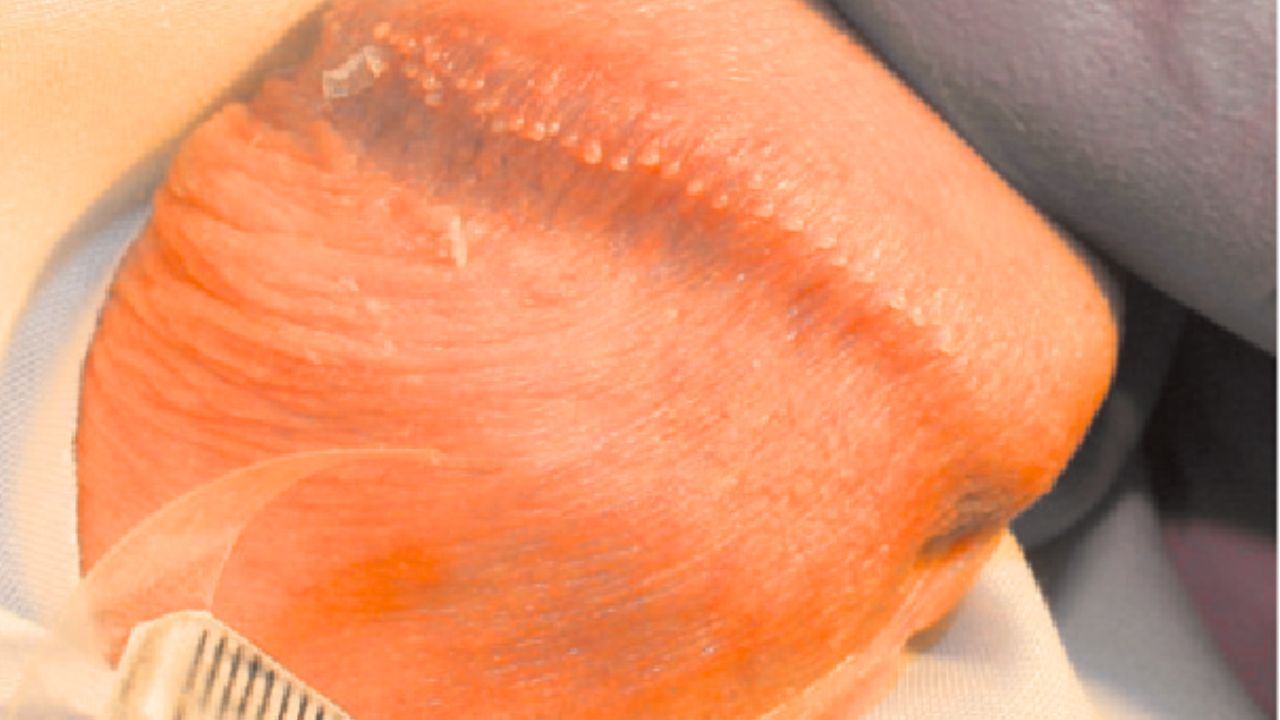
Pearly penile papules are small, benign (non-cancerous) growths that typically develop around the corona—the raised rim or crown circling the head (glans) of the penis.They frequently appear in one or more orderly rows and can resemble tiny pearls, white spots, or small pimples.
Key characteristics of PPP include:
- Appearance:Small, dome-shaped, thread-like, or filiform bumps.They can be white, skin-colored, yellowish, or pinkish.
- Size:Usually measuring between 1 to 2 millimeters in diameter and up to 4 millimeters in length (roughly the size of a grain of rice).
- Location:Most commonly localized to the corona of the glans, sometimes extending along the dorsal (top) side, and very rarely found on the shaft.
The condition is remarkably common, estimated to affect roughly 8% to 43% of males globally.They often emerge during or shortly after puberty and tend to become less noticeable or fade as men age.Statistics also indicate they are slightly more common in uncircumcised males.
Causes and Common Misconceptions
Medical experts categorize pearly penile papules as a normal anatomical variant rather than a disease or infection.
- Are they contagious? No. PPP are completely non-infectious. They cannot be spread through sexual contact or any other form of physical interaction.
- Are they caused by poor hygiene?Absolutely not. Cleanliness has no bearing on whether a person develops PPP.
- Are they related to STIs or cancer? No. They harbor zero malignant potential and share no connection with conditions like human papillomavirus (HPV) or genital warts.
PPP vs. Genital Warts: Knowing the Difference
Because pearly penile papules are frequently mistaken for genital warts (condyloma acuminata), many individuals experience unnecessary psychological distress, anxiety, or worry regarding relationship fidelity.
| Feature | Pearly Penile Papules (PPP) | Genital Warts (HPV) |
| Appearance | Uniform, smooth, dome-shaped or pearl-like bumps in neat rows. | Irregular, rough, cauliflower-like growths. |
| Distribution | Confined almost exclusively to the corona of the glans. | Can appear anywhere on the genitals, scrotum, anus, or thighs. |
| Nature | Harmless normal variant; non-viral. | Contagious viral infection caused by HPV. |
A healthcare professional, such as a primary care provider or dermatologist, can easily differentiate between the two.They often use a specialized magnifying tool called a dermatoscope to confirm a diagnosis quickly and accurately without invasive testing.
Do They Require Treatment?
From a purely medical standpoint, pearly penile papules require no treatment whatsoever.They do not cause physical pain, disrupt bodily functions, turn into cancer, or pose any long-term health risk.For many, simply receiving professional reassurance that the bumps are normal is entirely sufficient.
Cosmetic Removal Options
Despite being medically harmless, some individuals experience self-consciousness, aesthetic concern, or anxiety that impacts their psychological well-being or intimate life.In these situations, individuals may elect to have them removed for cosmetic reasons:
- Laser Therapy:Ablative lasers (such as carbon dioxide lasers) or pulsed dye lasers target and vaporize the tissue precisely with minimal scarring when performed by an expert.
- Cryotherapy:Liquid nitrogen is utilized to freeze and destroy the targeted papules.
- Electrocautery: Uses electric current to safely burn away the localized tissue.
A Warning Against Home Remedies
Because the skin of the penis is exceptionally sensitive and vascular, home treatments should never be attempted.Over-the-counter wart removers, acids (like lemon juice), toothpastes, or DIY scraping can lead to severe chemical burns, permanent scarring, secondary bacterial infections, and intense pain. Any removal procedure should strictly be handled by a qualified medical specialist.
If you notice any new bumps, sores, or changes in your genital region, it is always a sensible idea to schedule an evaluation with a healthcare provider.A professional diagnosis provides clarity, rules out contagious infections like STIs, and offers peace of mind.

Dr. S. N. Gupta is a renowned skin specialist and dermatologist in Prayagraj, with extensive experience in diagnosing and treating various skin, hair, nail and Sexually Transmitted Diseases conditions for last 28 years. Address Shree Balaji Medical Traffic Chauraha, Rajapur Prayagraj Mob 9415613743