Book Appointment Now
Urticaria and Dermographism: Hives and “Skin Writing”
Urticaria (hives) and dermographism (dermatographia, or “skin writing”) are common, often misunderstood skin conditions that cause itchy, raised welts. This guide explains what they are, why they happen, how doctors diagnose them, and the most effective, evidence‑based treatments—plus practical tips to prevent flare‑ups and improve quality of life.
What Is Urticaria?
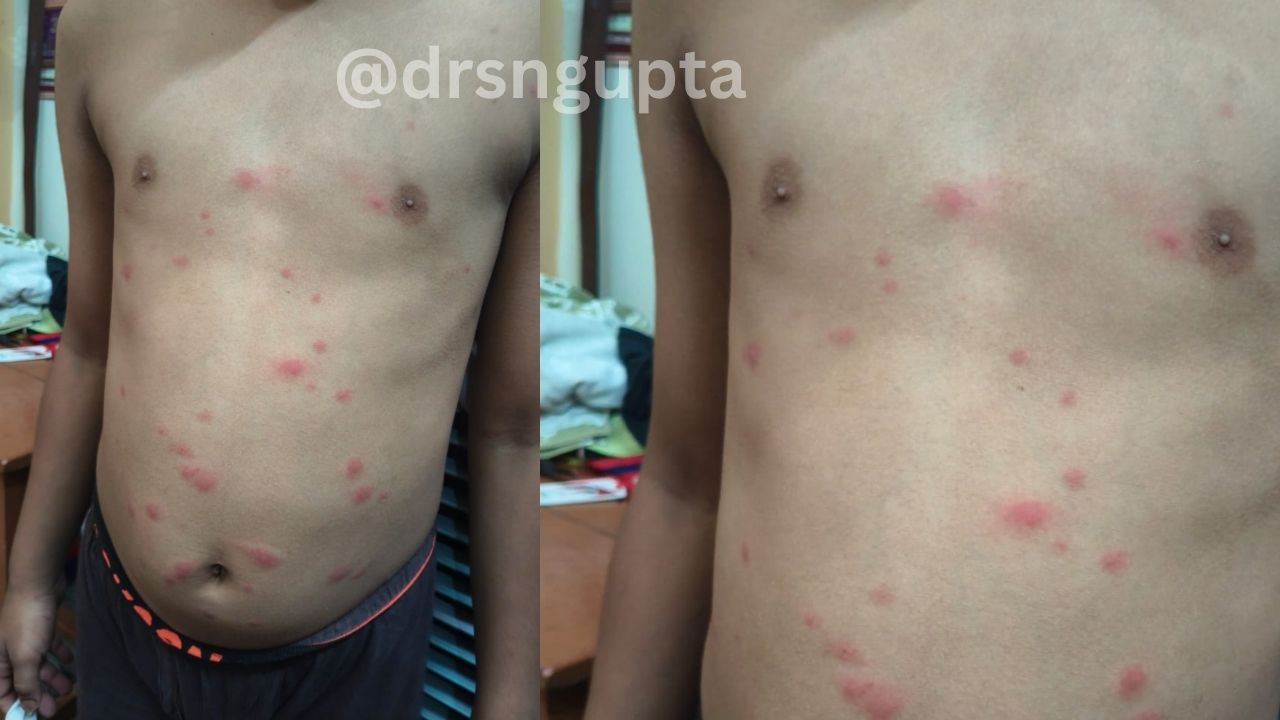
Urticaria is a skin reaction characterized by sudden, itchy, raised welts (wheals) that can appear anywhere on the body and often change shape or location within hours. The welts are typically red or skin‑colored, well‑defined, and blanch (turn white) when pressed. Urticaria may occur alone or with angioedema—deeper swelling of the lips, eyelids, hands, feet, or genitals—which can be serious if it affects the airway.
Acute vs. Chronic Urticaria
Doctors classify urticaria by duration:
- Acute urticaria: Episodes lasting less than 6 weeks, often triggered by an identifiable cause such as foods, medications, infections, or insect stings.
- Chronic urticaria: Wheals (with or without angioedema) occurring most days for more than 6 weeks. In many cases, no clear external trigger is found; this is called chronic spontaneous (idiopathic) urticaria and is frequently linked to autoimmune mechanisms.
What Causes Urticaria?
Urticaria happens when mast cells in the skin release histamine and other inflammatory mediators, causing small blood vessels to leak fluid into surrounding tissue. This can be triggered through immune or non‑immune pathways.
Common Triggers of Acute Urticaria
- Allergic reactions: Foods (nuts, shellfish, eggs, milk), medications (antibiotics, NSAIDs), insect stings, latex.
- Infections: Viral upper respiratory infections are especially common in children; bacterial and parasitic infections can also play a role.
- Physical stimuli: Pressure, cold, heat, sunlight, exercise, vibration.
- Medications: NSAIDs (ibuprofen, aspirin), opioids, ACE inhibitors (more linked to angioedema), radiocontrast dyes.
Common Causes of Chronic Urticaria
- Idiopathic/autoimmune: In up to 30–50% of chronic cases, autoantibodies activate mast cells via the IgE receptor.
- Physical (inducible) urticarias: Pressure, cold, heat, cholinergic (sweating/exercise), solar, vibratory.
- Associated conditions: Thyroid disease (Hashimoto’s, Graves’), other autoimmune disorders, rarely malignancy or chronic infections (e.g., H. pylori).
- Myth check: Chronic hives are rarely caused by ongoing food allergy. Elimination diets without medical guidance often fail and can lead to unnecessary restriction.
Symptoms and Red Flags
Typical urticaria symptoms include:
- Itchy, raised wheals that come and go, often migrating over hours.
- Swelling (angioedema) of lips, eyelids, hands, or feet.
- Flare‑ups linked to triggers like heat, stress, tight clothing, or infections.
Seek urgent care if you experience:
- Trouble breathing, throat tightness, wheezing, or voice changes.
- Swelling of the tongue or lips with dizziness or faintness .
- Painful hives lasting more than 48 hours, bruising, or fever (possible urticarial vasculitis or systemic illness).
What Is Dermographism (Dermatographia)?
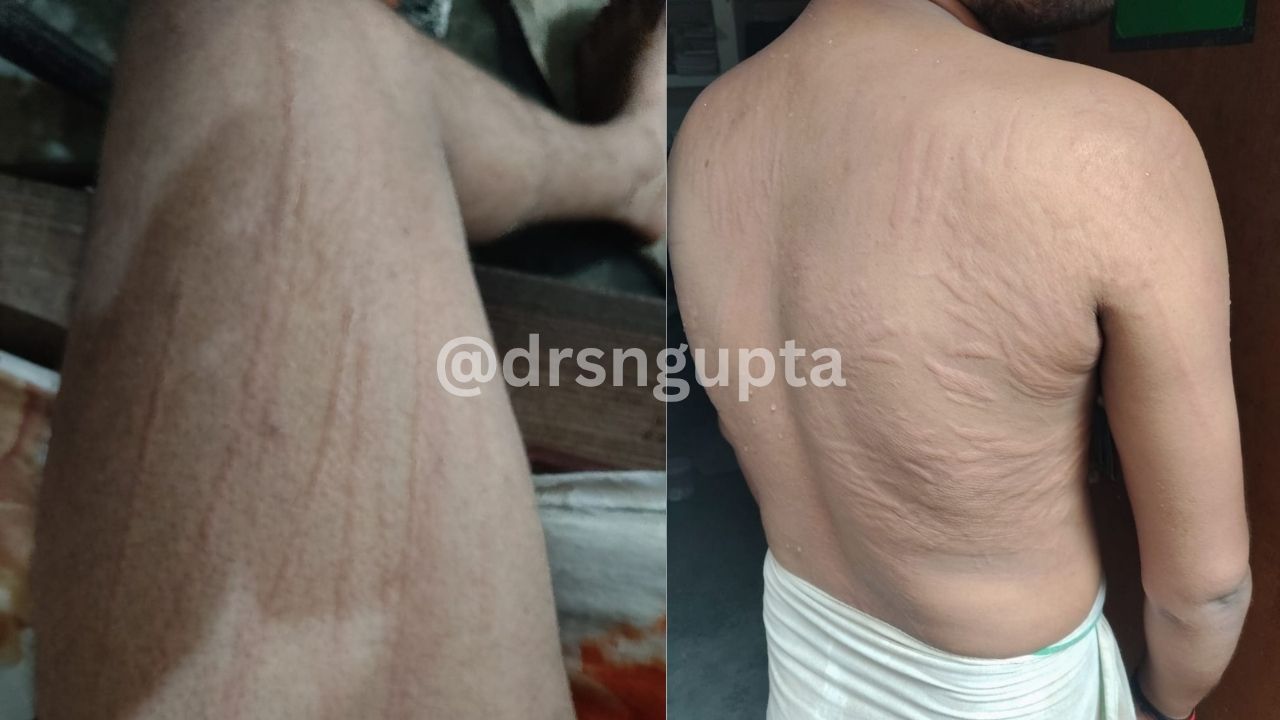
Dermographism—also spelled dermatographism and commonly called dermatographia or “skin writing”—is a type of physical (inducible) urticaria where light scratching, rubbing, or pressure on the skin produces raised, red, linear welts within minutes.
The name comes from Greek: dermo (skin) + graphism (writing). People with symptomatic dermographism can literally “write” on their skin by tracing letters with a fingernail.
How Common Is It?
Dermographism affects an estimated 2–5% of the population, most often teens and young adults. Many cases are asymptomatic (no itch or discomfort) and discovered incidentally.
Why Does Dermographism Happen?
Like other urticarias, dermographism involves mast cell degranulation in the dermis. Mechanical pressure appears to trigger a localized immune response, releasing histamine, leukotrienes, bradykinin, and neuropeptides (e.g., substance P).
This follows the triple response of Lewis:
- Local capillary dilation → red line.
- Arteriolar dilation → surrounding flare.
- Fluid leakage → raised wheal.
In dermographism, this response is exaggerated and lasts longer (typically 15–30 minutes).
Known Associations and Triggers
While the root cause is often unknown, dermographism is linked to:
- Atopy: Eczema, asthma, allergic rhinitis.
- Thyroid dysfunction: Hashimoto’s, Graves’ disease, and abnormal thyroid antibodies.
- Stress and hormonal shifts: Pregnancy, menstrual cycle changes, menopause.
- Medications: NSAIDs, some antibiotics (e.g., penicillin).
- Infections: H. pylori, parasitic infections in some chronic urticaria cases.
Common flare triggers include tight clothing, hot showers, vigorous towel‑drying, scratching due to dry skin, and emotional stress.
How Are Urticaria and Dermographism Diagnosed?
Diagnosis is primarily clinical, based on history and physical exam. There is no single definitive lab test for most urticarias.
Key Steps in Evaluation
- Detailed history: Onset, duration (< or > 6 weeks), potential triggers (foods, drugs, infections, physical stimuli), associated symptoms (angioedema, fever, joint pain).
- Physical exam: Appearance and distribution of wheals; provocation tests for physical urticarias.
- Dermographism test: A clinician firmly strokes the skin with a tongue depressor or fingernail; a raised, red line appearing within 5–10 minutes confirms dermographism.
When Are Tests Needed?
- Acute, isolated hives: Usually no testing unless anaphylaxis or severe reaction occurred.
- Chronic urticaria (>6 weeks): Basic labs may include CBC, ESR/CRP, TSH, and thyroid antibodies; further tests guided by symptoms (e.g., autoimmune panel, infection screening).
- Atypical features: Skin biopsy if lesions last >48 hours, are painful, leave bruising, or don’t blanch (to rule out urticarial vasculitis).
Treatment of Urticaria: What Works Best?
Treatment focuses on trigger avoidance, symptom control, and—when needed—advanced therapies for refractory disease.
Treatment of Dermographism: Practical, Effective Strategies
Most people with dermographism manage well with lifestyle changes and antihistamines.
Daily Management Tips
- Gentle skin care: Use lukewarm (not hot) water; pat dry instead of rubbing.
- Moisturize regularly: Fragrance‑free emollients reduce dryness‑related itch and scratching.
- Avoid friction: Wear loose, soft clothing; avoid tight straps, rough fabrics, and heavy backpacks.
- Stress management: Mindfulness, breathing exercises, and good sleep hygiene can reduce flare frequency.
Medications
- Non‑sedating antihistamines (same as for urticaria) are first‑line and often very effective when taken daily.
- In resistant cases, doctors may increase antihistamine doses or consider omalizumab, similar to chronic spontaneous urticaria.
- Note: Dermographism is usually benign and often improves or resolves over months to years, especially in younger patients.
Urticaria vs. Dermographism: Key Differences at a Glance
| Feature | Urticaria (General) | Dermographism (Dermatographia) |
|---|---|---|
| Definition | Itchy wheals ± angioedema from various triggers | Physical urticaria triggered by light pressure/scratching |
| Duration | Acute (<6 weeks) or chronic (>6 weeks) | Often chronic but can fluctuate; wheals last 15–30 min after stimulus |
| Triggers | Foods, drugs, infections, physical stimuli, autoimmune | Mechanical pressure, friction, tight clothing, heat, stress |
| Appearance | Round/irregular wheals anywhere on body | Linear, raised red lines exactly where skin was stroked |
| Diagnosis | Clinical; provocation tests for physical types | Clinical + positive “skin writing” test with tongue depressor |
| Treatment | Antihistamines, trigger avoidance, biologics if refractory | Same as urticaria; emphasis on reducing friction and irritation |
Outlook
- Acute urticaria often resolves once the trigger (e.g., infection, food, drug) is removed.
- Chronic urticaria may last months to years but often improves over time; many patients achieve good control with modern therapies.
- Dermographism is typically harmless and may fade spontaneously, especially with consistent antihistamine use and gentle skin habits.
Keeping a symptom diary (noting foods, medications, stress, exercise, temperature, clothing) can help identify patterns and guide your doctor’s recommendations.
FAQs: Urticaria and Dermographism
Q: Is urticaria contagious?
No. Hives are an immune/skin reaction, not an infection you can catch from someone else.
Q: Can stress cause hives or worsen dermographism?
Yes. Stress doesn’t “cause” urticaria by itself but can lower the threshold for mast cell activation and worsen existing conditions.
Q: Are hives a sign of a serious disease?
Usually not. Most cases are benign. However, hives with breathing trouble, throat swelling, or systemic symptoms need urgent evaluation.
Q: Can I outgrow dermographism?
Many people do. Symptoms often lessen over months to years, especially with trigger avoidance and treatment.
Q: Should I avoid all potential food triggers?
Not unless a specific food is clearly linked to your hives under medical guidance. Broad elimination diets are rarely helpful for chronic urticaria and can cause nutritional issues.
Final Takeaway
Urticaria and dermographism are common, manageable conditions rooted in mast cell activation and histamine release. With the right diagnosis, consistent use of non‑sedating antihistamines, smart trigger avoidance, and—when needed—advanced therapies like omalizumab, most people achieve excellent control and maintain a high quality of life.
If your hives or “skin writing” are frequent, severe, or affecting your daily life, talk to a doctor. Personalized care makes a significant difference—and you don’t have to live with constant itch and uncertainty.

Dr. S. N. Gupta is a renowned skin specialist and dermatologist in Prayagraj, with extensive experience in diagnosing and treating various skin, hair, nail and Sexually Transmitted Diseases conditions for last 28 years. Address Shree Balaji Medical Traffic Chauraha, Rajapur Prayagraj Mob 9415613743