
Book Appointment Now
Understanding Plantar Warts (Verruca Plantaris): Causes, Symptoms, and Advanced Treatment Pathways
Foot pain can instantly disrupt your daily routine, but when every step feels like you are walking on a sharp pebble, the culprit is often a stubborn skin lesion rather than a bone or joint issue. Among the most common foot complaints encountered in dermatology and podiatry clinics are plantar warts, medically known as verruca plantaris.
Developing on the soles of the feet, plantar warts are uniquely painful due to the pressure of body weight pushing them inward. Understanding what causes them, why they look and feel different from other warts, and how to safely eliminate them is key to restoring pain-free mobility.
What is a Plantar Wart?
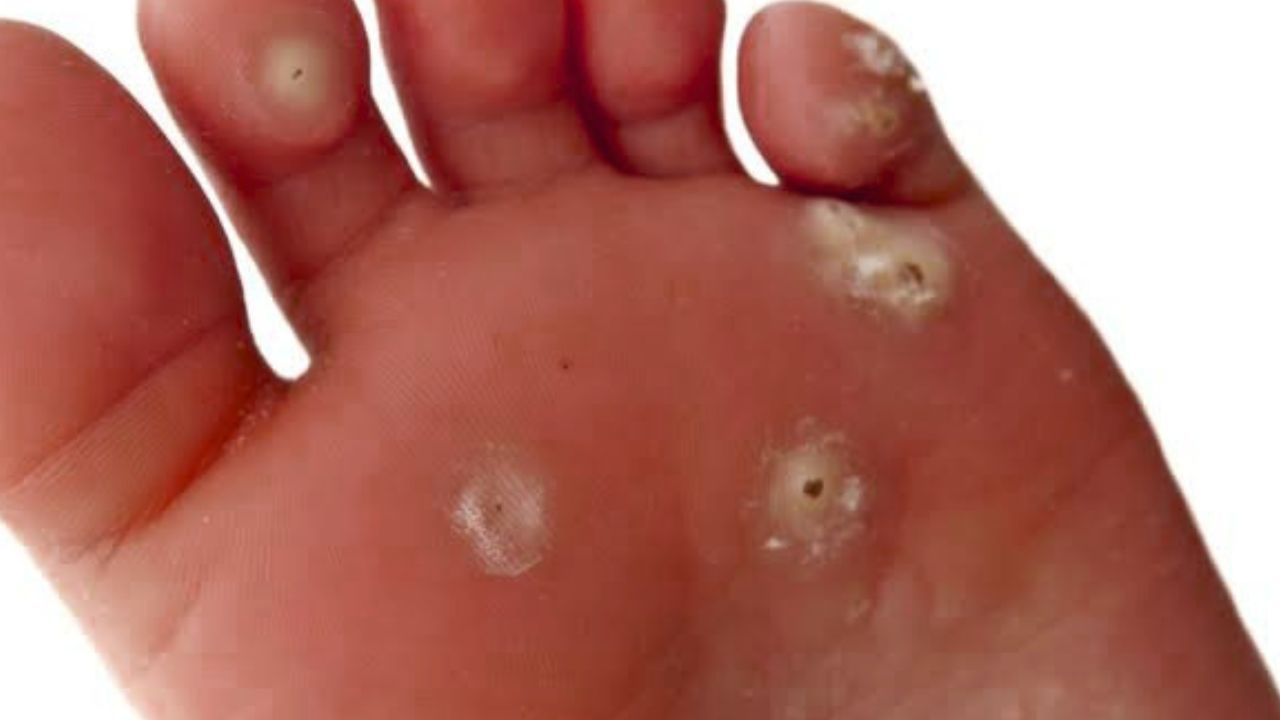
A plantar wart is a benign epithelial growth on the sole (plantar surface) of the foot, caused by an infection with the human papillomavirus (HPV)—most frequently HPV types 1, 2, 4, 60, and 63.
When these specific strains of the virus penetrate the skin through microscopic cracks, cuts, or weak spots in the barrier of the sole, they infect the basal keratinocytes. Instead of growing outward like common warts on the hands, plantar warts are compressed inward by the constant pressure of walking and standing, forming a hard, flat lesion covered by a tough layer of skin.
Clinical Characteristics and Unique Symptoms
Plantar warts possess distinct physical characteristics that separate them from corns, calluses, or other foot lesions. Recognizing these signs is essential for an accurate self-assessment:
- Location: They typically appear on weight-bearing areas of the foot, such as the heel, the ball of the foot, or beneath the base of the toes.
- The “Black Dots”: A hallmark diagnostic feature is the presence of tiny, dark pinpoints scattered across the center of the wart. These are not roots, as old myths suggest, but rather tiny, thrombosed (clotted) capillaries that feed blood to the growth.
- Disrupted Skin Lines: If you look closely at normal skin on your foot, you will see fine skin lines (dermatoglyphics). Over a plantar wart, these natural skin lines are interrupted and do not cross over the lesion.
- Pain on Pinching: Unlike calluses—which hurt when you press directly downward on them—plantar warts are typically most painful when squeezed or compressed from the sides.
- Myrmecia Warts: A specific subtype caused by HPV-1, known as myrmecia, can grow deeper, feel harder, and cause more intense, localized sharp pain resembling a needle prick with every step.
Transmission: How Do You Catch Plantar Warts?
HPV thrives in warm, moist, and humid environments. Plantar warts are notoriously contagious, spreading easily through indirect contact in public spaces:
- Communal Wet Areas: Walking barefoot around public swimming pools, locker rooms, gym showers, and hotel bathrooms significantly raises the risk of acquiring the virus.
- Micro-Abrasions: Skin that is water-logged (macerated) or compromised by tiny scrapes and cuts allows the HPV virus to enter the epithelial tissue much more easily.
- Auto-Inoculation: Scratching or picking at an active plantar wart can spread viral particles to other areas of the foot or to other parts of the body.
The Natural History: Do Plantar Warts Clear on Their Own?
Many patients wonder if treatment is strictly necessary or if they can simply wait out the infection.
- The Immune Response: Plantar warts are self-limited conditions for many individuals. Given enough time, the body’s cell-mediated immune system will eventually recognize the foreign HPV antigen and mount a defense, causing the wart to vanish spontaneously.
- The Timeline: In children, up to 50% of warts may clear within two years without intervention. However, plantar warts in adults are notoriously stubborn, frequently persist for years, and can multiply if left unchecked.
Because the soles of the feet endure immense mechanical pressure, untreated plantar warts often become progressively painful, altering your natural gait and leading to secondary knee, hip, or lower back discomfort.
Professional Medical Treatments
While countless over-the-counter salicylic acid patches and freezing sprays line pharmacy shelves, stubborn plantar warts often require professional dermatological intervention. Because the skin on the soles of the feet is thick and calloused, at-home treatments frequently fail to reach the deep viral core.
Dermatologists utilize several advanced, clinical-grade treatment protocols:
1. Prescription-Strength Keratolytics and Salicylic Acid
Clinicians may prescribe high-concentration salicylic acid formulations combined with occlusive dressings. This forces the thick outer layers of dead, infected keratinocytes to peel away rapidly layer by layer, stimulating local immune activation.
2. Cryotherapy (Liquid Nitrogen)
Applying liquid nitrogen directly to the plantar wart freezes the infected cells. Because plantar warts are deep, aggressive cryotherapy may be used, sometimes preceded by paring (shaving down the dead surface callus with a sterile scalpel) to ensure the freezing temperature penetrates the viral base. This creates a painful blister that lifts the wart out as it heals.
3. Cantharidin (“Beetle Juice”)
A specialized, plant-derived blistering agent applied by a clinician. Cantharidin forms a microscopic blister underneath the plantar wart, safely lifting the lesion off the underlying dermis without the need for deep freezing.
4. Immunotherapy and Laser Destruction
- Candida Antigen Injections: Injecting a harmless yeast antigen directly into the wart stimulates a vigorous immune reaction, waking up the body’s T-cells to attack the HPV virus globally across the foot.
- Pulsed Dye Laser (PDL) or CO2 Laser: Laser energy targets and destroys the tiny blood vessels supplying the wart, starving the lesion of oxygen and causing it to wither and shed.
Prevention and Daily Foot Care
Protecting your feet from acquiring or spreading plantar warts requires consistent hygienic habits:
- Never Go Barefoot in Public: Always wear sandals, flip-flops, or water shoes when walking around public pools, gym locker rooms, or hotel floors.
- Keep Feet Dry and Clean: Wash your feet daily with soap and water, and dry them thoroughly—especially between the toes.
- Do Not Pick or Scratch: Avoid cutting, shaving, or picking at plantar warts with unsterilized tools at home, as this spreads the virus and invites dangerous bacterial infections.
- Change Socks Regularly: Wear clean, moisture-wicking socks daily, and allow your shoes to dry out completely between wears.
Mechanics of plantar warts
Plantar warts can turn an ordinary walk into a painful ordeal, but they are entirely manageable with the right combination of patience and professional care. Whether you choose watchful waiting or visit a board-certified dermatologist for targeted cryotherapy, paring, or immunotherapy, understanding the viral mechanics of plantar warts empowers you to step forward with comfort and confidence.

Dr. S. N. Gupta is a renowned skin specialist and dermatologist in Prayagraj, with extensive experience in diagnosing and treating various skin, hair, nail and Sexually Transmitted Diseases conditions for last 28 years. Address Shree Balaji Medical Traffic Chauraha, Rajapur Prayagraj Mob 9415613743