Book Appointment Now
Demystifying Venereal Warts (Condyloma Acuminata): Causes, Symptoms, and Modern Clinical Solutions
Venereal warts—clinically referred to as condyloma acuminata or genital warts—are among the most common sexually transmitted infections (STIs) worldwide. Despite how frequently they occur, diagnosis can often evoke feelings of anxiety, confusion, and shame due to lingering social stigmas.
In reality, venereal warts are a highly manageable, non-cancerous physical manifestation of a localized viral infection. Understanding the underlying human papillomavirus (HPV) strains, recognizing symptoms, and exploring advanced medical treatments empowers individuals to seek medical care with clarity and confidence.
What Are Venereal Warts?
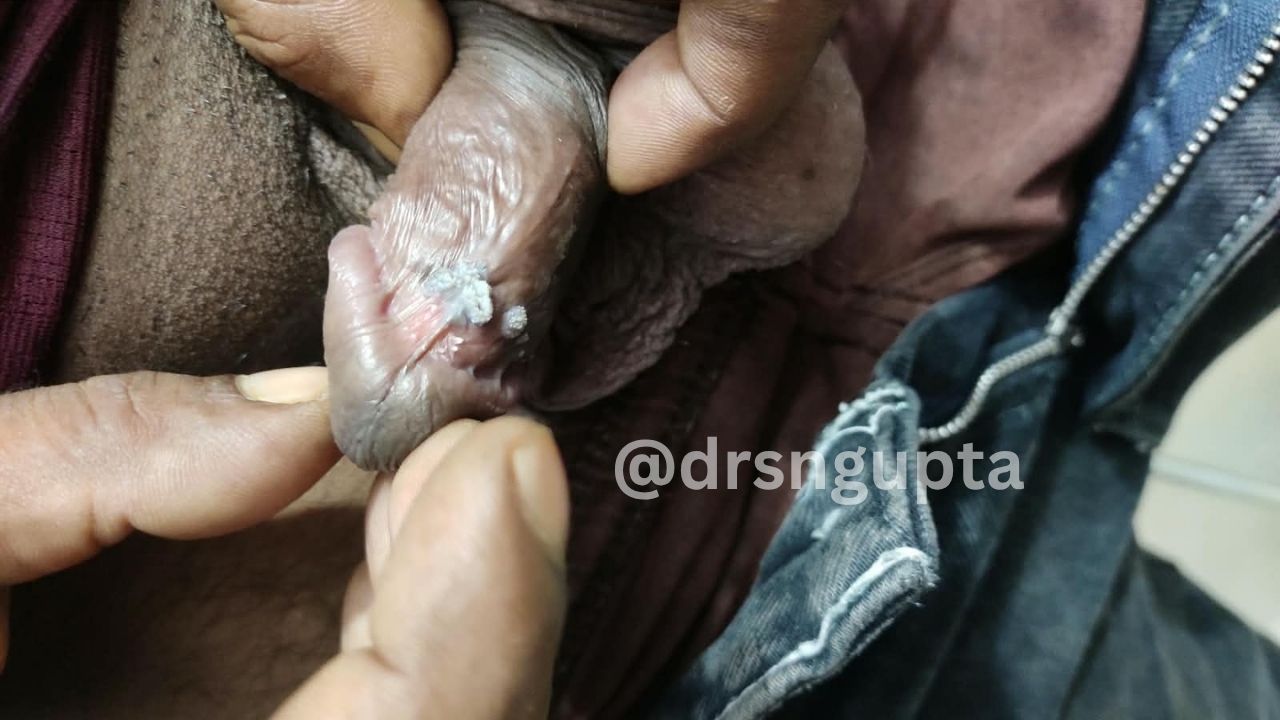
Venereal warts are benign, epidermal growths caused by infection with specific strains of the Human Papillomavirus (HPV). HPV comprises a vast family of over 200 related viruses, but genital warts are specifically linked to “low-risk” non-oncogenic strains—primarily HPV Types 6 and 11, which account for approximately 90% of all condyloma acuminata cases.
It is important to distinguish these low-risk strains from “high-risk” HPV strains (such as types 16 and 18). While high-risk strains are associated with cellular dysplasias and cervical, anal, or throat cancers, the low-risk strains that cause venereal warts rarely lead to malignancy.
Biological Transmission Pathways
The virus spreads primarily through direct, skin-to-skin contact during sexual activity (vaginal, anal, or oral).
- Micro-Abrasions: Friction during physical intimacy creates microscopic tears in the epithelial layer of the skin or mucosal surfaces, providing an entry point for the virus to infect basal keratinocytes.
- Asymptomatic Shedding: An individual can transmit HPV even when no visible warts are present on their skin, as the virus can shed invisibly from infected epidermal layers.
- Incubation Period: Following initial exposure, the incubation period can range from a few weeks to several months—and in some cases, years—making it difficult to pin down exactly when the infection was acquired.
Symptoms and Clinical Presentation
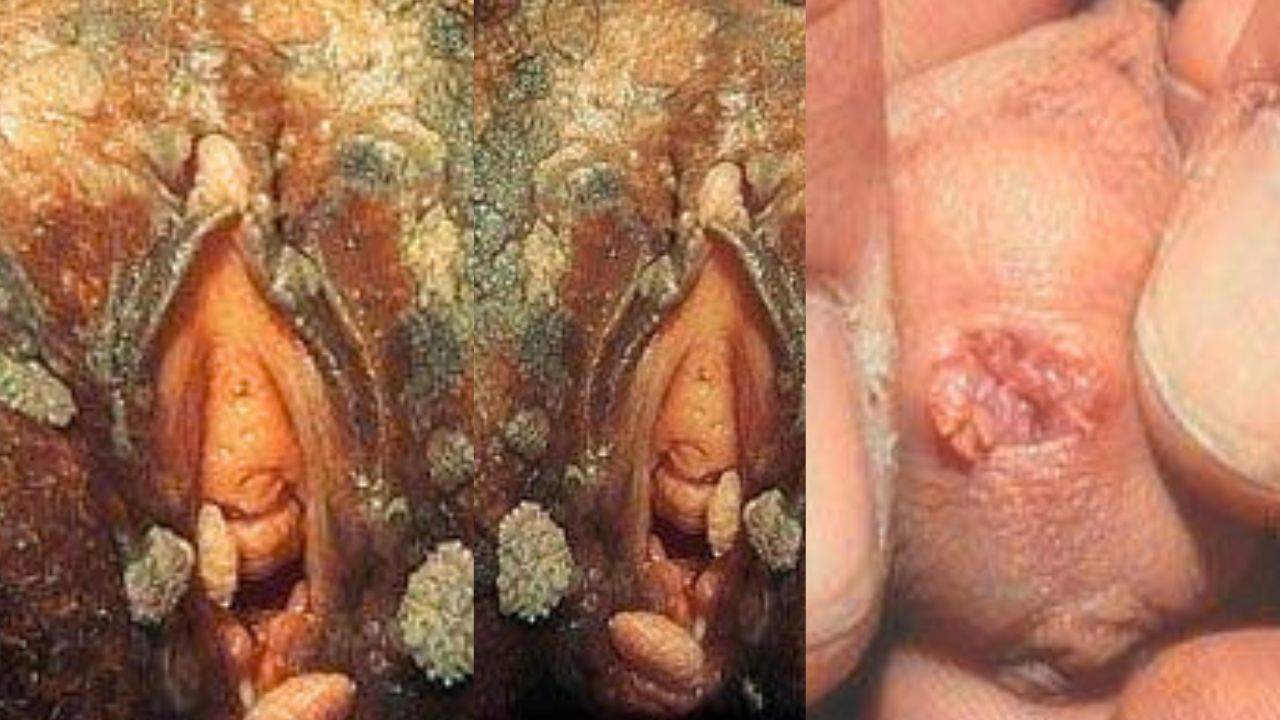
Venereal warts can vary significantly in shape, size, color, and texture depending on their location and the individual’s immune response.
Key Visual and Physical Characteristics
- Appearance: They can present as small, smooth bumps or as larger, raised, cauliflower-like clusters (condylomatous lesions).
- Texture: Lesions can feel soft, firm, smooth, or slightly rough to the touch.
- Coloration: Colors range from flesh-colored, pink, and red to light brown or hyperpigmented shades that stand out against surrounding tissue.
- Sensation: While venereal warts are often completely painless, they can cause localized itching, burning, tenderness, or minor bleeding during friction or sexual intercourse.
Common Anatomical Locations
| Sex / Body Region | Typical Locations for Venereal Warts |
| Women | Vulva, labia minora/majora, vaginal canal, cervix, perineum, and around the anus. |
| Men | Shaft or tip of the penis, foreskin, scrotum, groin, and anal area. |
| All Individuals | Perianal region, anal canal, inner thighs, and occasionally the lips, tongue, or mouth following oral exposure. |
Diagnosis and Clinical Evaluation
Diagnosing condyloma acuminata is typically straightforward and accomplished during a clinical examination by a board-certified dermatologist, gynecologist, or urologist.
- Visual Inspection: Clinicians can easily identify characteristic lesions through visual examination under good lighting.
- Dermoscopy: Utilizing a high-powered magnified hand lens to evaluate micro-vascular patterns (such as dotted or loop vessels) within the lesions.
- Biopsy: Rarely needed, but a small punch biopsy may be performed if the lesions are atypical, pigmented, firm, ulcerated, or fail to respond to standard therapies to rule out dysplasia or malignant transformation.
Modern Treatment Options for Venereal Warts
While there is currently no cure that eliminates the underlying HPV virus from the body completely, modern medicine offers highly effective ways to clear visible warts, reduce symptoms, and lower transmission risks.
Treatments fall into two primary categories: patient-applied topicals and physician-administered procedural therapies.
1. Patient-Applied Topical Therapies
For accessible, external lesions, a physician may prescribe creams or solutions to apply at home:
- Imiquimod (5% or 3.75% Cream): An immune response modifier that stimulates local production of interferons and cytokines, prompting the body’s own immune system to fight off the viral lesions.
- Podofilox (0.5% Solution or Gel): A plant-derived antimitotic agent that destroys wart tissue by arresting cellular division within infected epidermal cells.
- Sinecatechins (15% Ointment): A botanical extract derived from green tea leaves with anti-viral and antioxidant properties cleared for external genital and perianal warts.
2. In-Office Procedural Options
When lesions are extensive, recalcitrant, or located on internal mucosal membranes (like the vaginal or anal canal), in-office procedures provide faster clearance:
- Cryotherapy: Using liquid nitrogen to freeze and destroy individual lesions. As the tissue heals over 1 to 2 weeks, the dead wart sloughs off.
- Electrodessication and Excision: Delivering a mild electrical current to cauterize and destroy the wart tissue, often accompanied by surgical curettage for rapid clearance of bulky clusters.
- Laser Therapy (CO2 or Pulsed Dye): Precision light energy targets and vaporizes infected tissue or starves the wart by destroying its micro-vascular blood supply.
- Trichloroacetic Acid (TCA): A chemical agent applied directly by a clinician to break down the proteins within the wart tissue.
HPV Vaccination and Long-Term Prevention
The most effective line of defense against venereal warts is primary prevention through vaccination.
- Gardasil 9: This 9-valent HPV vaccine protects against nine distinct HPV strains, including Types 6 and 11 (responsible for the vast majority of venereal warts) as well as high-risk oncogenic strains (Types 16, 18, 31, 33, 45, 52, and 58).
- Vaccination Guidance: Health authorities recommend routine vaccination for pre-teens (ages 11–12), though it is approved and beneficial for individuals through age 45 who have not been previously vaccinated.
- Safe Practices: Consistent and correct condom use significantly reduces—though does not completely eliminate—the risk of transmitting or acquiring HPV, as the virus can infect areas not covered by a condom.
Psychological Well-Being and Managing Expectations
A diagnosis of venereal warts can be emotionally challenging, but it is important to remember that HPV is extremely common among sexually active adults.
- Immune Control: In most healthy individuals, the immune system eventually controls the virus over time, significantly reducing the frequency of outbreaks or eliminating visible lesions permanently.
- Open Communication: Honest communication with romantic partners helps clear up myths, lower anxiety, and promote shared choices around vaccination and barrier methods.
Conclusion
Venereal warts are a common, highly manageable medical condition. Driven by low-risk strains of HPV, they do not define your health or future. By seeking timely evaluation from a healthcare professional, exploring tailored topical or procedural treatments, and encouraging HPV vaccination, individuals can clear visible lesions and manage their overall reproductive health with peace of mind.
SEO Metadata & Tags
- Meta Title: Venereal Warts (Condyloma Acuminata): Causes & Treatments
- Meta Description: Comprehensive guide to venereal warts (condyloma acuminata). Learn about low-risk HPV strains 6 & 11, symptoms, cryotherapy, and prevention tips.
- Target Keywords: venereal warts, condyloma acuminata, genital warts, HPV strains 6 and 11, genital wart removal, imiquimod cream, cryotherapy for warts.
#VenerealWarts #CondylomaAcuminata #GenitalWarts #SexualHealth #Dermatology #HPVVaccine #MedicalEducation

Dr. S. N. Gupta is a renowned skin specialist and dermatologist in Prayagraj, with extensive experience in diagnosing and treating various skin, hair, nail and Sexually Transmitted Diseases conditions for last 28 years. Address Shree Balaji Medical Traffic Chauraha, Rajapur Prayagraj Mob 9415613743