Book Appointment Now
Understanding Alopecia Areata: Causes, Symptoms, and Modern Medical Breakthroughs
Alopecia Areata Guide: Causes, Symptoms & New JAK Inhibitors
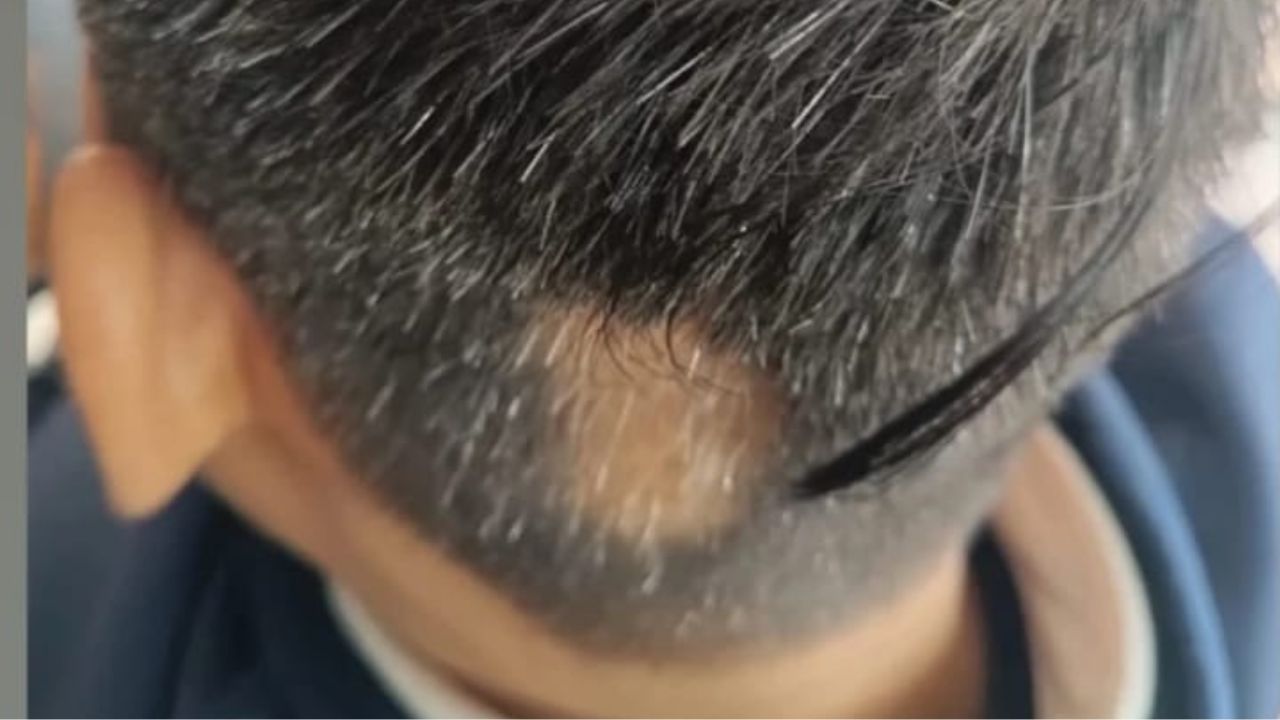
Alopecia areata is far more than just a cosmetic concern; it is a complex, chronic autoimmune disorder that transforms lives overnight.For millions of people worldwide, looking in the mirror can suddenly reveal smooth, coin-sized bald patches—or in more extreme forms, total loss of scalp and body hair.
Navigating this condition requires looking past the surface. Understanding the underlying biology, recognizing the psychological impact, and exploring breakthrough therapies can help patients reclaim control.
What is Alopecia Areata?
At its core, alopecia areata is an autoimmune disease.The body’s immune system—which is normally responsible for defending against foreign invaders like viruses and bacteria—mistakenly identifies hair follicles as threats.
White blood cells attack the cells in the hair follicles (known as the anagen hair bulbs), forcing them into a premature resting phase. The result is rapid hair shedding.Crucially, the stem cells that produce hair are usually not destroyed, meaning the follicles remain alive and capable of regrowing hair if the immune attack can be halted.
Key Clinical Classifications
- Alopecia Areata Patches (Limited):The most common form, characterized by one or more round or oval bald patches on the scalp or other hair-bearing regions.
- Alopecia Totalis:Results in the complete loss of all hair on the scalp.
- Alopecia Universalis:The most extensive form, involving the complete loss of hair across the entire scalp, face (including eyebrows and eyelashes), and body.
- Ophiasis: A distinct pattern where hair loss forms a band-like shape around the sides and lower back of the scalp.
Symptoms and Early Warning Signs
The onset of alopecia areata is typically sudden and unpredictable. Patients often notice clumps of hair on their pillows, in the shower drain, or discover smooth bald patches overnight.
- The “Exclamation Mark” Hair: Around the edges of expanding bald patches, doctors often look for short, broken hairs that grow narrower near the scalp, resembling exclamation marks ($\text{!}$ znak).
- Nail Changes: Up to 20% of people with alopecia areata experience changes to their fingernails and toenails, including pitting (tiny dents), splitting, rough textures, or white spots.
- Tingling or Sensitivities: Some individuals report a mild burning, itching, or tingling sensation in the affected areas shortly before hair loss occurs.
The Root Causes and Triggers
While the precise genetic and environmental triggers are still being researched, medical science has identified key contributors:
- Genetic Predisposition: Approximately 10% to 20% of individuals with alopecia areata have a family history of the condition or other autoimmune diseases, such as thyroid disorders, vitiligo, or type 1 diabetes.
- Immune System Dysregulation: A breakdown in “immune privilege” allows T-cells to infiltrate hair follicles that are normally shielded from immune surveillance.
- Environmental Stressors: While stress does not directly cause alopecia areata, severe emotional trauma, physical illness, or systemic shock can act as a catalyst, waking up dormant genetic predispositions.
Modern Medical Breakthroughs: The JAK Inhibitor Revolution
For decades, treatment options for extensive alopecia areata were limited to topical or intralesional corticosteroids, minoxidil, and broad-spectrum immunosuppressants with mixed success rates. However, modern dermatology has entered a golden era with the advent of Janus kinase (JAK) inhibitors.
JAK inhibitors target the specific intracellular signaling pathways (JAK-STAT) driven by inflammatory cytokines that signal the immune system to attack hair follicles.
FDA-Approved and Emerging Options
- Baricitinib (Olumiant):A once-daily oral tablet approved for adults with severe alopecia areata, demonstrating significant scalp, eyebrow, and eyelash regrowth in clinical trials over extended treatment periods.
- Ritlecitinib (Litfulo):An oral treatment approved for adults and adolescents aged 12 and older, offering a vital targeted option for younger demographics experiencing severe forms of the disease.
- Deuruxolitinib (Leqselvi):A twice-daily oral therapy approved for adult patients experiencing significant scalp hair loss.
Important Consideration: JAK inhibitors are treatments, not cures.Clinical data indicates that if a patient discontinues the medication, the immune system may resume its attack, resulting in recurrent hair shedding.Long-term management requires close collaboration with a dermatologist to balance efficacy with routine safety monitoring (such as blood tests).
Traditional and Localized Therapies
For milder or localized presentations of alopecia areata, dermatologists often rely on targeted localized therapies:
- Corticosteroid Injections:Small amounts of sterile corticosteroids are injected directly into the bald patches every 4 to 6 weeks. This reduces local inflammation and can stimulate localized hair regrowth within two to four months.
- Topical Immunotherapy: For extensive chronic cases unresponsive to other methods, substances like squaric acid dibutyl ester (SADBE) or diphenylcyclopropenone (DPCP) are applied to the scalp to induce a controlled allergic contact dermatitis, which can successfully “distract” the immune system from attacking hair follicles.
- Topical Minoxidil: Often used adjunctively to support and speed up hair shaft growth cycles alongside primary immune-modulating treatments.
Coping with the Psychological Impact
Hair is deeply intertwined with personal identity, self-esteem, and social expression. Losing it can trigger profound psychological distress, including anxiety, clinical depression, and social isolation.
- Join Support Networks: Organizations like the National Alopecia Areata Foundation (NAAF) or Alopecia UK offer invaluable community spaces, educational resources, and mentorship.
- Explore Cosmetic Solutions: Modern advancements in custom human-hair wigs, scalp micropigmentation, and semi-permanent eyebrow tattoos provide versatile options for individuals choosing to alter or enhance their daily look.
- Prioritize Mental Health: Cognitive Behavioral Therapy (CBT) and counseling can help individuals process the emotional weight of a chronic, visible condition.
JAK inhibitors
Alopecia areata remains an unpredictable journey, but medical science has shifted the horizon of hope. With targeted therapies like JAK inhibitors rewriting what is possible for severe cases—coupled with growing social awareness and empathetic medical communities—living with alopecia areata is met with more resources, understanding, and medical firepower than ever before.
Whether choosing active medical treatment or embracing a bald identity, the most important truth remains: alopecia areata changes how you look, but it does not define who you are.

Dr. S. N. Gupta is a renowned skin specialist and dermatologist in Prayagraj, with extensive experience in diagnosing and treating various skin, hair, nail and Sexually Transmitted Diseases conditions for last 28 years. Address Shree Balaji Medical Traffic Chauraha, Rajapur Prayagraj Mob 9415613743