
Book Appointment Now
The Liver-Skin Axis: How Gut and Hepatic Health Reflect on Your Skin
When stubborn acne, persistent eczema, or adult-onset rosacea refuse to respond to topical creams, washes, and serums, the root cause is frequently overlooked. Modern dermatology is increasingly looking inward—specifically toward the liver.
Often called the body’s chemical processing plant, the liver performs over 500 vital functions, including filtering toxins, regulating hormones, and processing nutrients. When this organ becomes overworked, inflamed, or sluggish, the burden often spills over onto the body’s largest external organ: the skin.
Understanding the profound connection between liver health and skin disease can transform your approach to skincare, shifting it from a superficial routine into a truly holistic health strategy.
What Is the Liver-Skin Connection?
To understand how hepatic function affects your complexion, it helps to view the skin as an excretory organ and an early warning system.
The skin is part of the body’s elimination network, working alongside the kidneys, lungs, and colon. When the liver cannot effectively process and eliminate metabolic waste, environmental toxins, and excess hormones, the body looks for alternative exit routes.
- The Detoxification Pathway: The liver processes toxins in two phases. Phase I breaks down toxins into intermediate compounds, and Phase II neutralizes them into water-soluble molecules that can be safely excreted via urine or bile. If Phase II lags behind Phase I, these toxic intermediates circulate in the bloodstream, triggering systemic inflammation that frequently manifests on the skin.
- The Circulatory Bridge: A rich network of capillaries connects your internal organs directly to your skin. When blood is loaded with inflammatory cytokines, reactive oxygen species, and unfiltered waste, cutaneous tissues bear the brunt of the damage.
Common Dermatological Manifestations of Liver Dysfunction
Different types of liver stress often signal their presence through distinct patterns on the skin. Recognizing these signs can lead to early detection of underlying hepatic issues.
1. Chronic Acne and Adult Breakouts
While teen acne is largely driven by surging androgen hormones, adult acne—particularly along the jawline, chin, and neck—is frequently linked to sluggish liver detoxification.
- The Mechanism: When the liver struggles to metabolize excess circulating estrogen, progesterone, or cortisol, the body stimulates sebum production. Simultaneously, unneutralized toxins can irritate the skin barrier and alter the skin microbiome, creating an ideal breeding ground for acne-causing bacteria.
2. Eczema and Atopic Dermatitis
Eczema is characterized by dry, itchy, inflamed patches of skin. Clinically, many patients with chronic, treatment-resistant eczema show signs of impaired biliary excretion or mild liver congestion.
- The Mechanism: Bile acids and toxins that should be cleared through the digestive tract back up into the bloodstream when the liver or gallbladder is sluggish. These circulating pruritogens (itch-inducing substances) deposit in the skin, causing severe irritation and compromising the skin’s lipid barrier.
3. Psoriasis and Systemic Inflammation
Psoriasis is an autoimmune condition marked by rapid skin cell turnover, leading to silvery, scaly plaques. There is a well-documented epidemiological link between psoriasis and non-alcoholic fatty liver disease (NAFLD).
- The Mechanism: Systemic inflammation driven by metabolic dysfunction in the liver increases tumor necrosis factor-alpha (TNF-alpha) and other inflammatory markers. These chemicals accelerate keratinocyte proliferation in the epidermis, fueling psoriatic flare-ups.
4. Rosacea and Liver Heat
Traditional medical systems—including Ayurveda and Traditional Chinese Medicine (TCM)—have long associated facial redness and flushing (rosacea) with “liver heat” or toxicity.
- The Mechanism: Modern science supports this view through the lens of microvascular dilation and gut-liver axis dysfunction. When the liver is burdened, digestive secretions change, often leading to small intestinal bacterial overgrowth (SIBO), which in turn releases inflammatory endotoxins that dilate facial blood vessels.
5. Advanced Signs of Liver Disease
Severe, acute, or chronic liver failures present with unmistakable dermatological markers that require immediate medical attention:
- Jaundice: A yellowing of the skin and the whites of the eyes caused by a buildup of bilirubin, a pigment produced by the breakdown of red blood cells that a failing liver cannot process.
- Pruritus (Severe Itching): Generalized, unrelenting itching without a rash, typical of cholestasis (reduced or blocked bile flow).
- Spider Angiomas: Tiny, spider-like clusters of dilated blood vessels just beneath the surface of the skin, caused by elevated estrogen levels that a cirrhotic liver can no longer clear.
- Palmar Erythema: Persistent redness on the palms of the hands.
Key Liver Conditions That Impact the Skin
Several prevalent liver disorders share a direct pathway to cutaneous inflammation:
Non-Alcoholic Fatty Liver Disease (NAFLD)
NAFLD occurs when excess fat builds up in liver cells unrelated to heavy alcohol use. It is closely tied to metabolic syndrome, insulin resistance, and obesity.
- The Skin Connection: Insulin resistance thickens the skin (acanthosis nigricans) and supercharges sebum production. Furthermore, the chronic low-grade systemic inflammation of NAFLD degrades collagen and elastin fibers, accelerating skin aging and worsening inflammatory skin conditions like acne and psoriasis.
Hepatitis (B and C)
Viral hepatitis infections frequently present with extrahepatic manifestations—symptoms occurring outside the liver.
- The Skin Connection: Chronic Hepatitis C is strongly associated with porphyria cutanea tarda (PCT), a condition causing blistering lesions and fragile skin on sun-exposed areas, as well as lichen planus, characterized by itchy, purplish bumps on the wrists and ankles.
Hemochromatosis
An inherited disorder causing the body to absorb too much iron from food, leading to toxic accumulation in organs, including the liver and skin.
- The Connection: Excess iron deposits in the skin can stimulate melanin production, giving the skin a distinct grayish-bronze tint, often referred to as “bronze diabetes.”
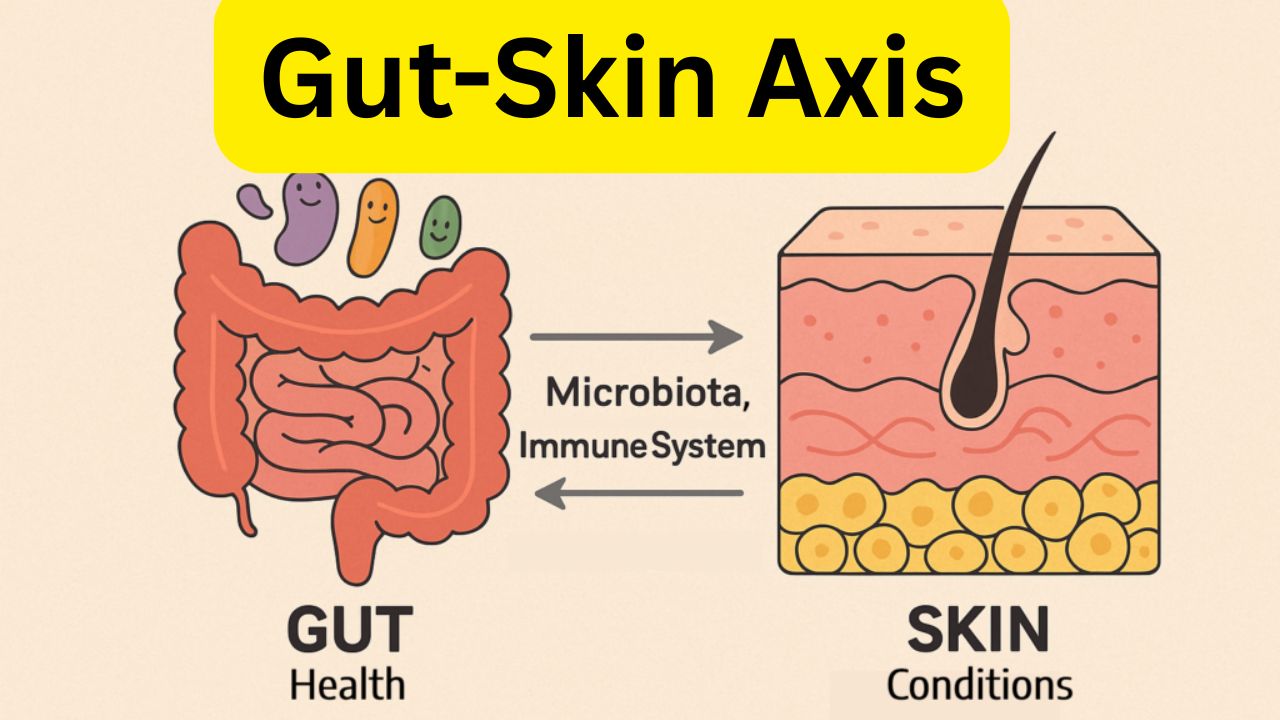
The Gut-Liver-Skin Axis
To truly heal the skin via the liver, we must also examine the gut. The gut and the liver are intimately connected via the portal vein, a major blood vessel that delivers nutrient-rich (and toxin-rich) blood straight from the intestines to the liver.
- Intestinal Permeability (“Leaky Gut”): If the gut lining is compromised due to poor diet, stress, or dysbiosis, undigested food particles, bacterial endotoxins (lipopolysaccharides or LPS), and pathogens leak directly into the portal vein.
- Liver Overload: The liver must work overtime to filter these constant influxes of gut-derived endotoxins. This leads to Kupffer cell activation (liver immune cells) and chronic hepatic inflammation.
- Cutaneous Fallout: The overflow of systemic inflammation bypasses the filtered pathways and settles in peripheral tissues like the skin, manifesting as acne, redness, or sensitivity.
Actionable Strategies to Support Liver and Skin Health
Healing your skin from the inside out requires nurturing your liver’s natural detoxification pathways and reducing systemic inflammation. Here is a science-backed roadmap to restoring hepatic and cutaneous vitality:
1. Optimize Your Diet for Liver Detoxification
Your liver relies on specific macro- and micronutrients to fuel Phase I and Phase II detoxification pathways.
- Cruciferous Vegetables: Broccoli, cauliflower, Brussels sprouts, and kale contain glucosinolates, which stimulate liver enzymes responsible for neutralizing carcinogens and heavy metals.
- Allium Family: Garlic, onions, and leeks are rich in sulfur compounds, essential for glutathione production—the body’s master antioxidant and a key player in Phase II liver detox.
- Healthy Fats: Extra virgin olive oil, avocados, and wild-caught salmon reduce liver fat accumulation (combating NAFLD) and supply omega-3 fatty acids that soothe skin inflammation.
- Limit Sugar and Refined Carbs: Excess fructose and high-glycemic carbohydrates are converted by the liver into fat, driving NAFLD and insulin-spiked sebum production.
2. Prioritize Hydration and Herbal Support
- Water: Adequate hydration is non-negotiable. It allows the kidneys and liver to flush water-soluble waste efficiently without straining the skin.
- Milk Thistle (Silymarin): This well-researched herb helps protect liver cells from toxin damage, stimulates protein synthesis, and encourages the regeneration of liver tissue.
- Dandelion Root Tea: A traditional bitter herb that stimulates bile production, aiding the liver in clearing metabolic waste and supporting smoother digestion.
- Turmeric (Curcumin): A powerful anti-inflammatory agent that protects liver cells and reduces the systemic inflammatory cascades responsible for eczema and psoriasis flare-ups.
3. Reduce the Toxic Burden
Lighten your liver’s daily workload by minimizing unnecessary chemical exposures:
- Cut Back on Alcohol: Alcohol is metabolized primarily by the liver, producing acetaldehyde—a toxic byproduct that generates immense oxidative stress for both hepatic and skin cells.
- Clean Up Your Personal Care Products: Many conventional cosmetics, shampoos, and lotions contain endocrine disruptors (phthalates, parabens) that mimic hormones, forcing the liver to process synthetic compounds it was never designed to handle.
- Mind Medication Use: Over-the-counter painkillers like acetaminophen (paracetamol) are processed by the liver. Consult your doctor before taking chronic medications to ensure they are liver-safe.
4. Support Microbiome Balance
Because of the gut-liver axis, nurturing your digestive tract is synonymous with supporting your liver and skin.
- Incorporate fermented foods like kimchi, sauerkraut, kefir, and yogurt into your diet to populate your gut with beneficial bacteria.
- Consume prebiotic fibers (garlic, onions, asparagus, oats) to feed your microbiome and strengthen the intestinal barrier, preventing endotoxins from reaching your liver in the first place.
When to See a Professional
While dietary and lifestyle adjustments can dramatically improve mild, nutrition-related skin and liver stress, persistent symptoms require medical evaluation.
Consult a gastroenterologist, dermatologist, or functional medicine practitioner if you experience:
- Unexplained, persistent jaundice (yellowing skin/eyes).
- Chronic, severe itching that does not respond to moisturizers or antihistamines.
- Pain or swelling in the upper right quadrant of your abdomen.
- Sudden, severe skin rashes accompanied by fatigue, dark urine, or pale stools.
- Skin conditions that stubbornly fail to respond to standard topical dermatological treatments.
Conclusion
Clear, radiant skin is rarely the result of a lucky genetic lottery alone; it is a visible biomarker of internal harmony. When you view your skin as a mirror of your internal health, the path to healing becomes clear. By supporting your liver through nutrient-dense foods, targeted herbal allies, hydration, and toxin reduction, you relieve the burden on your body’s primary filtration system.
The reward? Not just a healthier liver and improved longevity, but a calm, clear, and naturally glowing complexion that no topical serum could ever replicate.

Dr. S. N. Gupta is a renowned skin specialist and dermatologist in Prayagraj, with extensive experience in diagnosing and treating various skin, hair, nail and Sexually Transmitted Diseases conditions for last 28 years. Address Shree Balaji Medical Traffic Chauraha, Rajapur Prayagraj Mob 9415613743